Launched in 2014, PhotoSparksis a weekly feature from YourStory,with photographs that celebrate the spirit of creativity and innovation. In the earlier 980 posts, we featured an art festival,cartoon gallery.world music festival, telecom expo, millets fair,climate change expo,wildlife conference,startup festival,Diwali rangoli,and jazz festival.
Mumbai’s Tao Art Gallery has emerged as a popular destination for art lovers, collectors, students, and curious first-timers alike. It has built a reputation for thoughtful curation, inclusive exhibitions, and educational outreach (see our coverage its earlier exhibitions here).
The gallery actively contributes to strengthening Mumbai’s cultural fabric as well as the broader Indian art market. Its exhibitions often feature multiple artistic languages resonating together, amplifying dialogues that reflect cultural and social shifts.
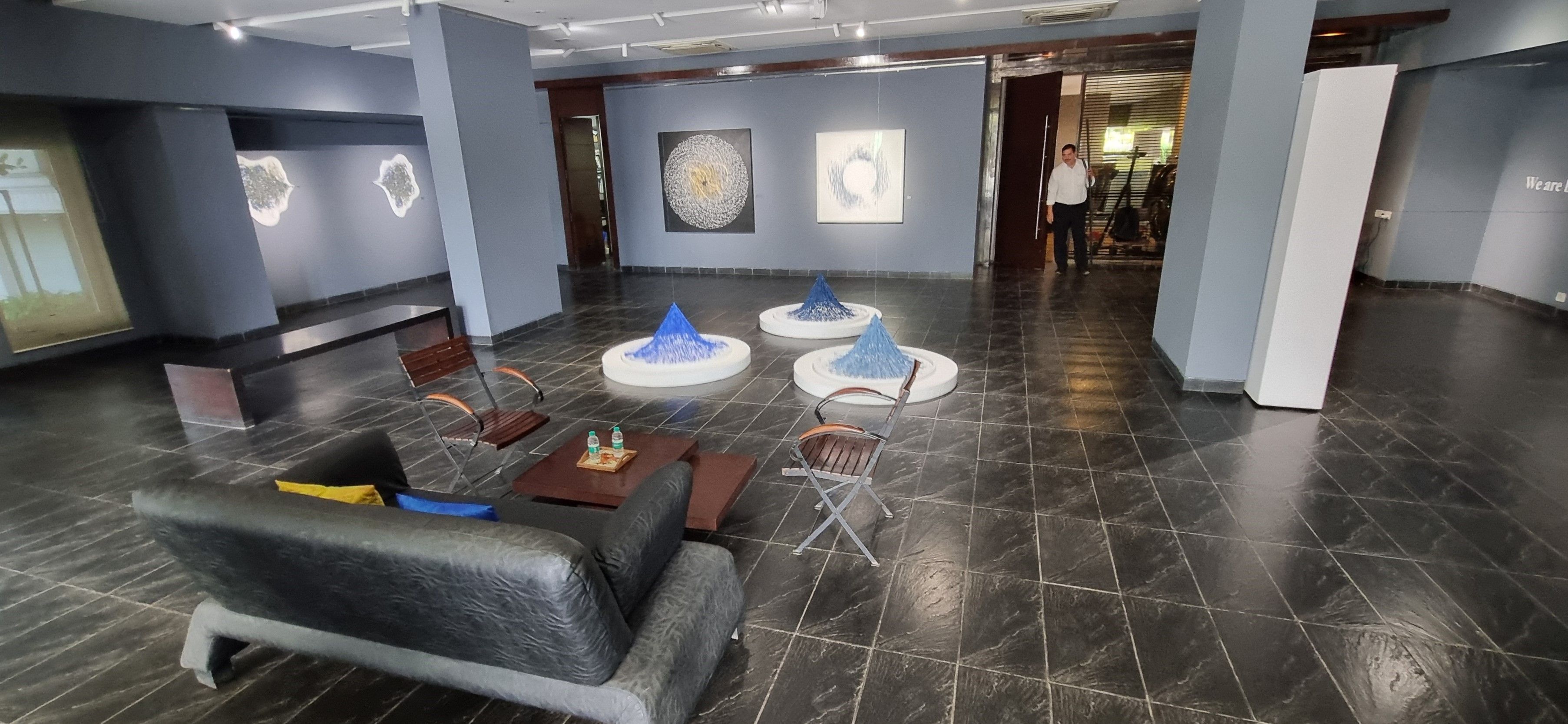
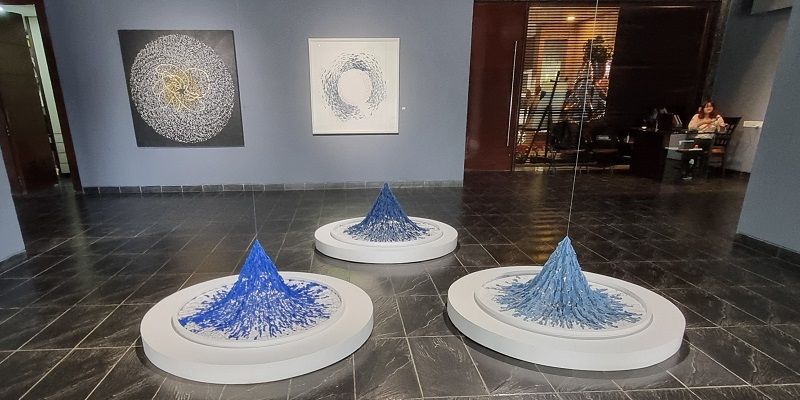
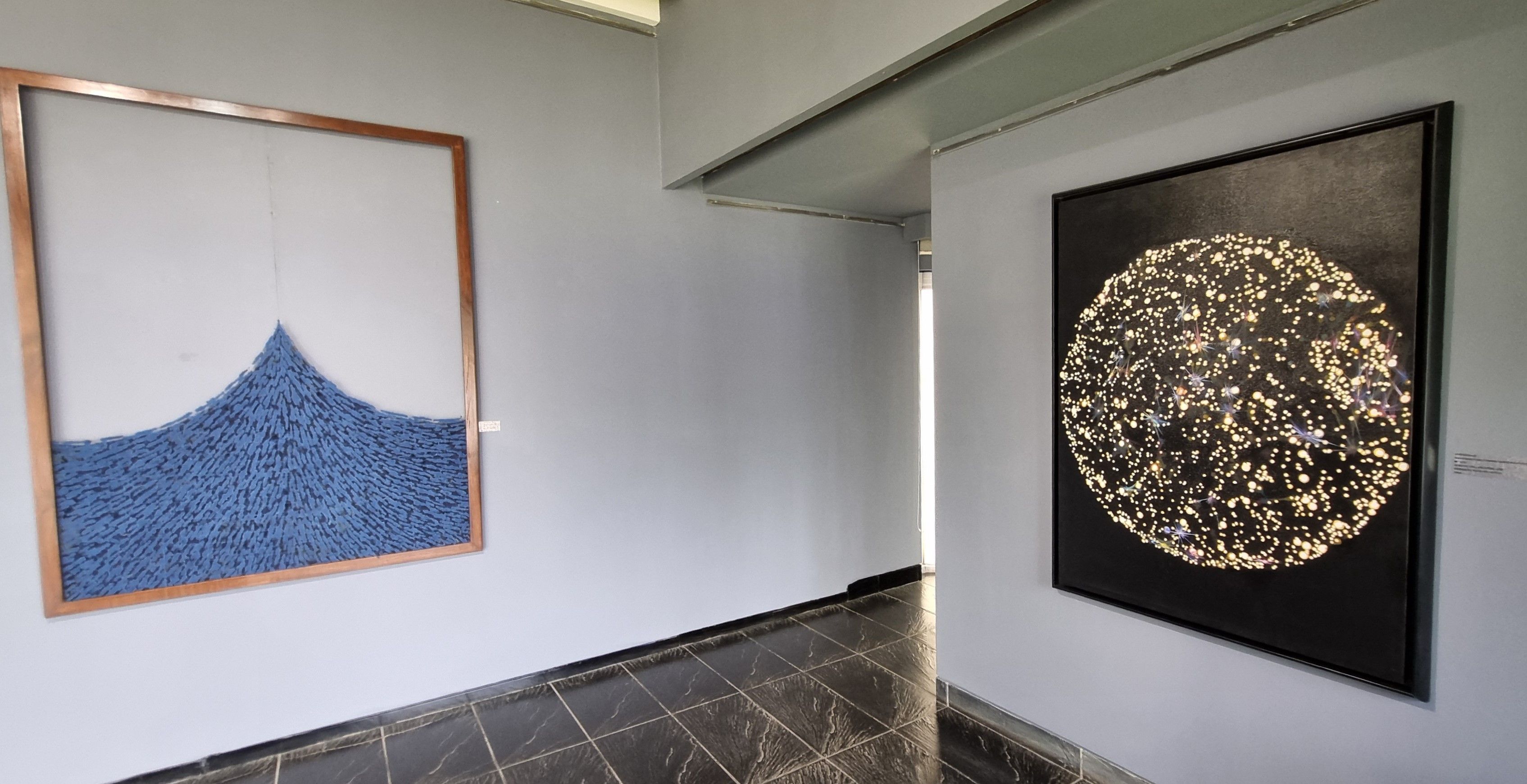
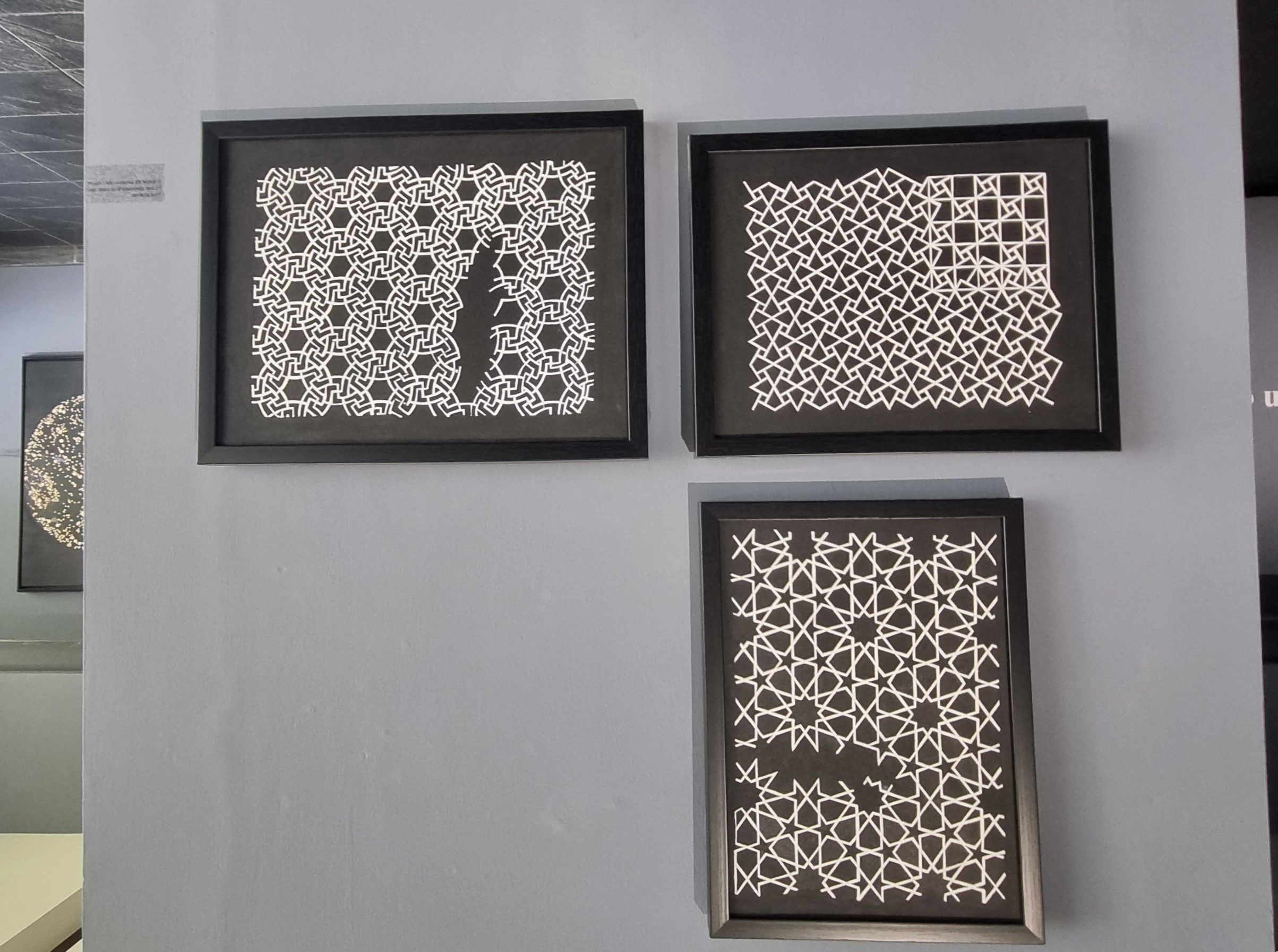
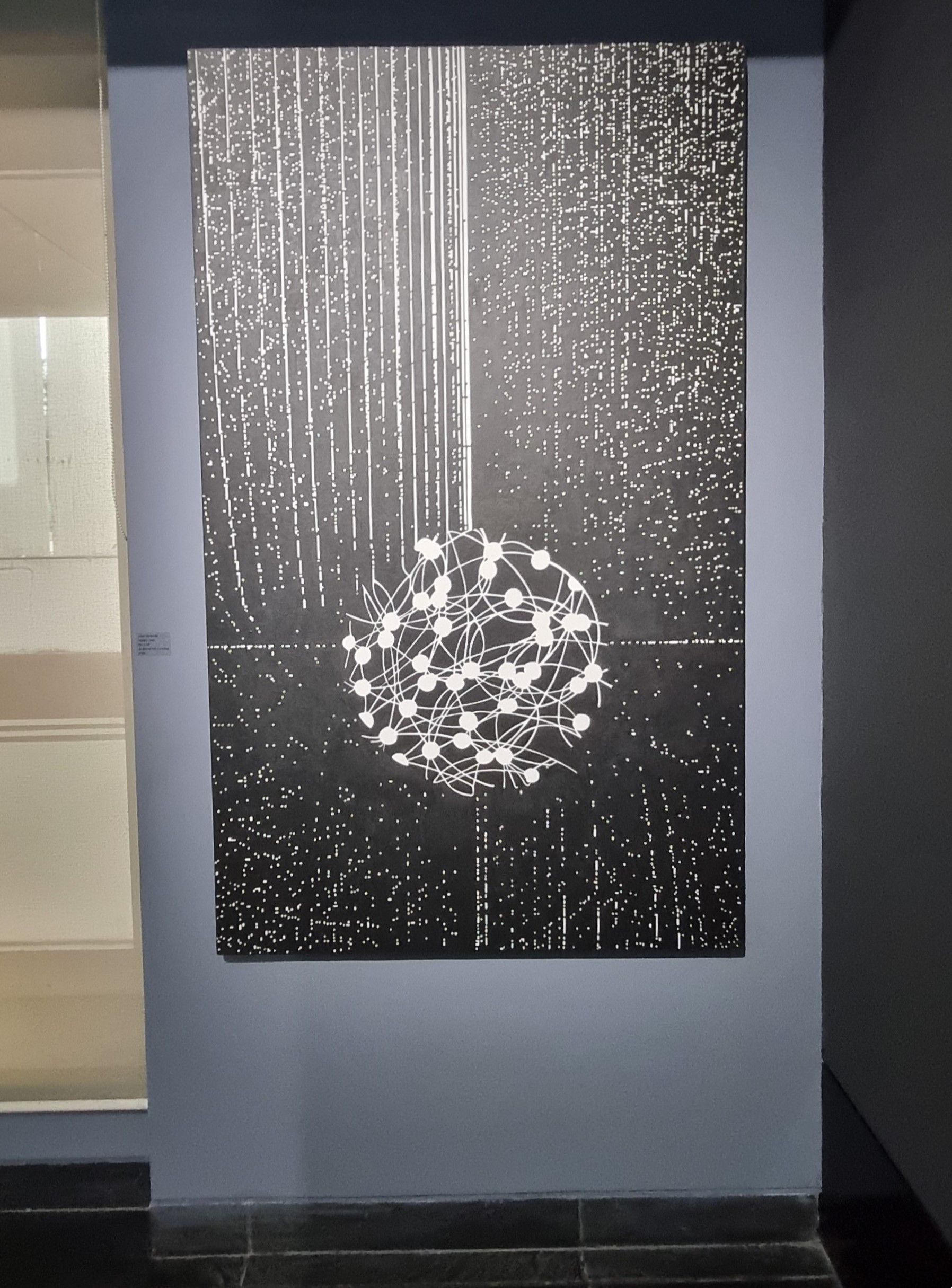
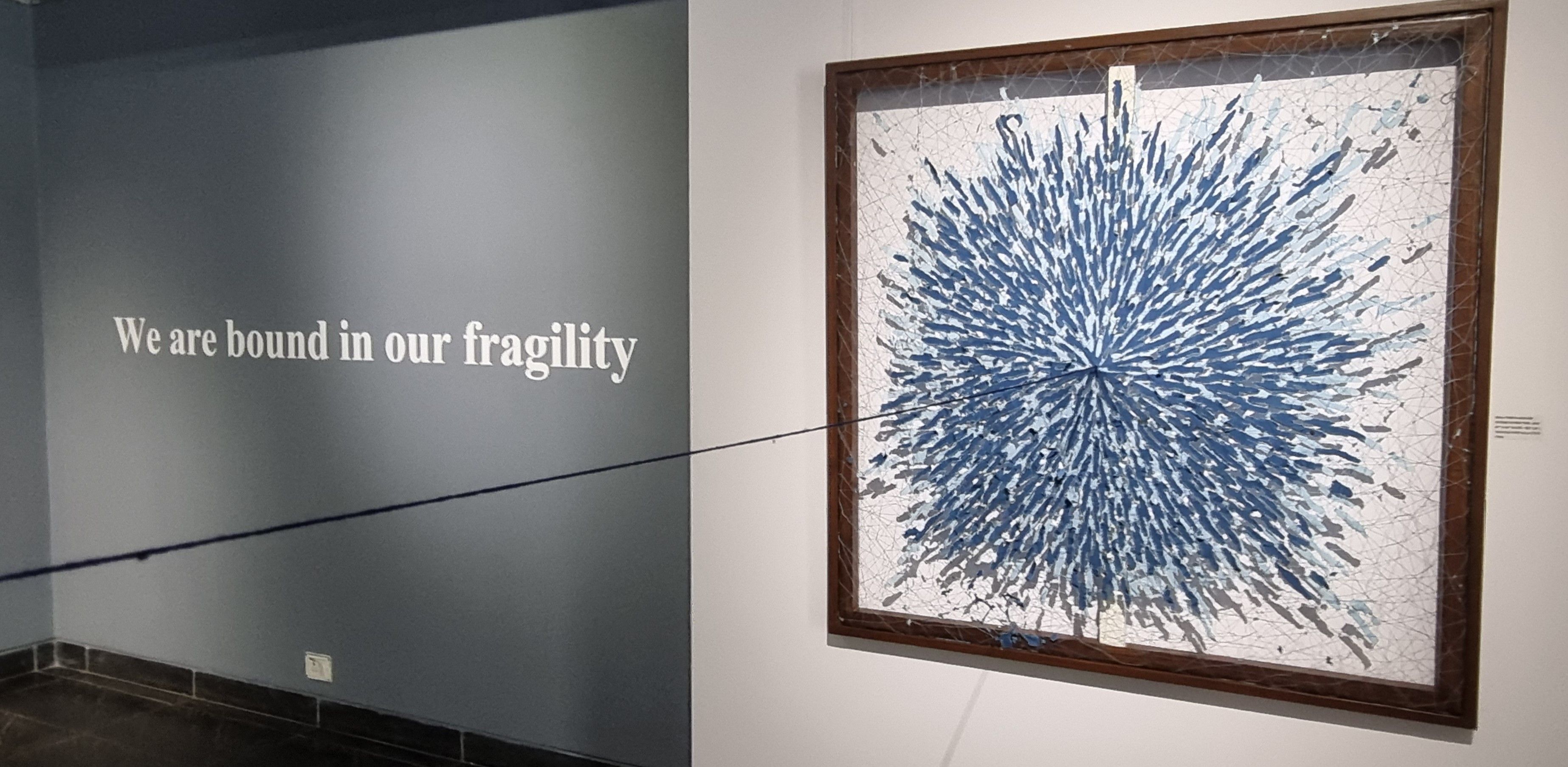
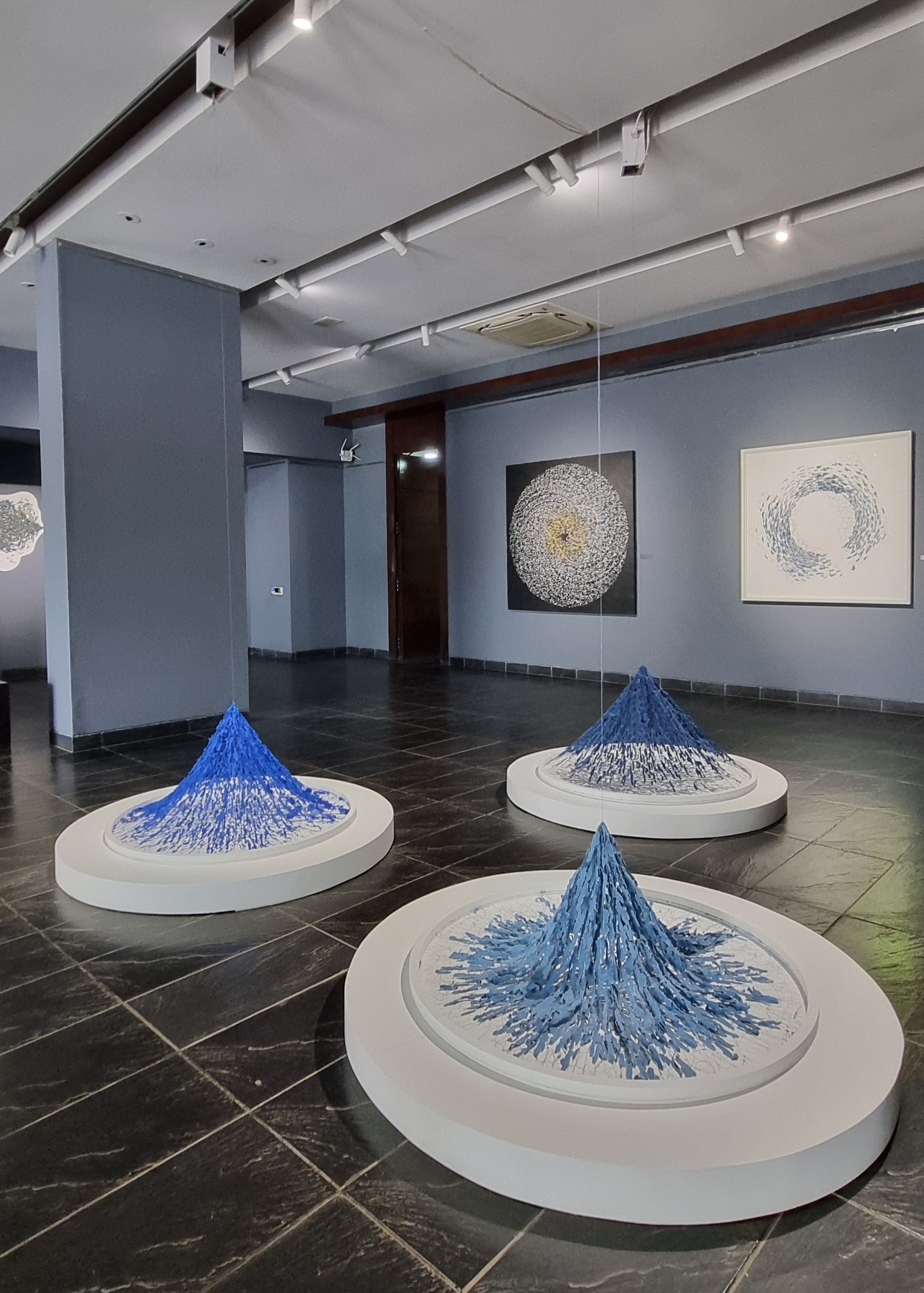
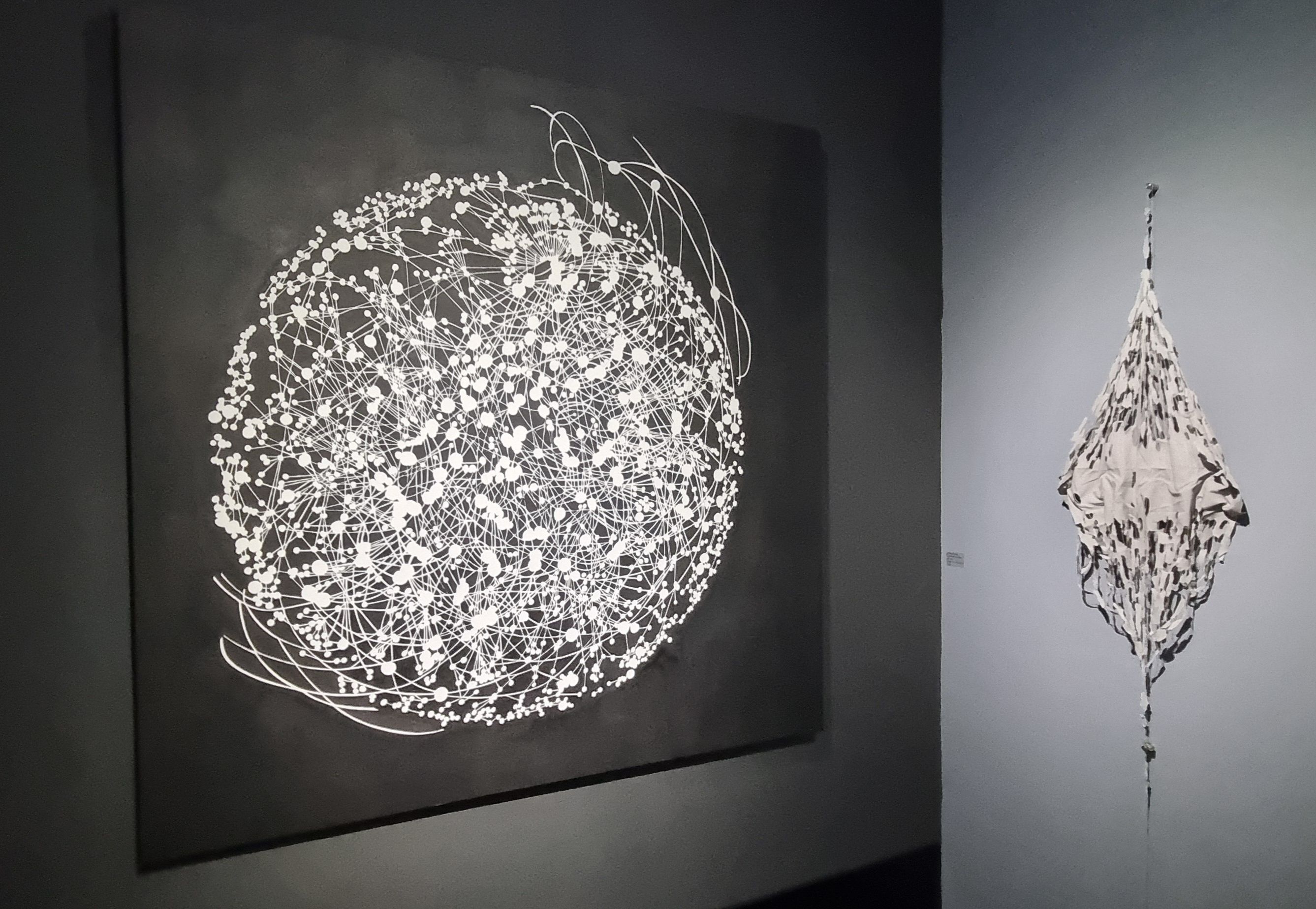
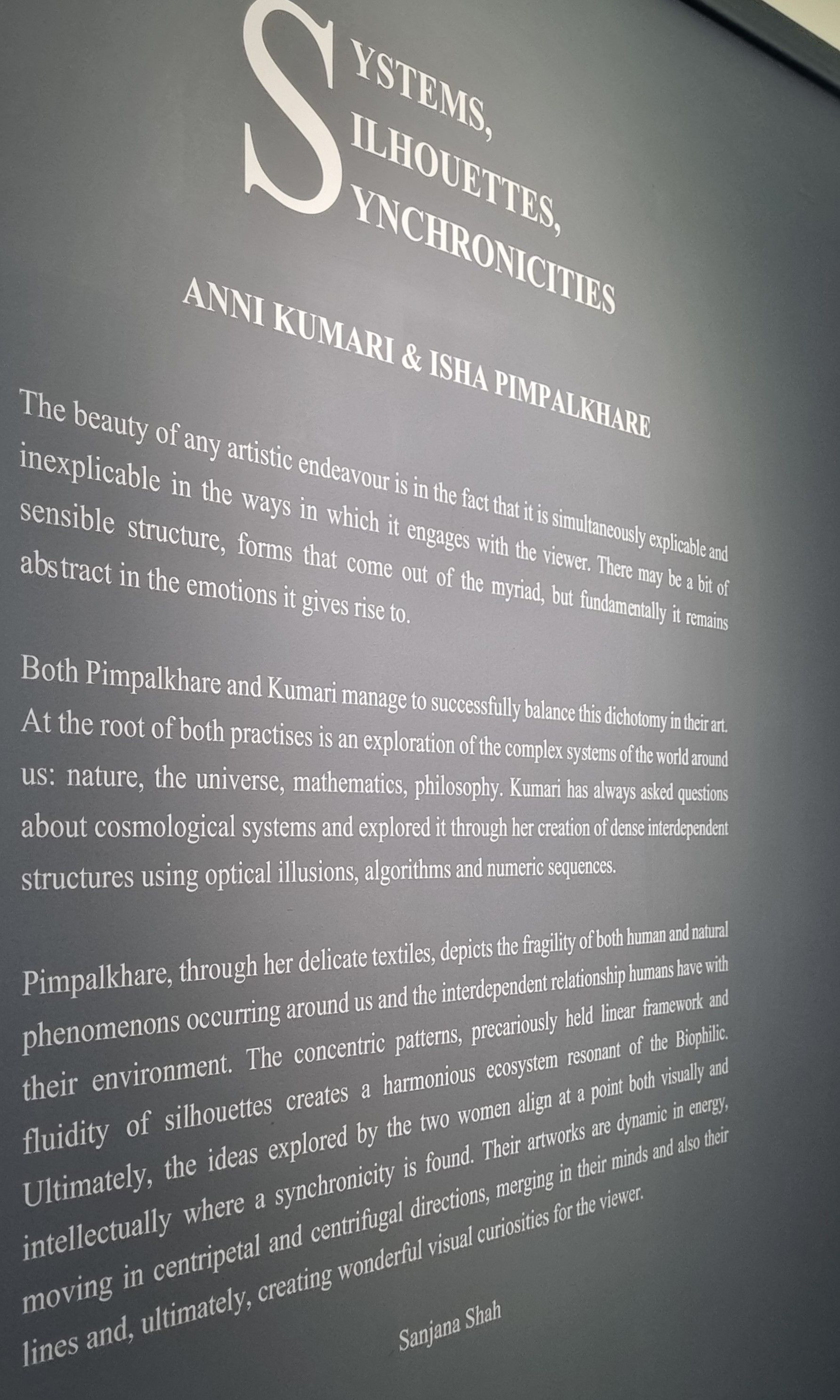
Take for example its exhibition titled Systems, Silhouettes, Synchronicities, a joint showcase featuring the creations of two powerful abstract artists. It depicted the confluence of art, science and philosophy through the works of Isha Pimpalkhare and Anni Kumari.
“The beauty of any artistic endeavour is in the fact that it is simultaneously explicable and inexplicable in the ways in which it engages with the viewer. There may be a bit of sensible structure, forms that come out of the myriad, but fundamentally it remains abstract in the emotions it gives rise to,” curator Sanjana Shah tells YourStory.
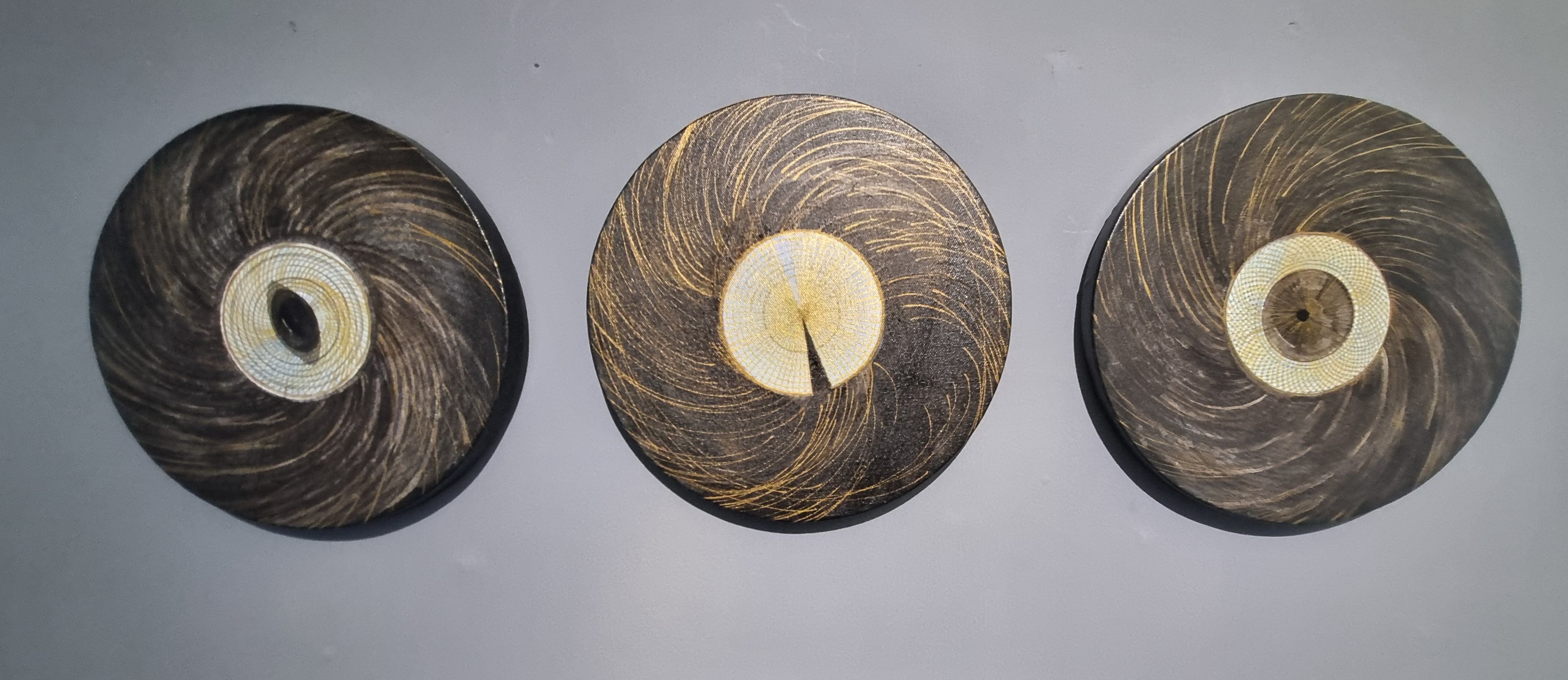
Anni Kumari has been an artist-in-residence at the Piramal Art Foundation. Through the process of repetitive pattern making, she explores complexities of contemporary human relationships and their constant transmutation.
Also Read 2026 Outlook: AI, robotics, biotech, unicorns and the road ahead
In her works, rhythmic patterns are based on mathematical algorithms, ideas and concepts such as the prime numbers and the Fibonacci series. They become symbols of complex interdependent structures and passages that often relate to vast geographical and sometimes cosmological spaces.
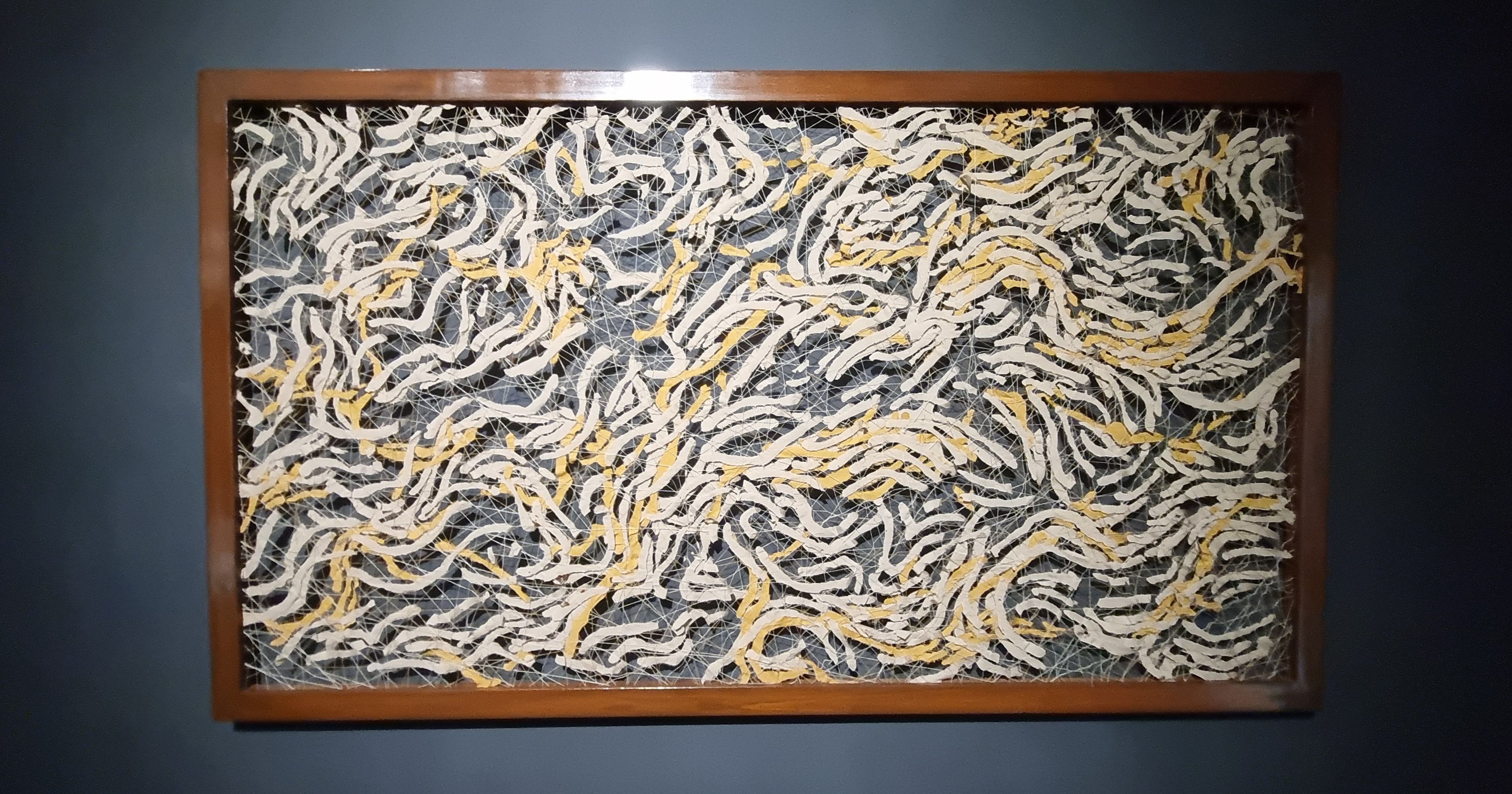
Isha Pimpalkhare’s primary technique is inspired by methods of lace-making, which involve the chemical burning of cellulosic fibers. Based in Munich, she works with 100% cotton fabric, extensively stitched with polyester thread.
The acid used in the process dissolves the cotton but leaves the polyester intact, leaving behind a delicate mesh of threads connecting fragments of unburned fabric. More recently, she has been working with kinetic textile sculptures, employing motors, hardware and basic coding.
Bringing together the works of diverse artists such as Kumari and Pimpalkhare calls for curatorial vision, talent and experience. While artists create the works, the curator shapes how audiences experience them.
The curator’s position becomes especially important when an exhibition brings together two different artistic styles—for example, classical and contemporary, realism and abstraction, or local and international traditions. In such cases, the curator must build connections, create balance, and help viewers understand the dialogue between contrasting approaches.
When two styles are shown together, this concept is crucial. Without a strong theme, the exhibition can feel random or divided. A curator probes for common links, differences in emotion, and the impact on viewers when such varied techniques are positioned side by side.
Also Read Year in review: startups that raised big from VCs in 2025
Other factors to balance are significance of each piece, scale, visual rhythm across the gallery, and sufficient opportunity for each style to be appreciated in its own right. To have meaningful impact, the overall exhibition must design a visual conversation.
Placement of artworks is one of the curator’s most powerful tools. By positioning works thoughtfully, the curator creates a conversation between styles. Paintings may face sculptures, minimalist works may contrast with ornate ones, or older pieces may lead into modern responses.
This arrangement allows viewers to compare factors such as colour, form, movement, or cultural values. The gallery space itself becomes part of the storytelling, and the story of the exhibition stays on in viewers’ minds long after the exhibition has closed.
At times when styles differ greatly, viewers may need guidance as well. This can include wall texts, catalogue essays, tours, and educational programming that explain the relationships between works.
Exhibitions that combine different styles can challenge assumptions. A curator helps audiences see that art history is not separate boxes, but an ongoing exchange of ideas. Unexpected pairings often reveal fresh meanings in both styles.
The curator is thus more than an organiser—they are a mediator, designer, storyteller, and strategist. Through concept, selection, arrangement, and interpretation, the curator transforms contrast into conversation and creates an exhibition that is insightful, balanced and memorable, as seen in the Tao Art Gallery showcase.
Also Read How IIT Madras Incubation Cell is powering India’s next-gen deeptech startups
“The ideas explored by Isha Pimpalkhare and Anni Kumari align at a point both visually and intellectually where a synchronicity is found. Their artworks are dynamic in energy, moving in centripetal and centrifugal directions,” curator Sanjana Shah explains.
The artworks merge in the lines and also in the minds. “Ultimately, our exhibition of these two artists creates wonderful visual curiosities for the viewer,” Shah signs off.
Now what have youdone today to pause in your busy schedule and harness your creative side for a better world?
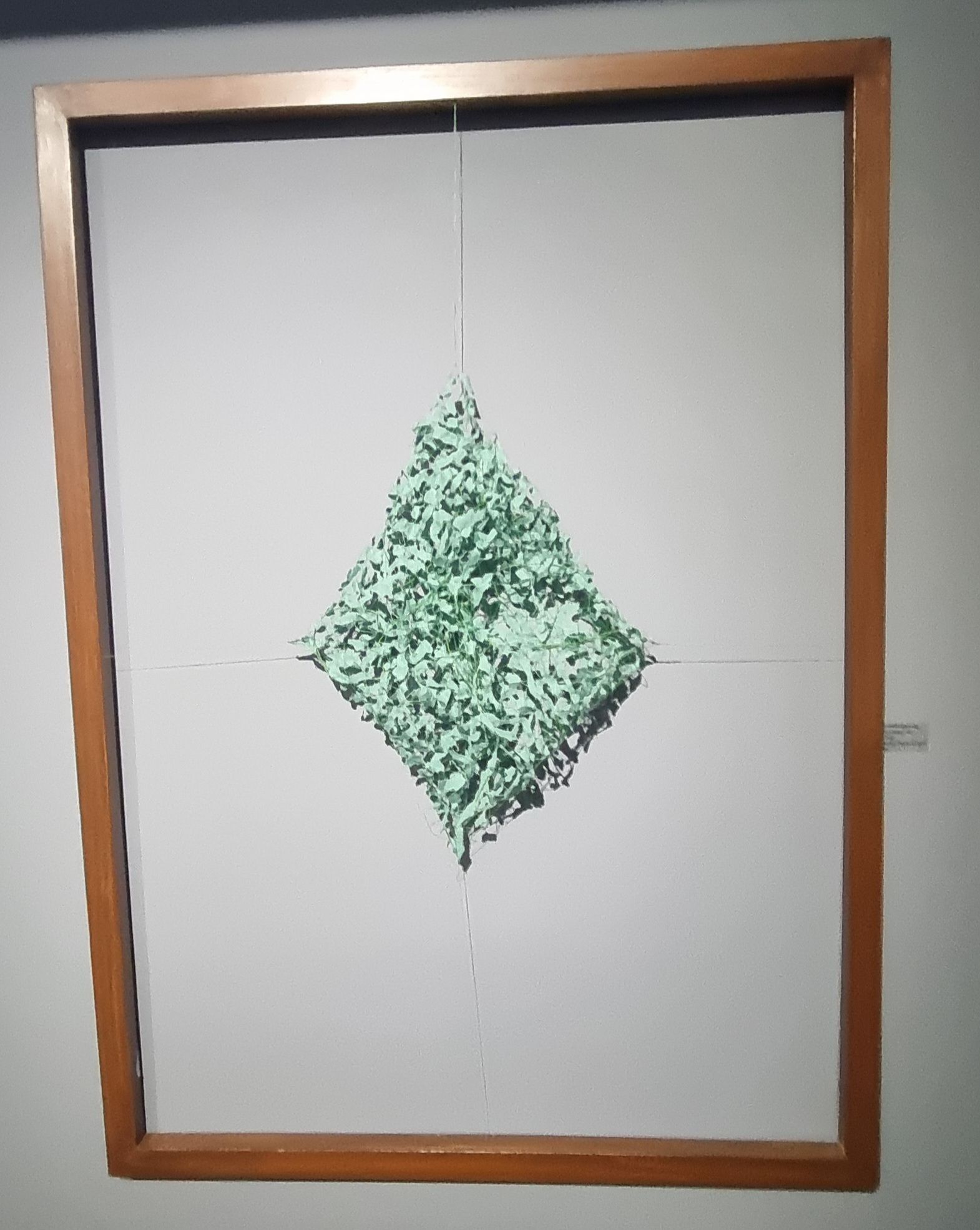
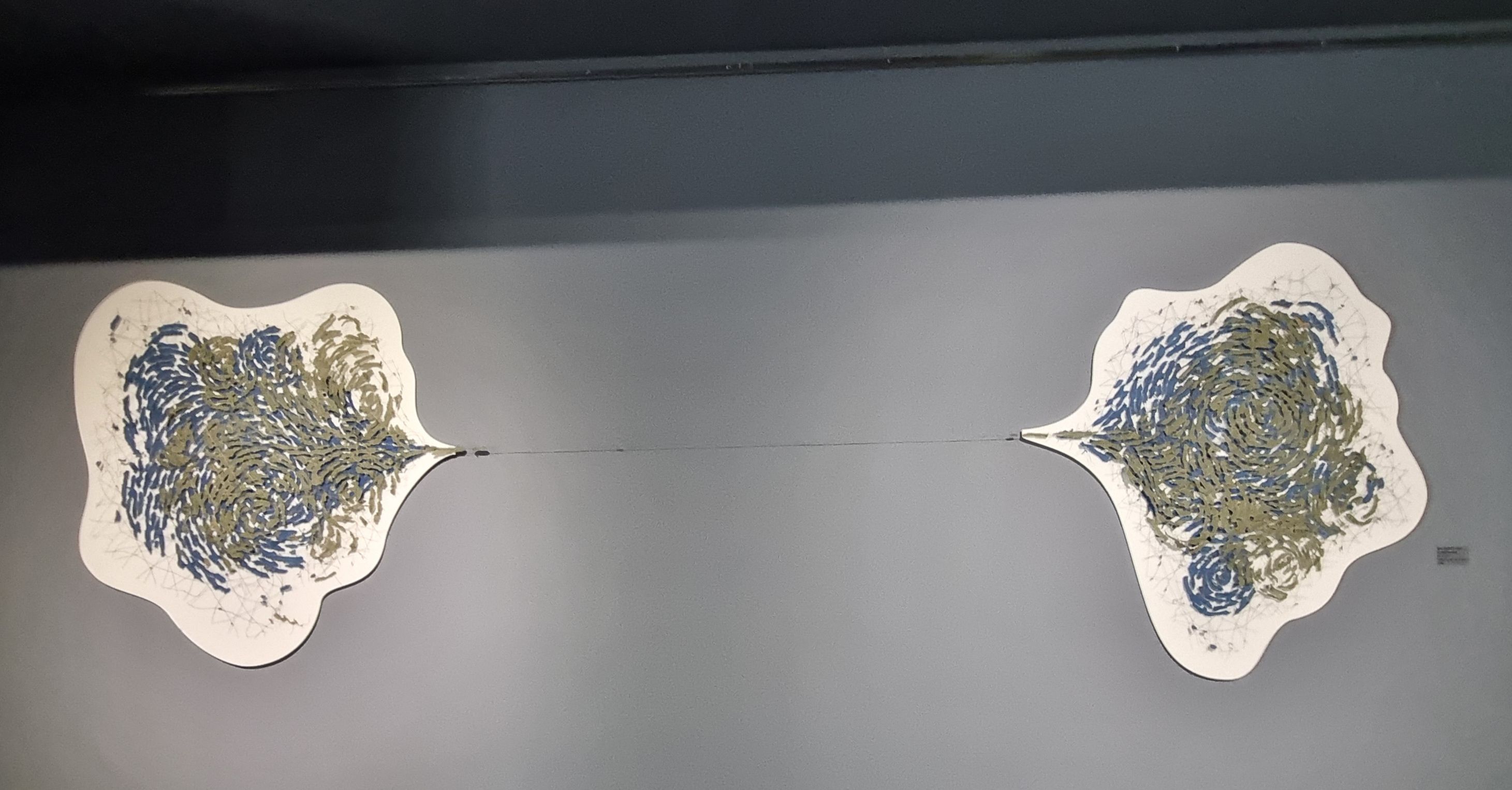
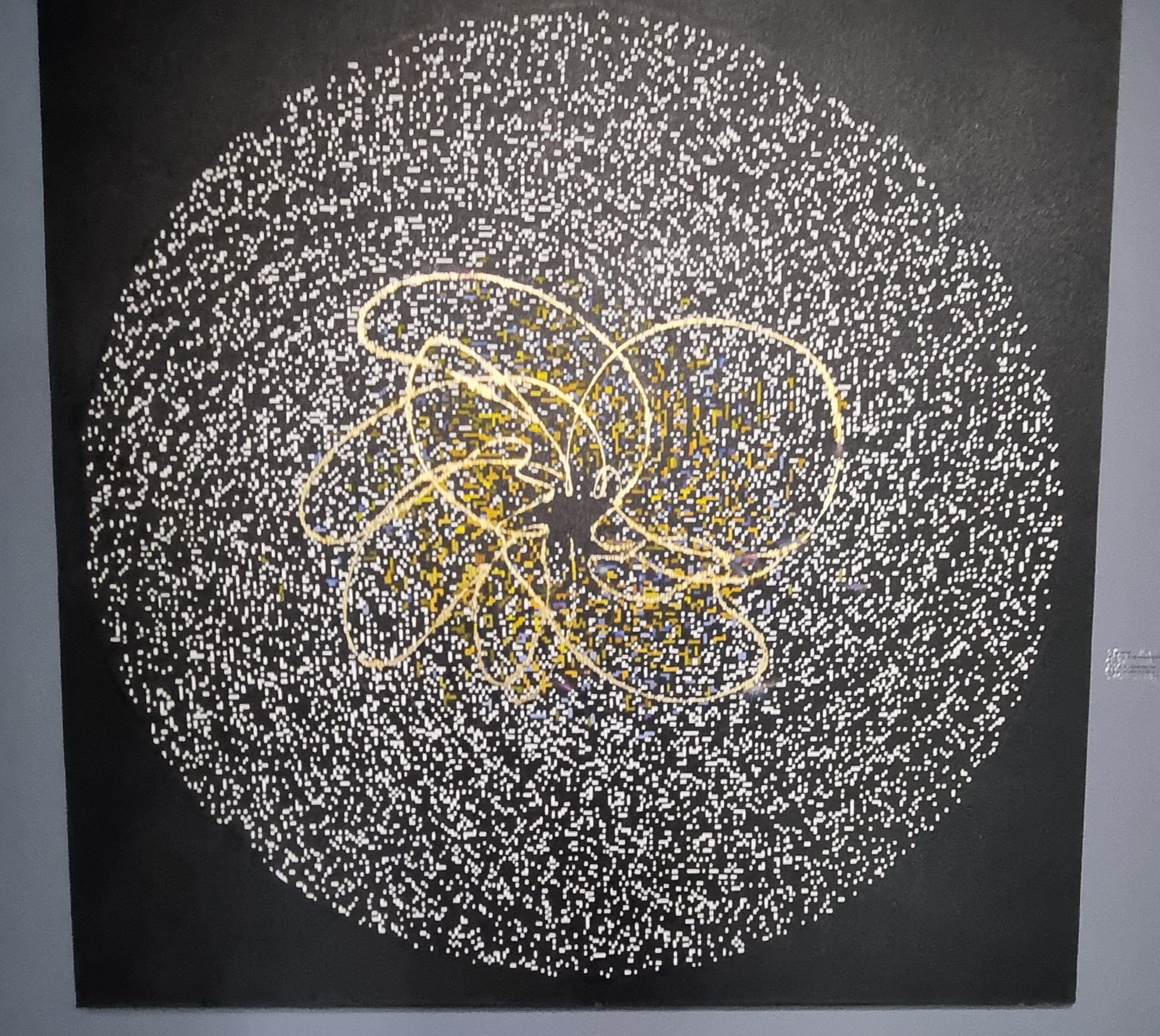
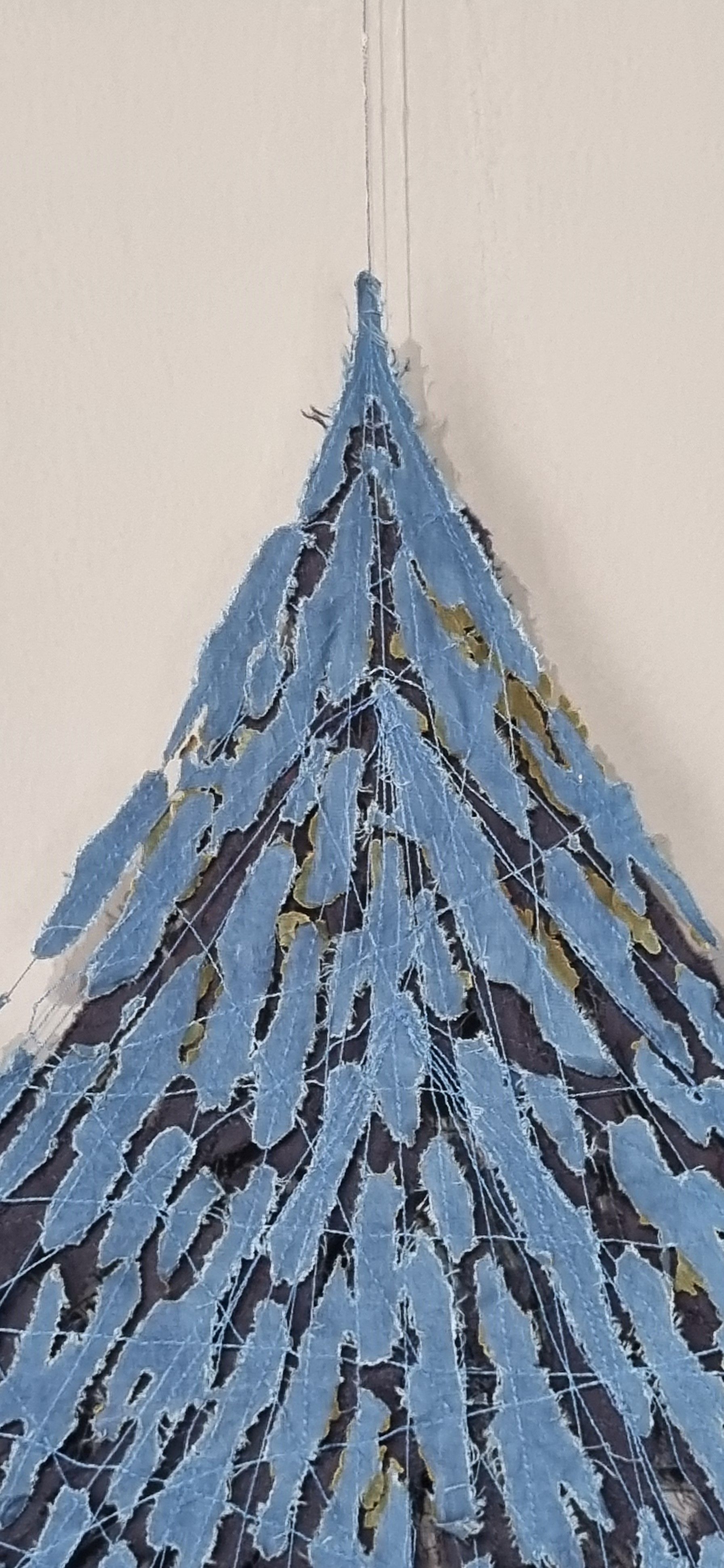
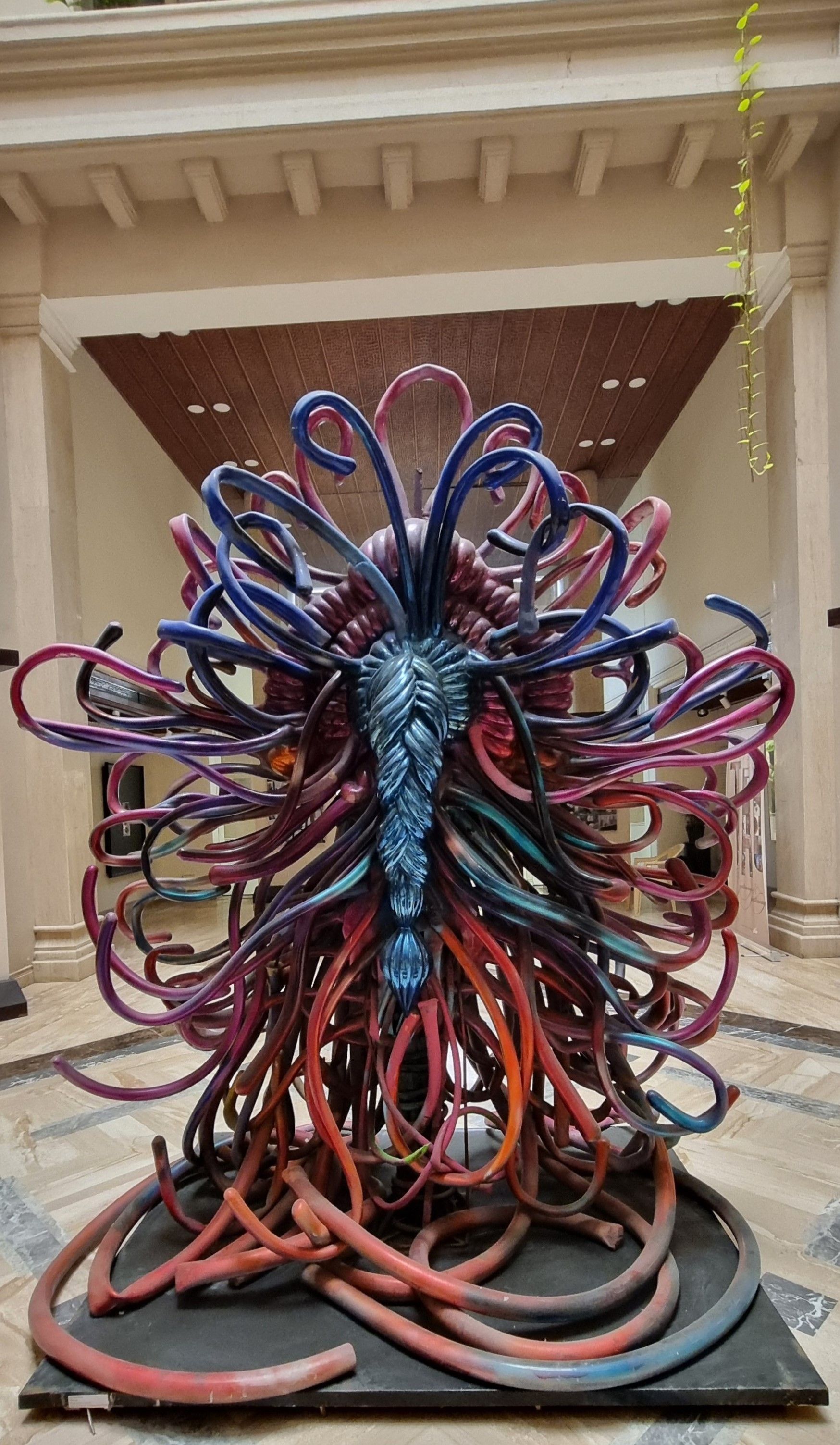
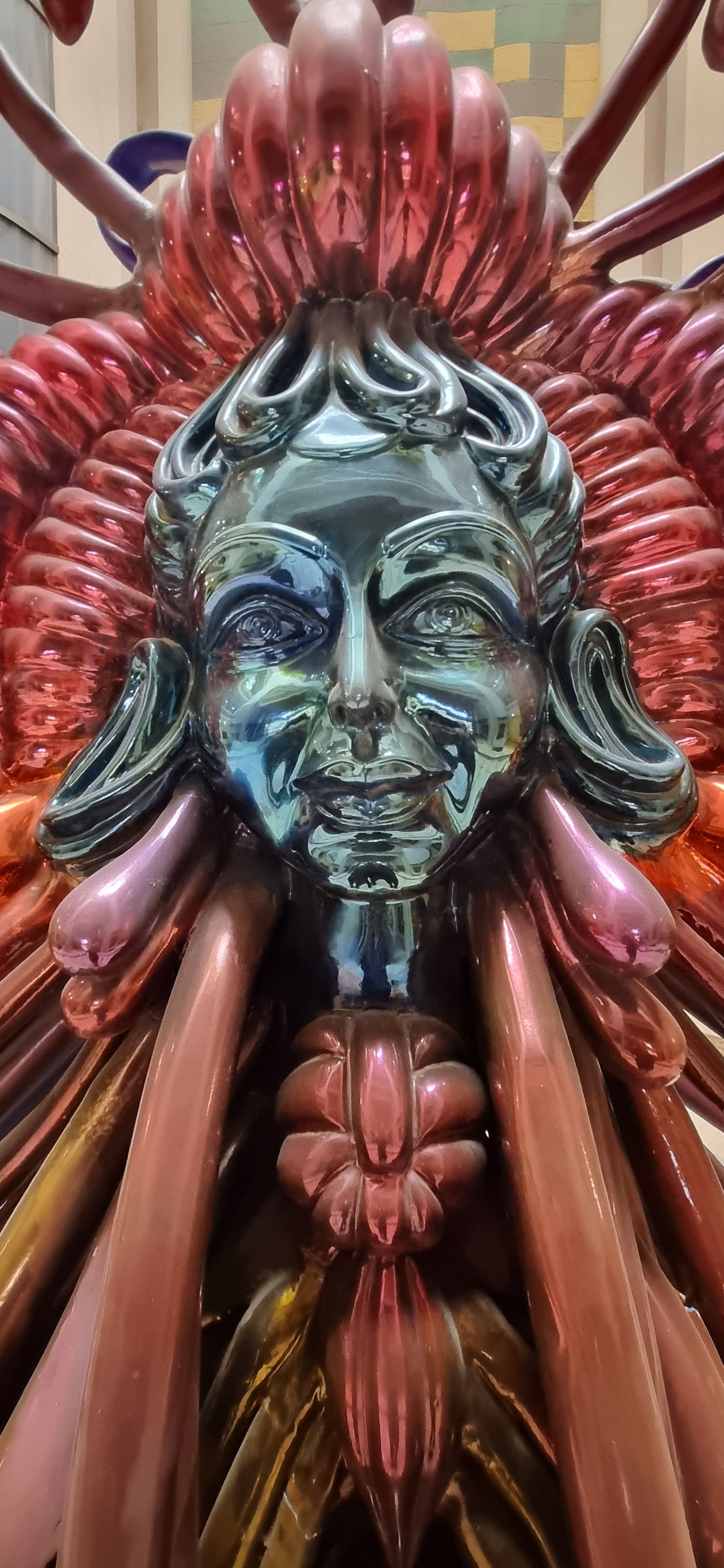
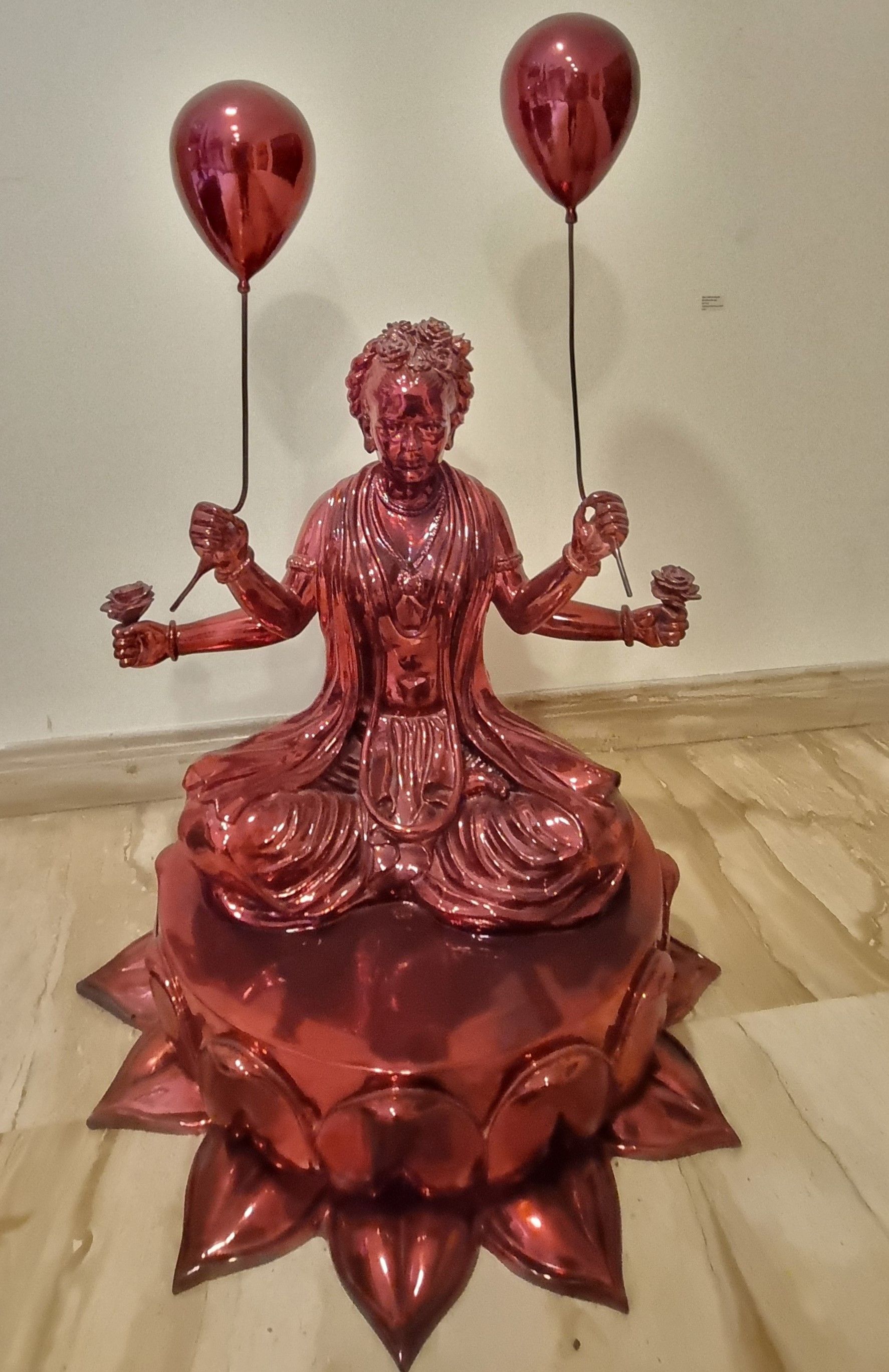
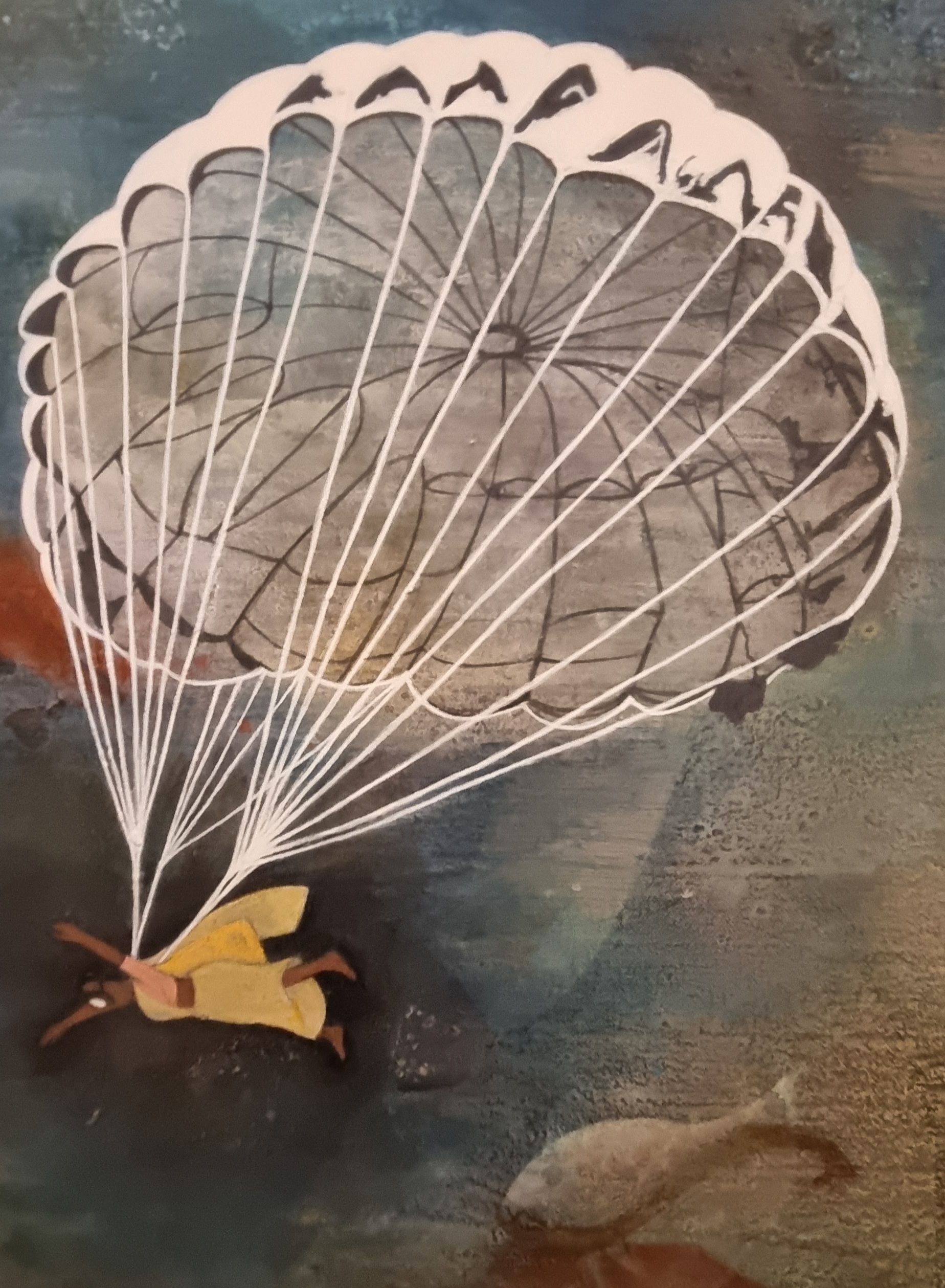
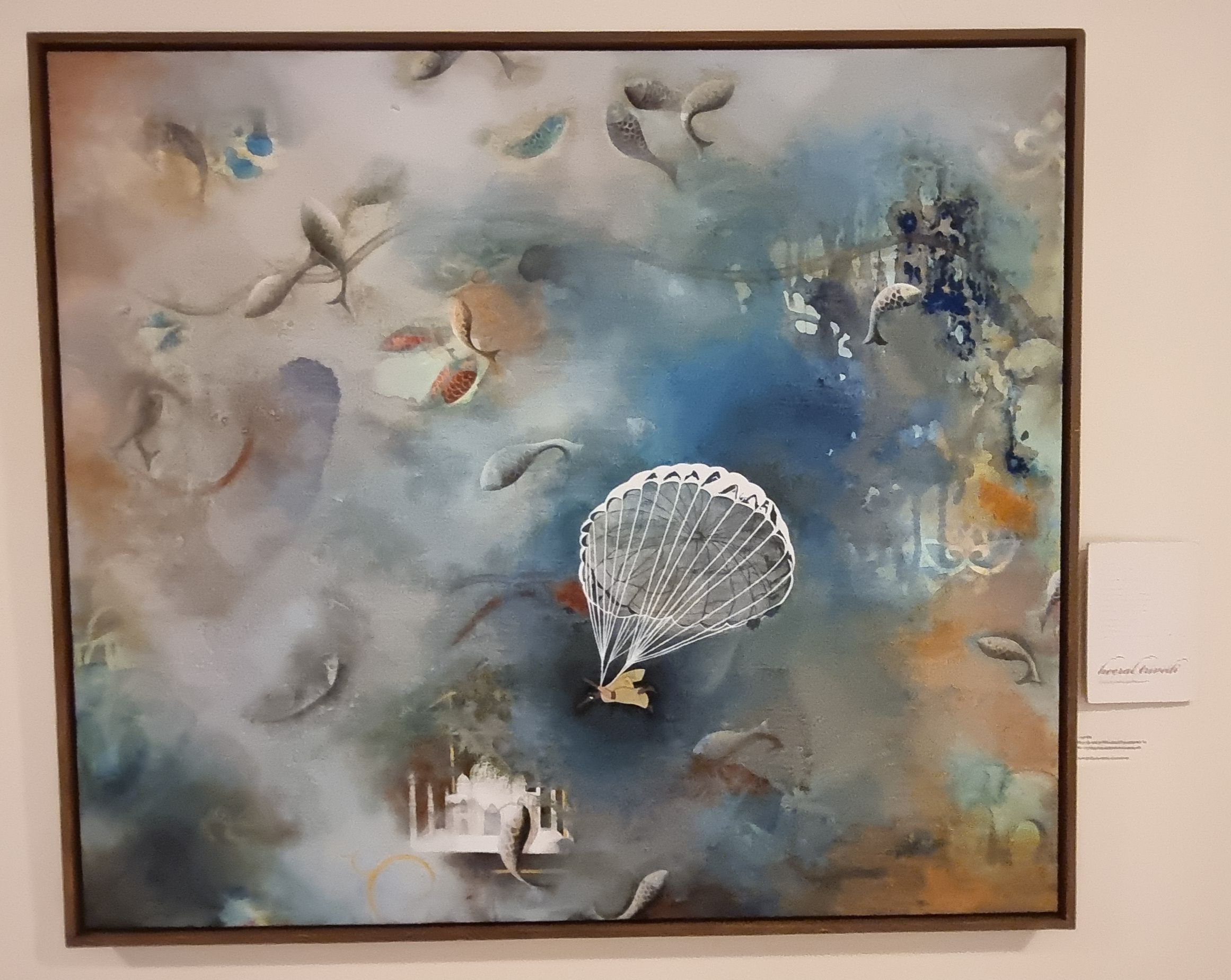
(All photographs taken by Madanmohan Rao on location at Tao Art Gallery.)
Original Article
(Disclaimer – This post is auto-fetched from publicly available RSS feeds. Original source: Yourstory. All rights belong to the respective publisher.)