
Launched in 2014, PhotoSparksis a weekly feature from YourStory,with photographs that celebrate the spirit of creativity and innovation. In the earlier 975 posts, we featured an art festival,cartoon gallery.world music festival, telecom expo, millets fair,climate change expo,wildlife conference,startup festival,Diwali rangoli,and jazz festival.
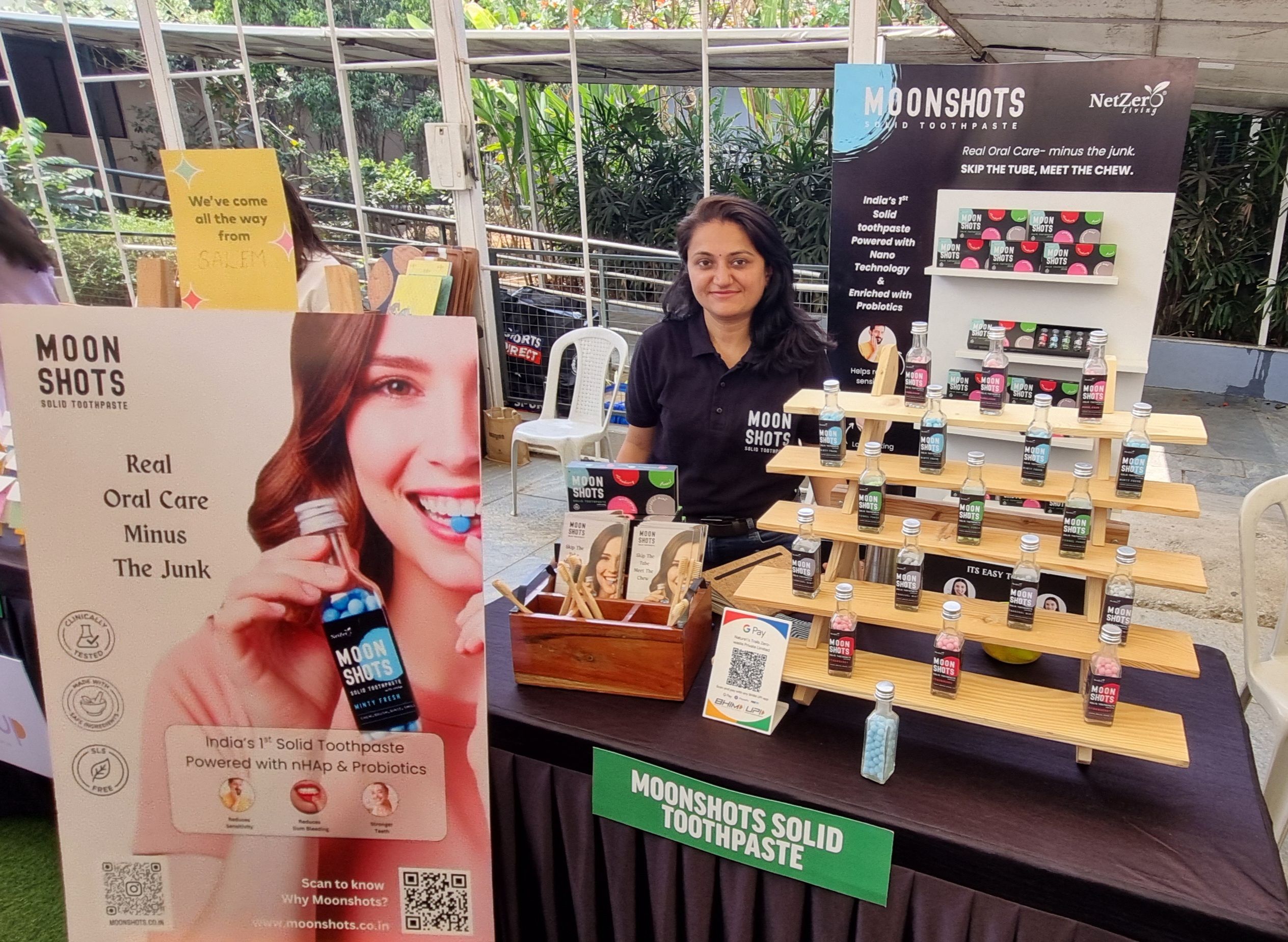
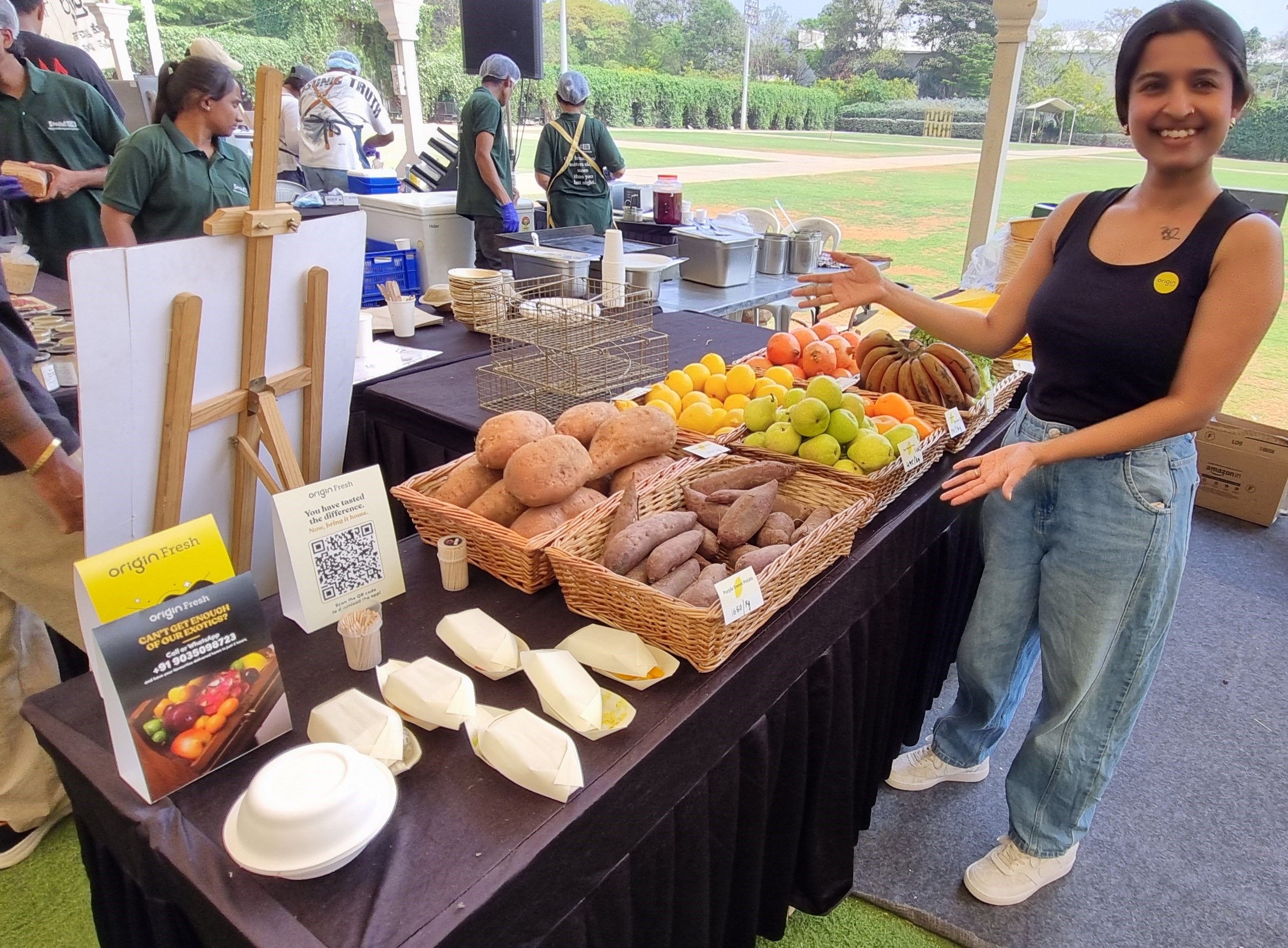
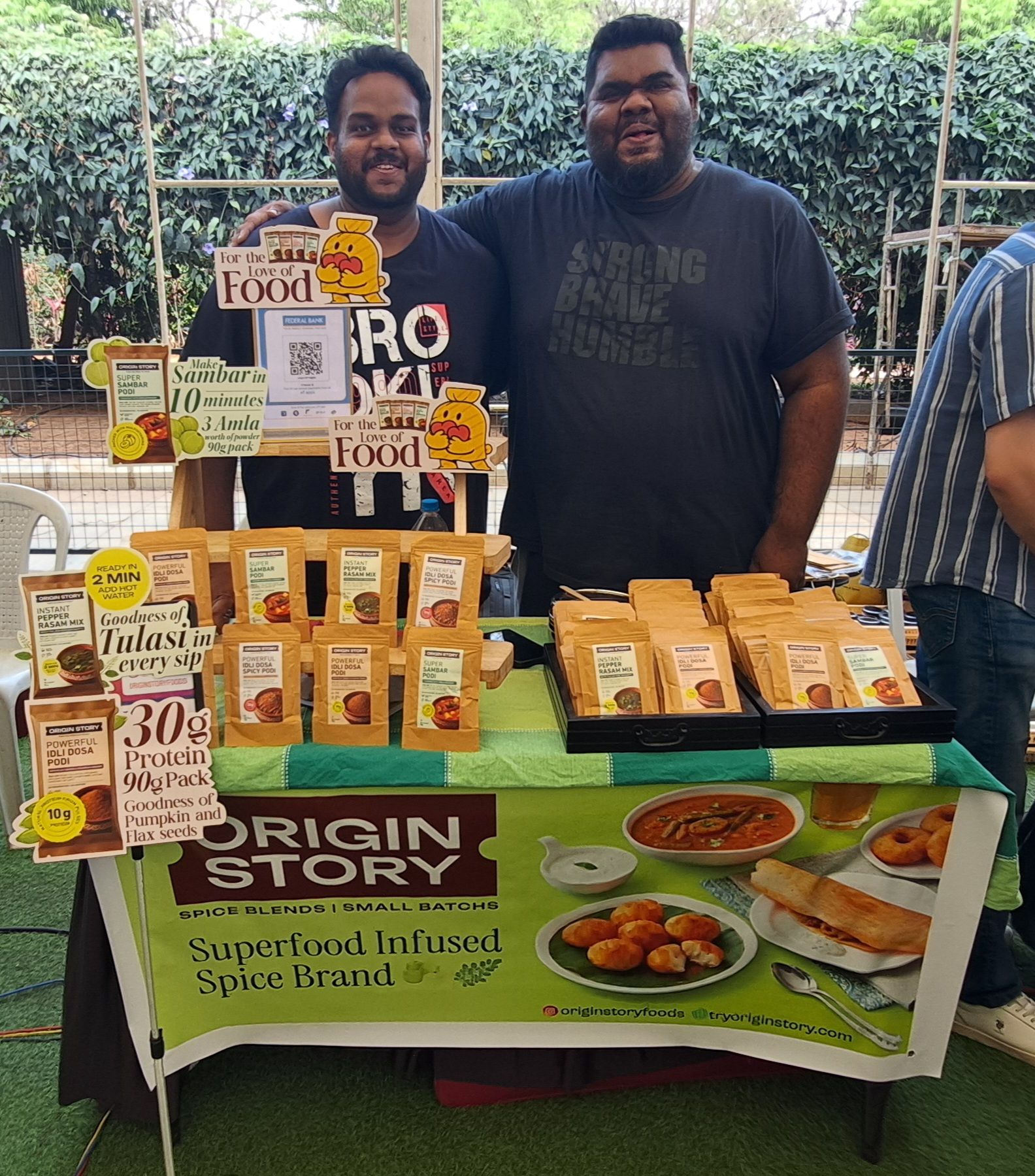
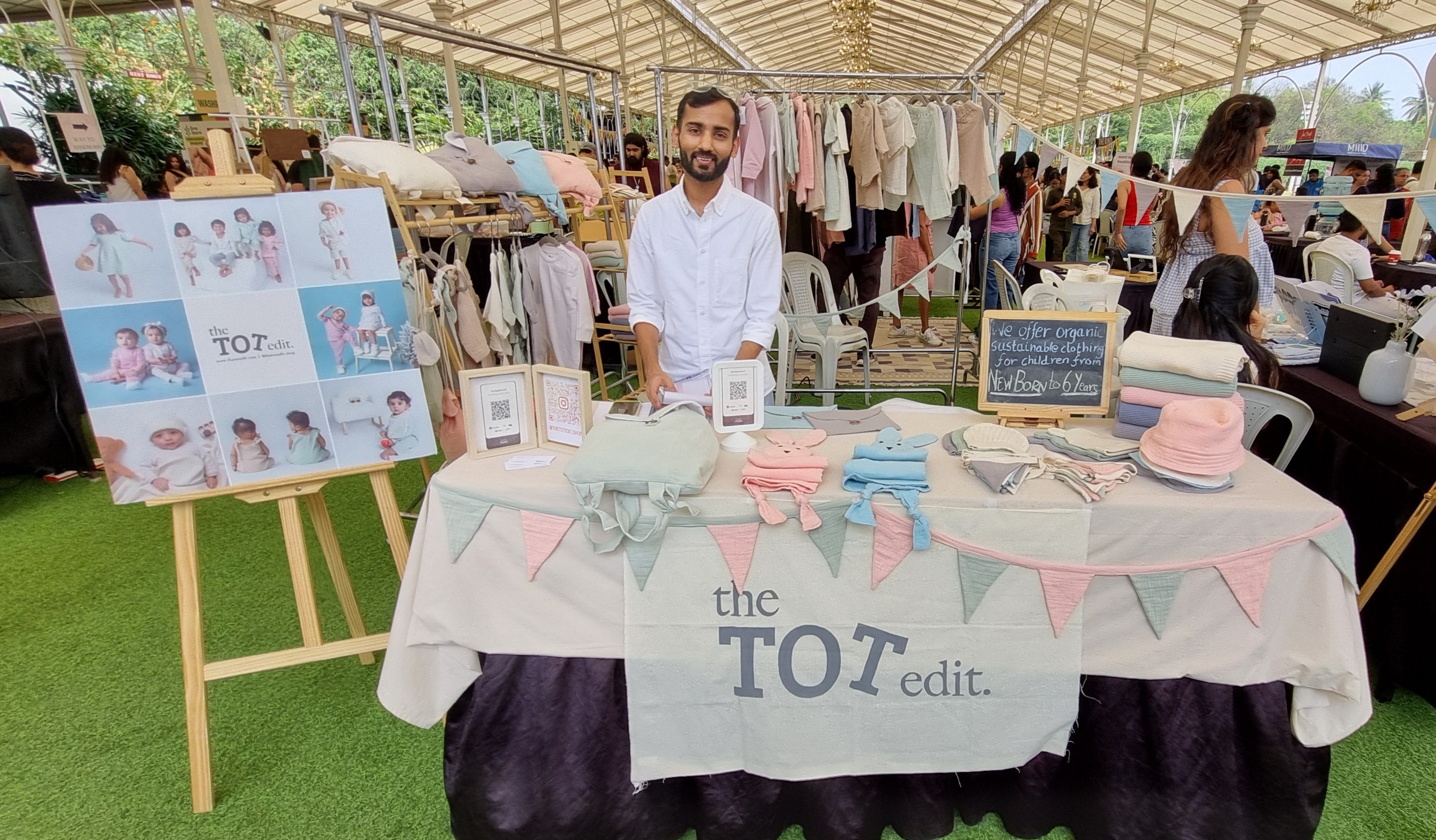
Bengaluru’s Chamara Vajra venue recently hosted the 18th edition of the Namu Recommends Vegan Market. The two-day celebration of conscious living brought together over 130 vegan and sustainable brands from across India.
The exhibits spanned food, fashion, wellness, home, lifestyle, and other categories. The immersive experience brought together a vibrant community of mindful consumers and entrepreneurs.
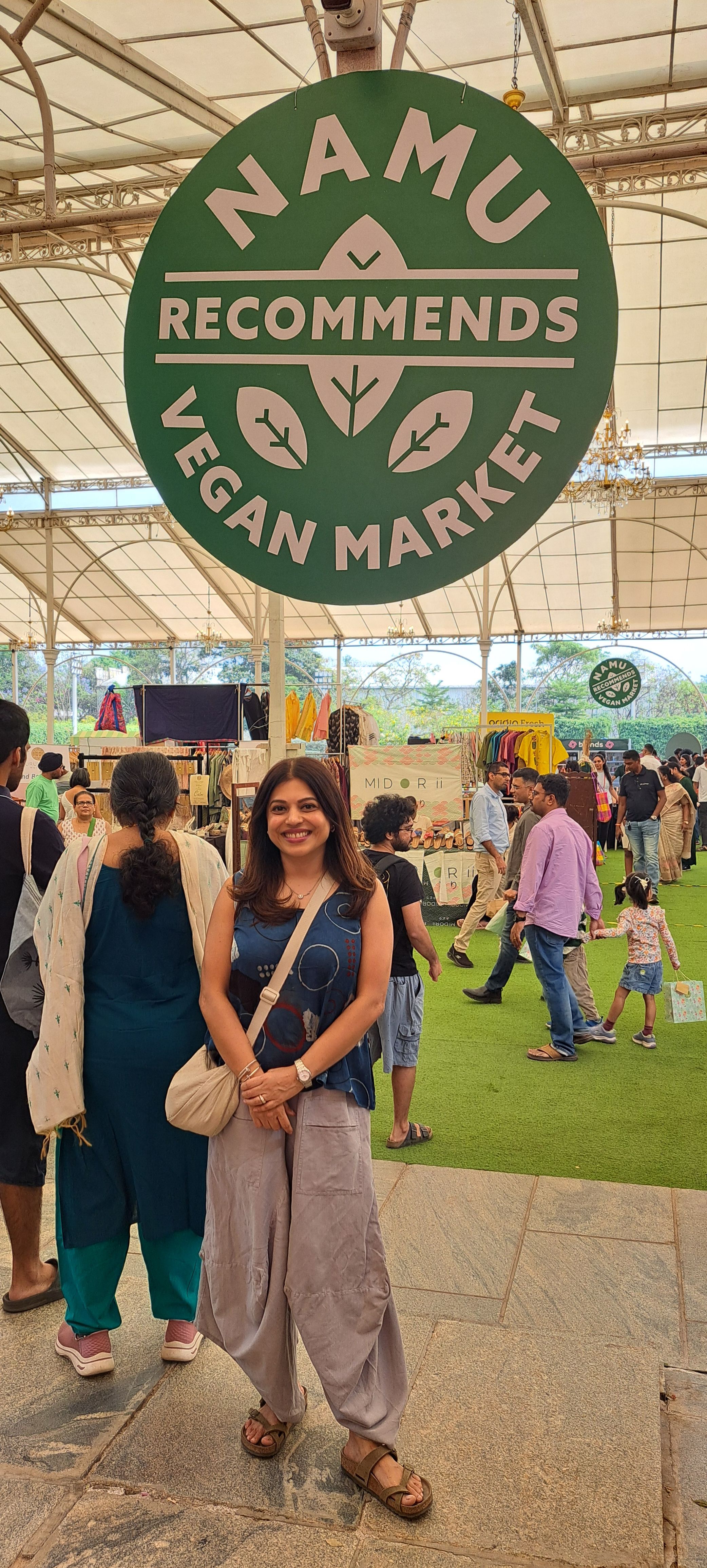
Namu Kini
Also Read 2026 Outlook: AI, robotics, biotech, unicorns and the road ahead
The market was founded by Namu Kini, who is also the co-founder of art platform KYNKYNY.com (see our writeup here). The market began as a small initiative centred around conscious choices, and has since grown into a popular platform.
“We began as a simple idea – to bring together people who care about conscious living, good food, and compassionate choices,” Kini tells YourStory.
“Over time, it has become a community where small businesses and mindful consumers can connect and support one another. It is not just about food, it is about a lifestyle rooted in kindness, sustainability and curiosity,” she adds.
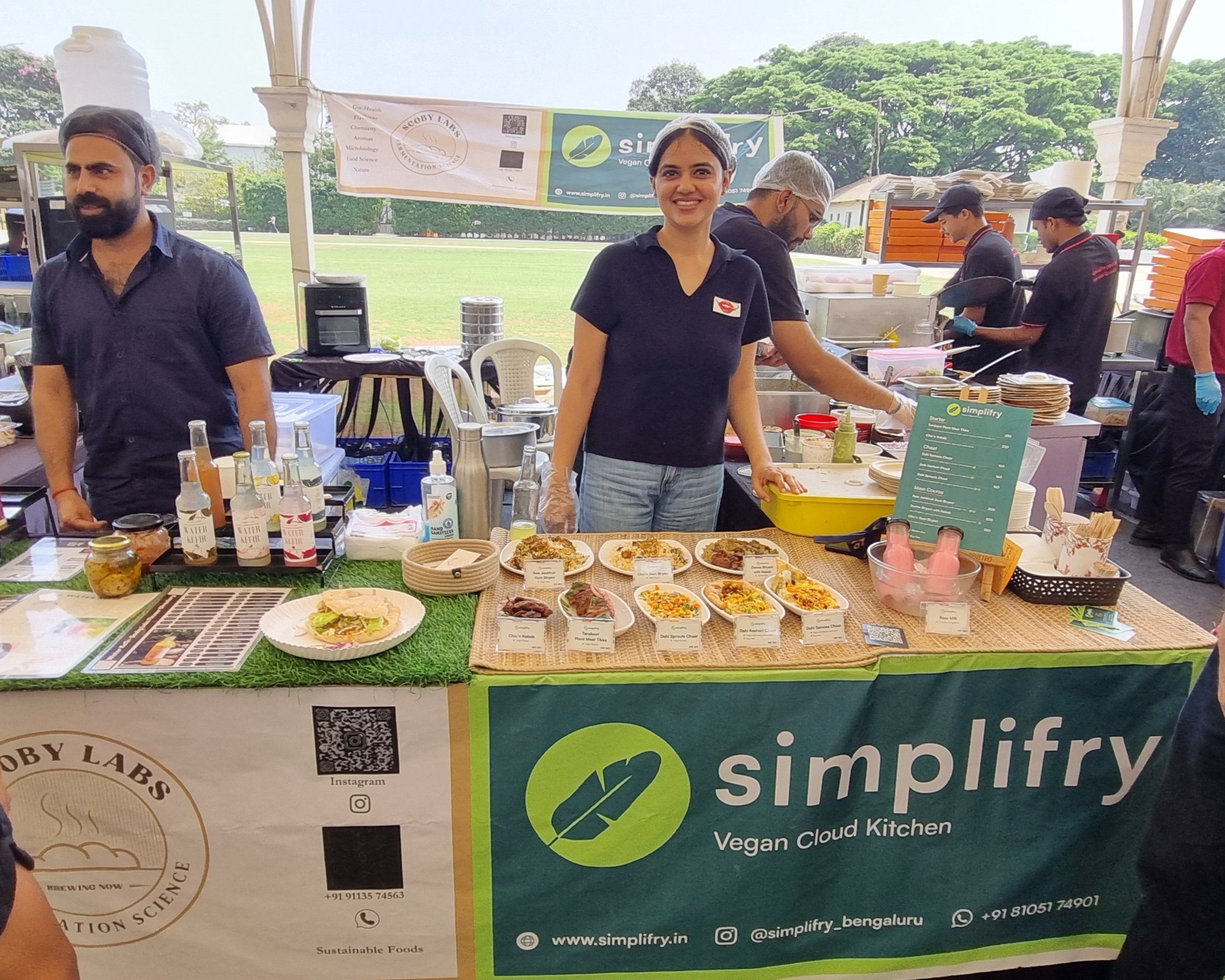
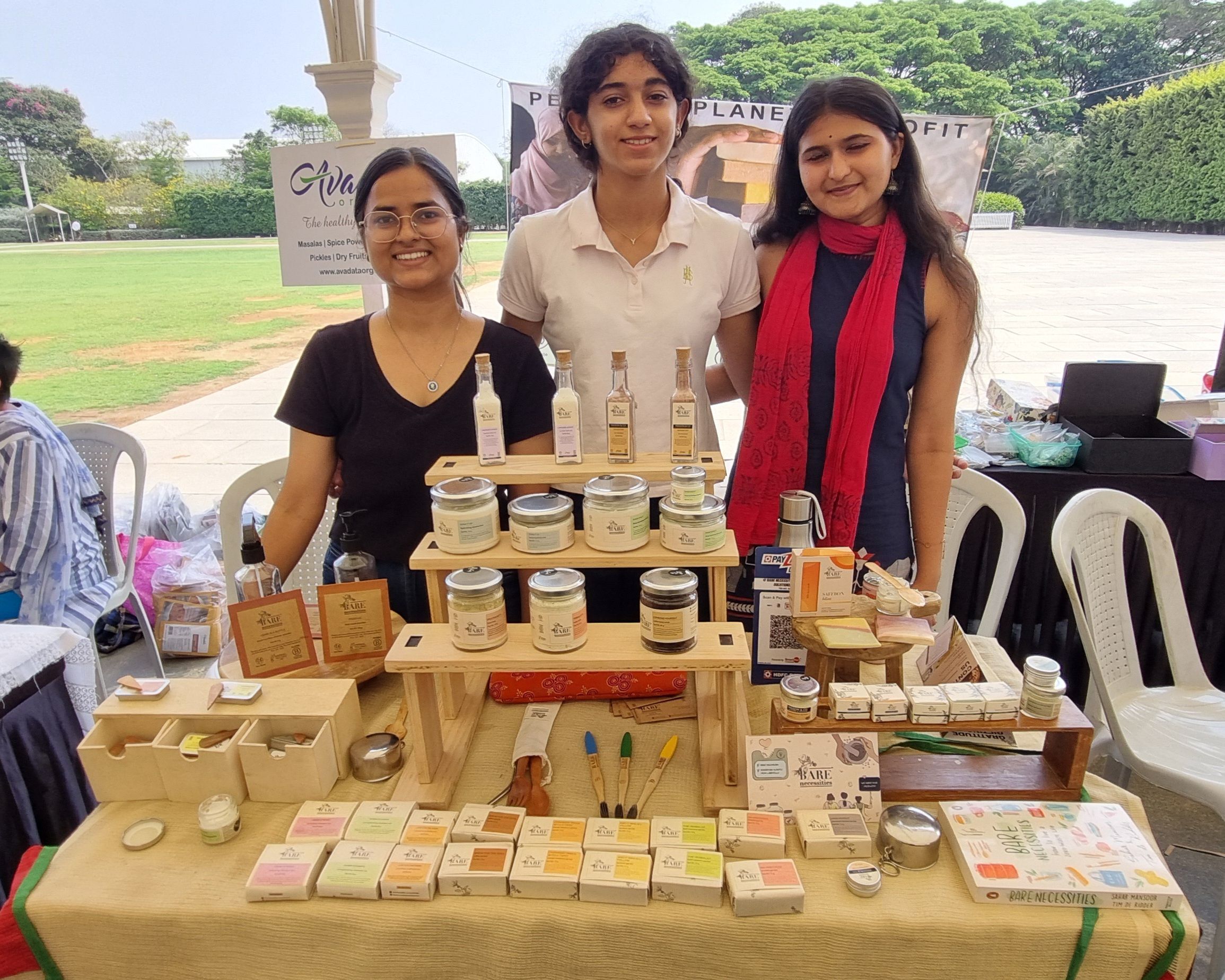
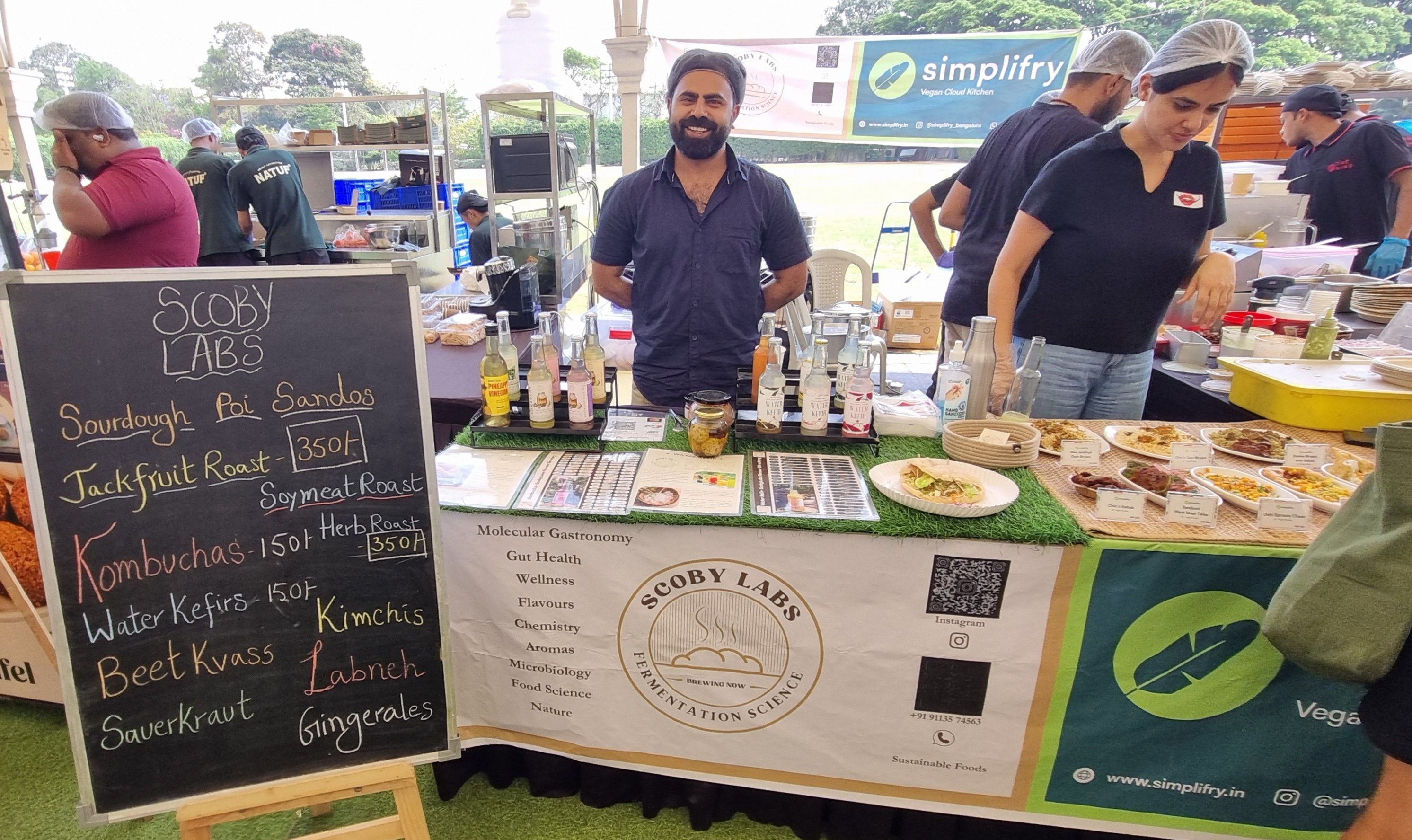
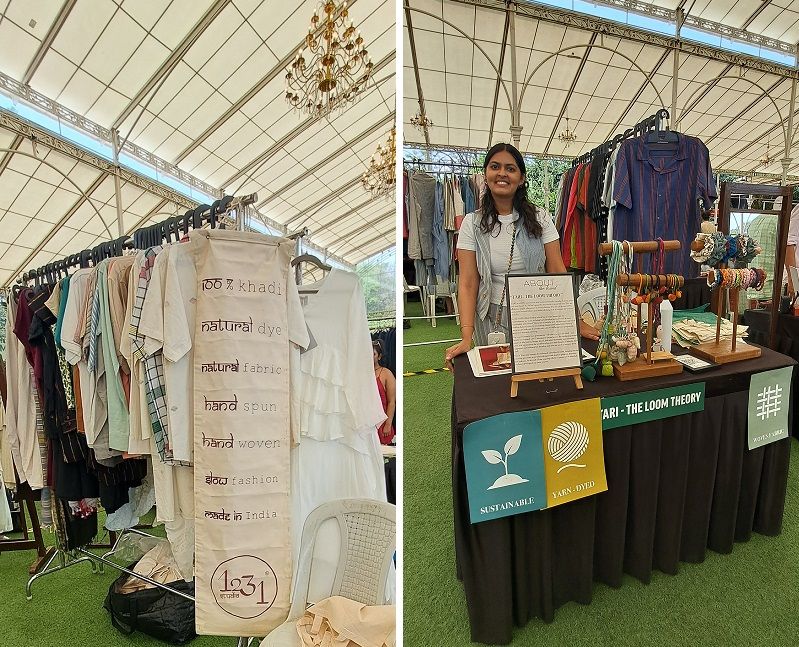
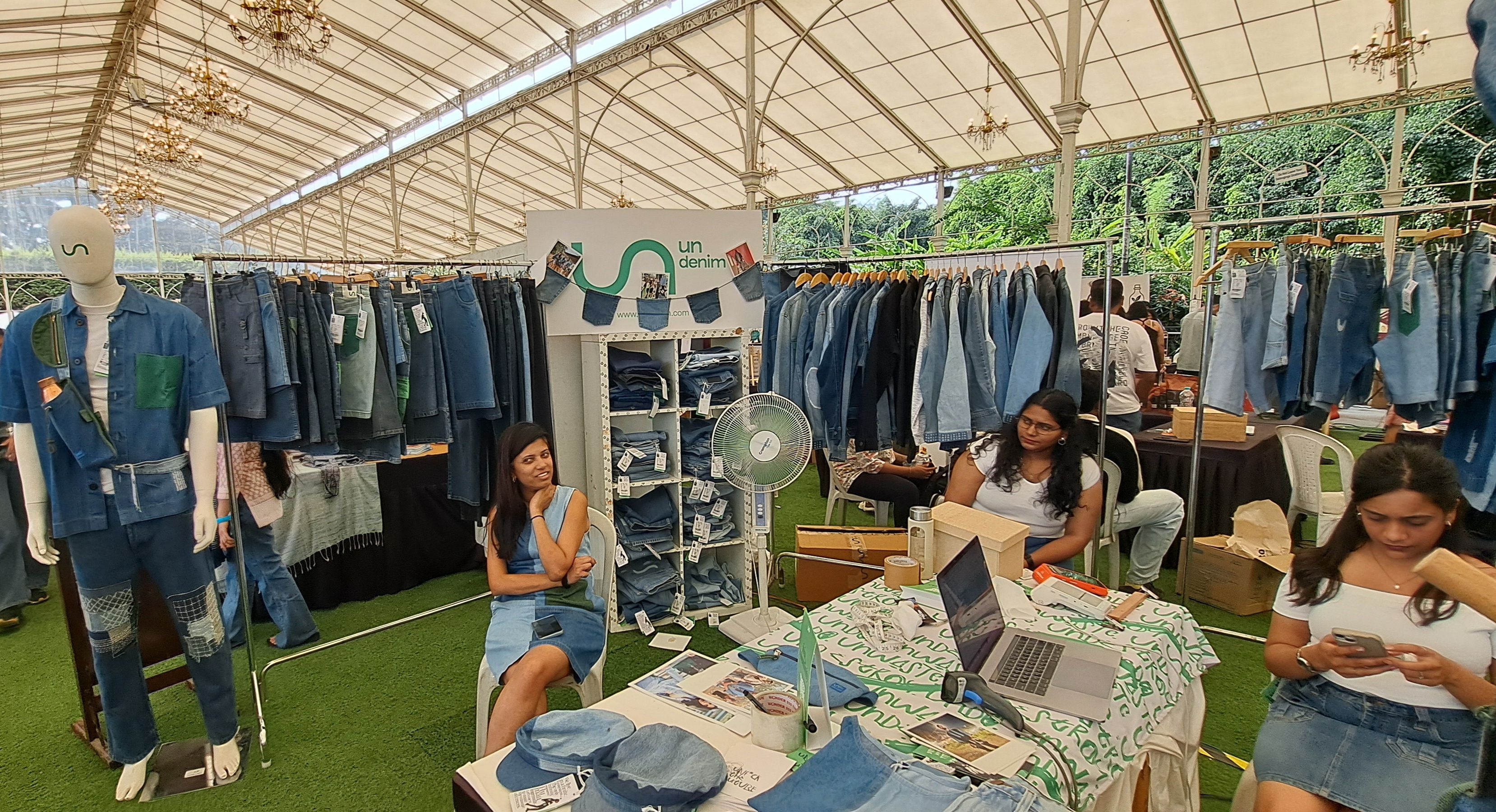
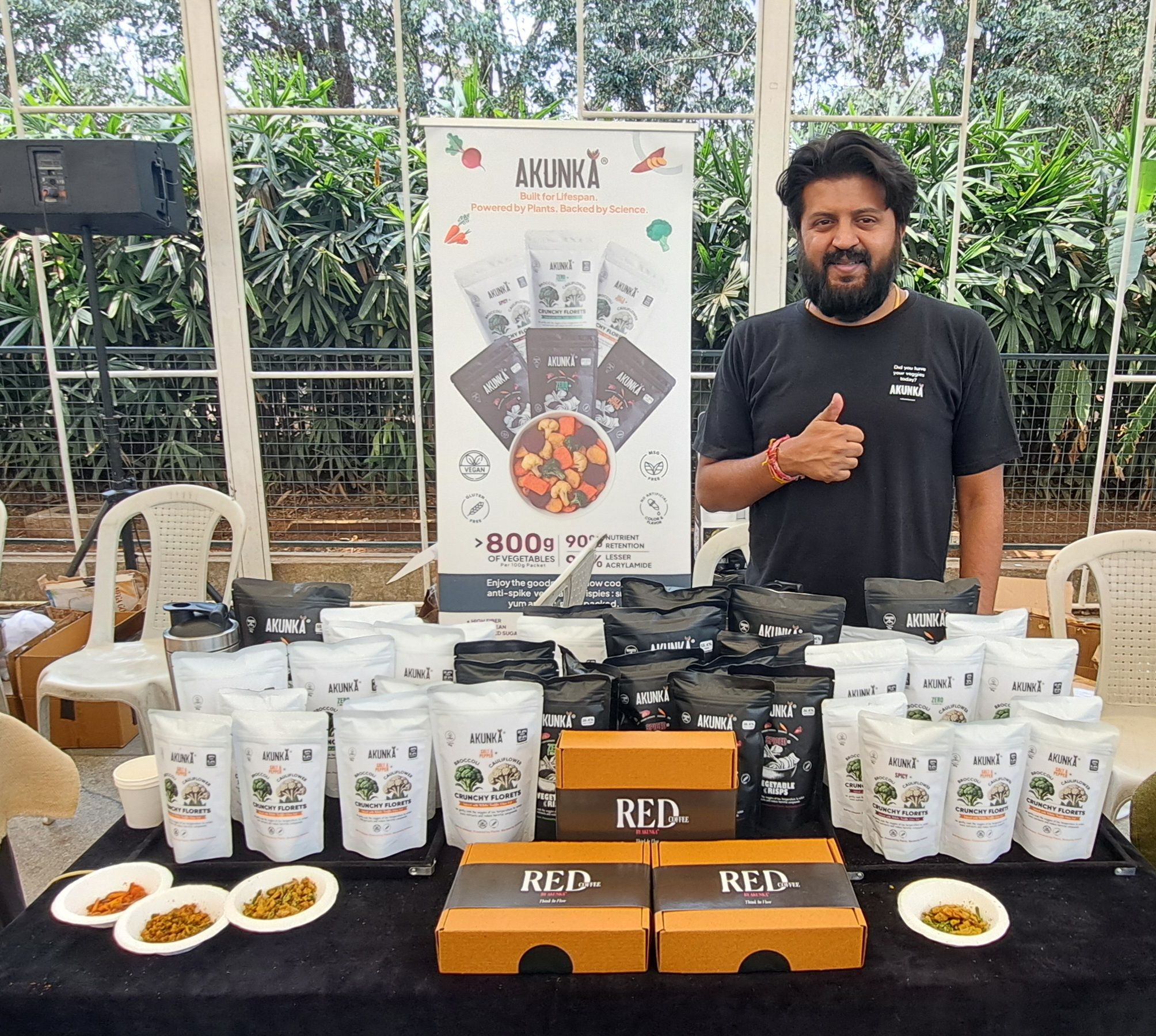
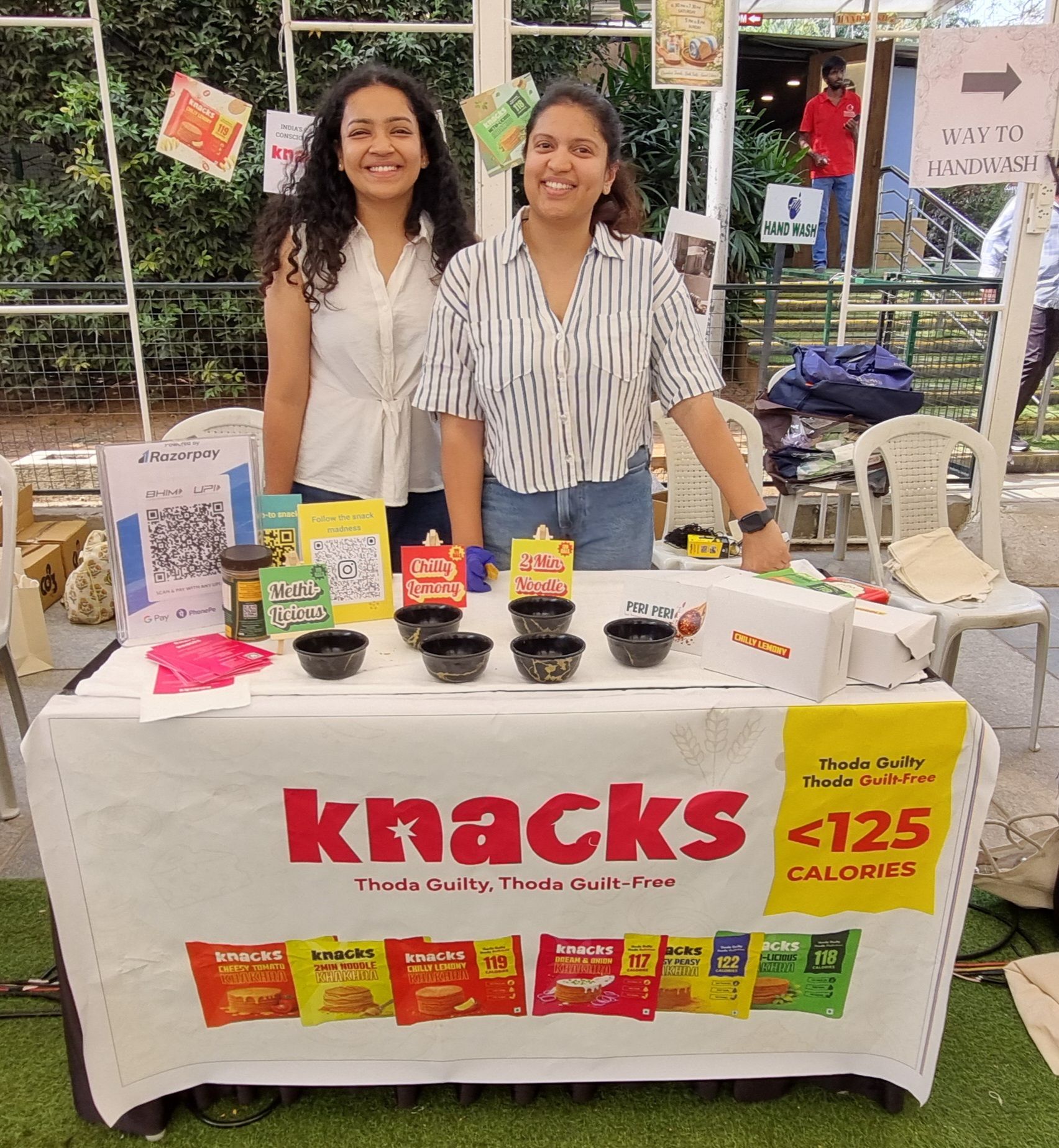
The diverse exhibition included vegan popsicles by The Perf Ice Candy, upcycled fashion from Un Denim, shop farm-fresh produce from Origin Fresh, and plant-based nutrition by Origin Nutrition. There were also natural snacks from ATE and Akunka, artisan spreads by Millie’s Vegan Cheese, eco-friendly cleaning products from Green Goobé, and vegan treats by Bliss by Anju.
As shown in this photo essay, the market included food stalls, plant-based desserts, and engaging kids activities. The market has evolved to become a lively weekend outing for families, food lovers and anyone curious about sustainable living.
“The Namu Recommends Vegan Market began by chance in 2021. What started as a small favour for a friend–organising a pop-up with homegrown vegan brands at her store–quickly turned into something much bigger,” Kini recalls.
Also Read How IIT Madras Incubation Cell is powering India’s next-gen deeptech startups
Interestingly, she had no prior experience in this space. “So I went in with a light disclaimer that no one might show up! Instead, hundreds of visitors poured in, and the stalls sold out within hours,” she describes.
“It was a clear sign that Bangalore was ready for something like this. Since then, the market has grown from 13 stalls to over 130,” she says, with pride.
The vision for the market has remained simple yet powerful. “We aim to support vegan brands and build greater awareness around veganism in India,” Kini says.
She points to a number of trends in India’s vegan space. “We are seeing increasing uptake of high-protein foods, ranging from protein powders and supplements to protein-rich snacks,” she observes.
Nutraceutical and longevity supplements tailored for vegans are becoming popular. “There is also a growing demand for vegan ice cream,” she adds.
However, there are also some misconceptions and myths about veganism. “There’s a misconception that vegans struggle to get enough protein, despite the wide availability of plant-based sources and supplements,” she says.
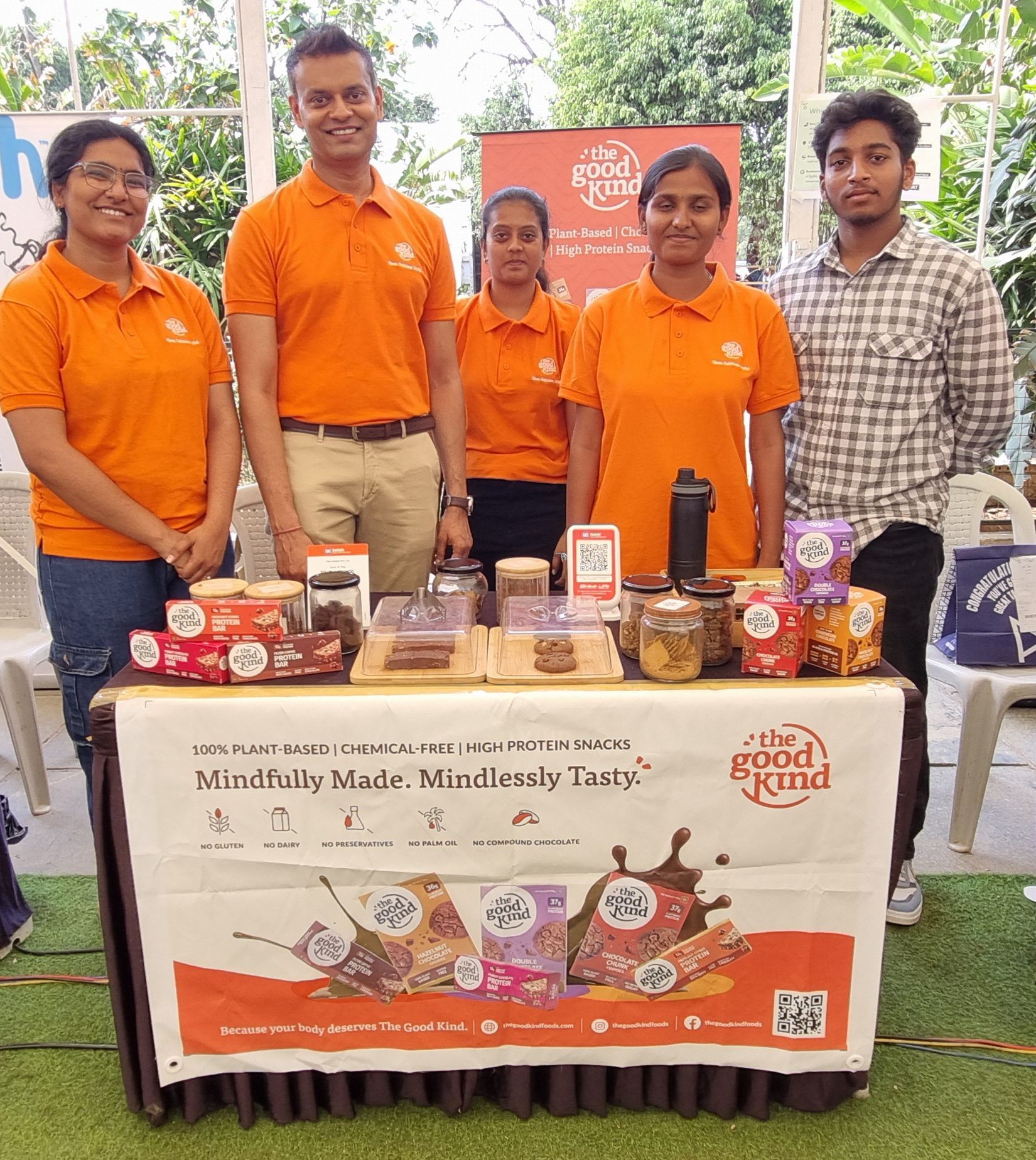
“Many also assume veganism is expensive. In reality, a large part of everyday Indian cuisine is naturally vegan," Kini describes.
This includes dishes like dal, rajma, chole, vegetable sabzis, idli, dosa, poha, upma, and roti. "All of these are staples that are both affordable and plant-based,” she says.
She also offers tips to aspiring 'veganpreneurs' or vegan entrepreneurs in terms of positioning. “Introducing a completely new category–or a product that is difficult to use–can be challenging,” she cautions.
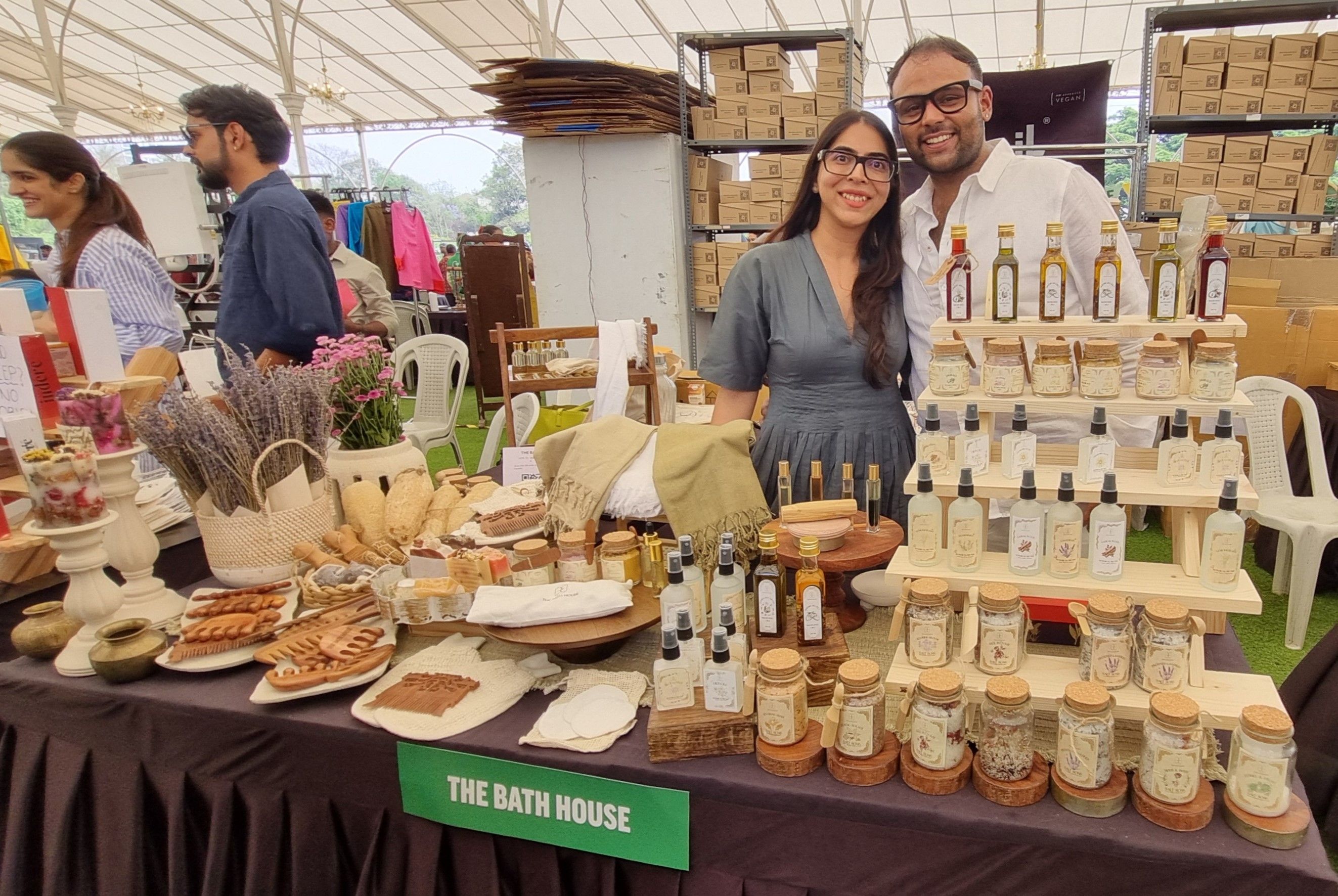
It is important to keep things simple. “The product should be easy to understand and easy to use. If it is a food product, it absolutely has to be delicious,” she emphasises.
“Rather than leading with a strong ‘vegan’ message in marketing, it can be more effective to focus on the product’s quality, taste and appeal first – especially since the category is still new for many consumers,” Kini signs off.
Now what have youdone today to pause in your busy schedule and harness your creative side for a better world?
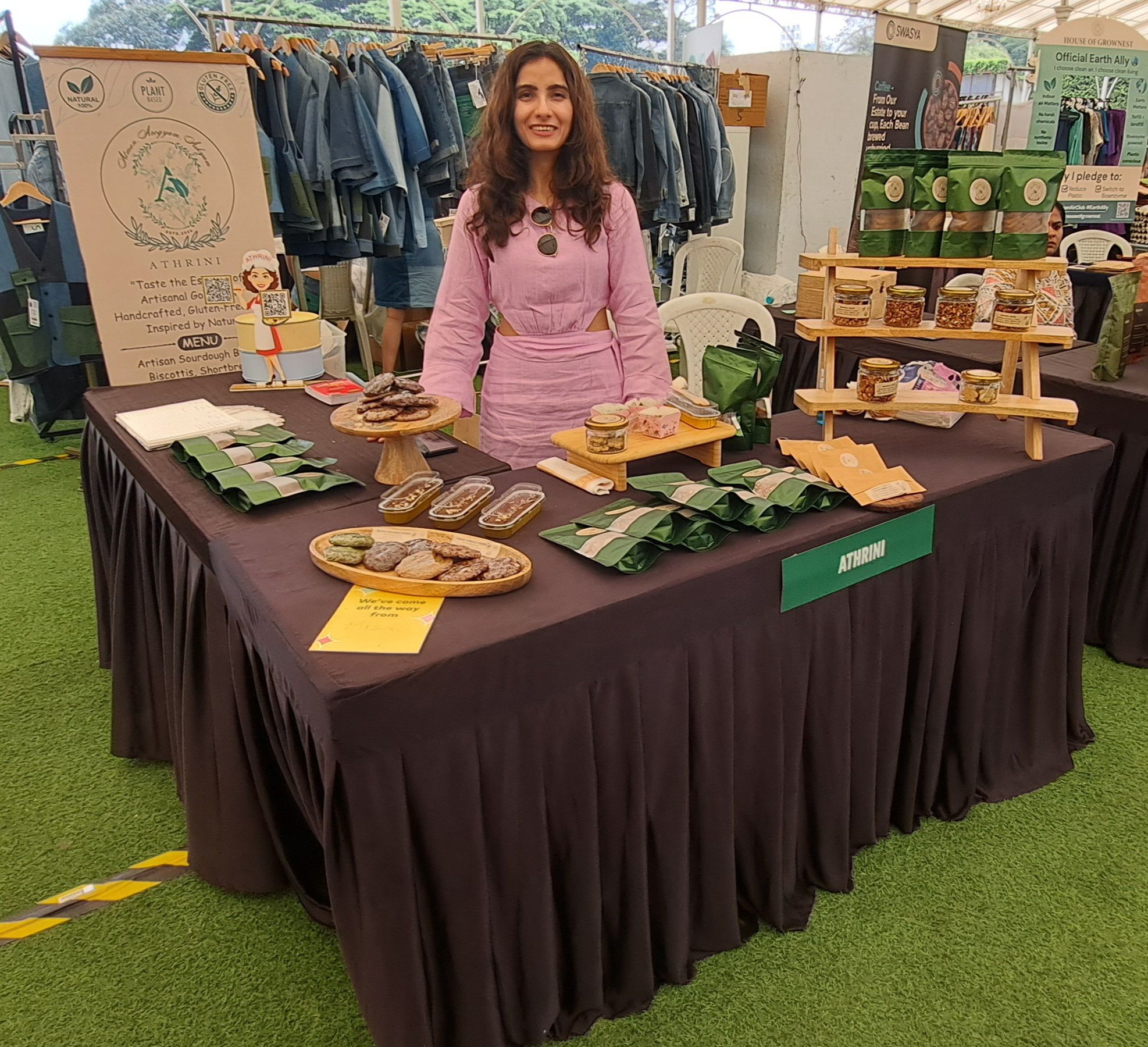
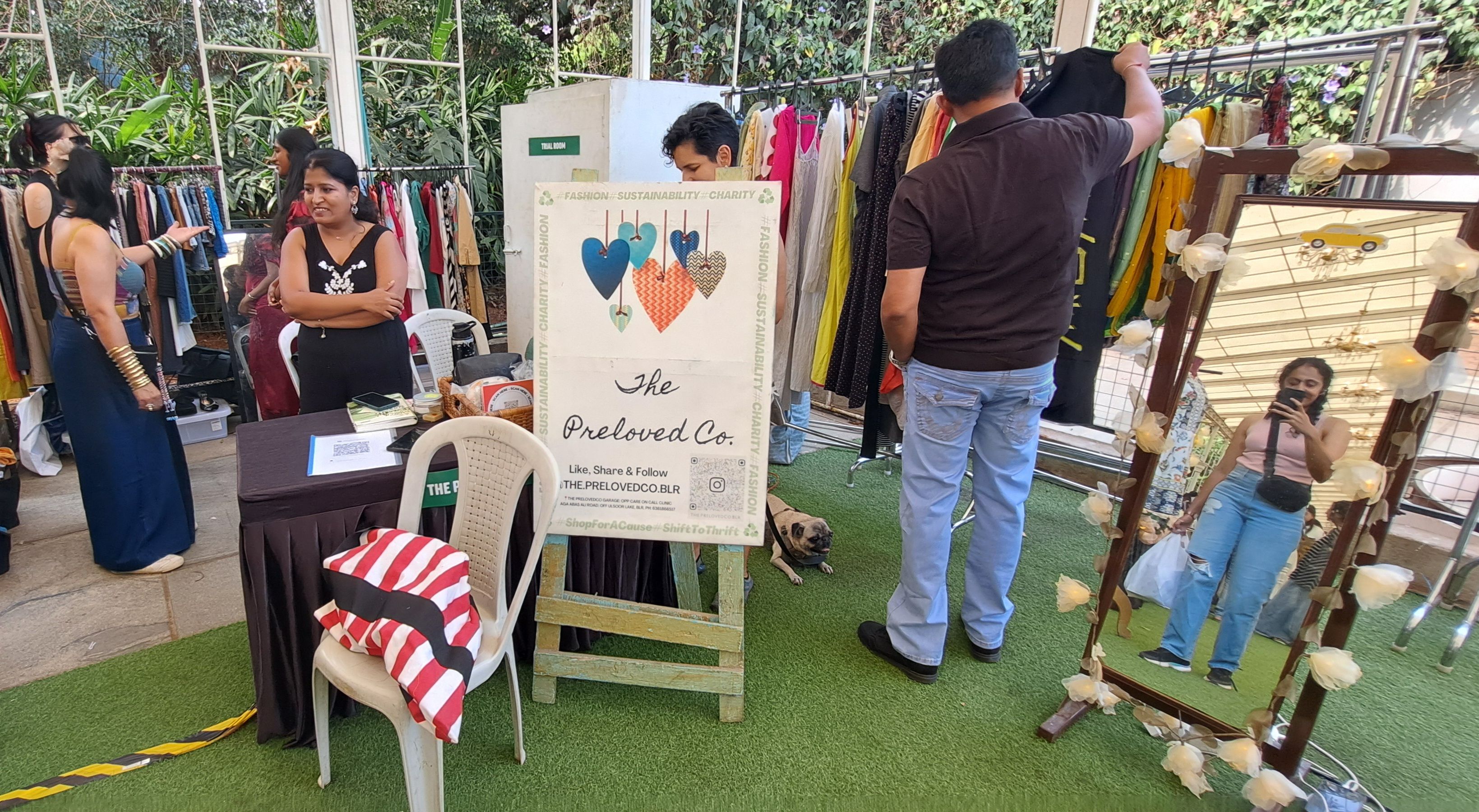
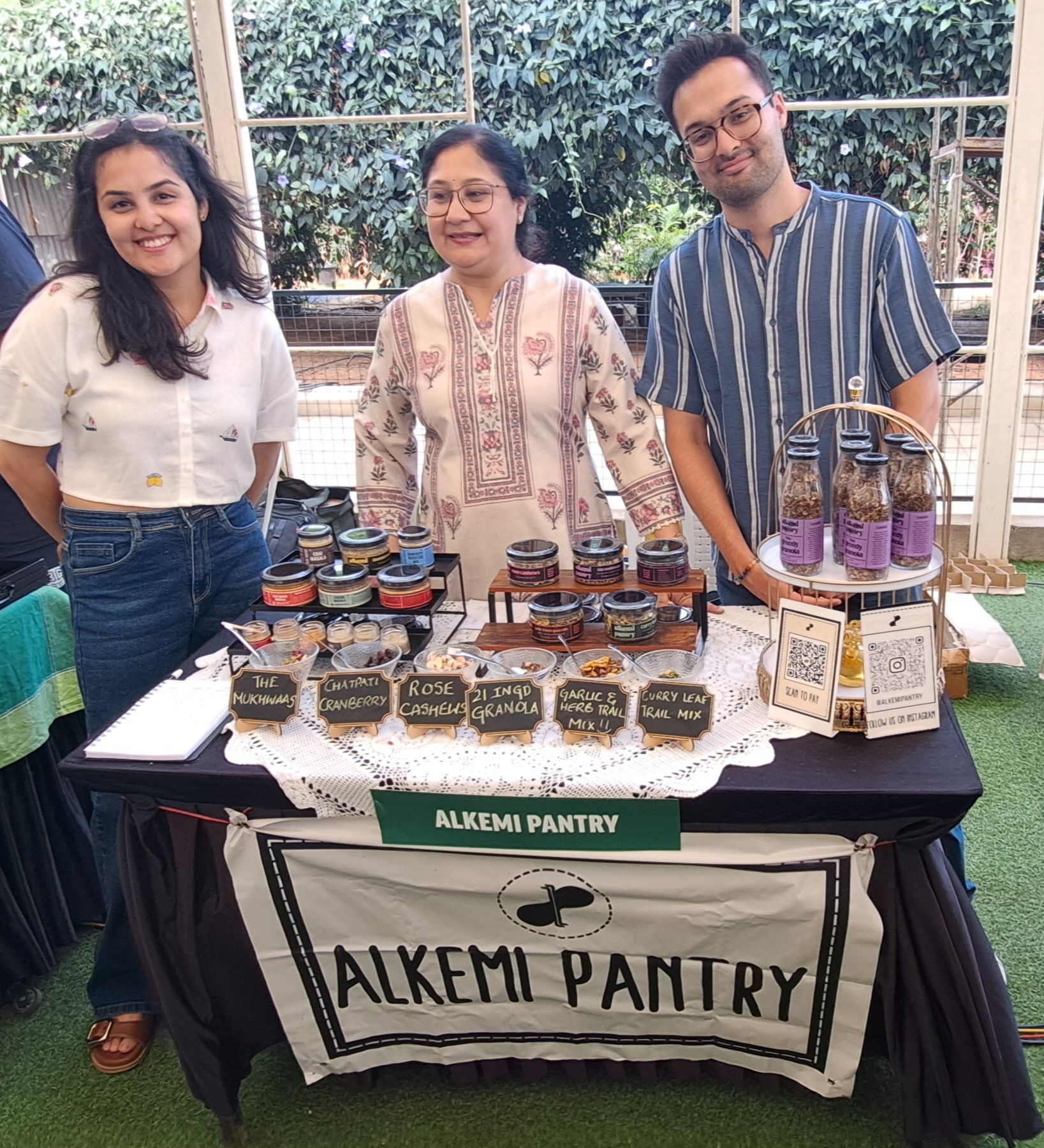
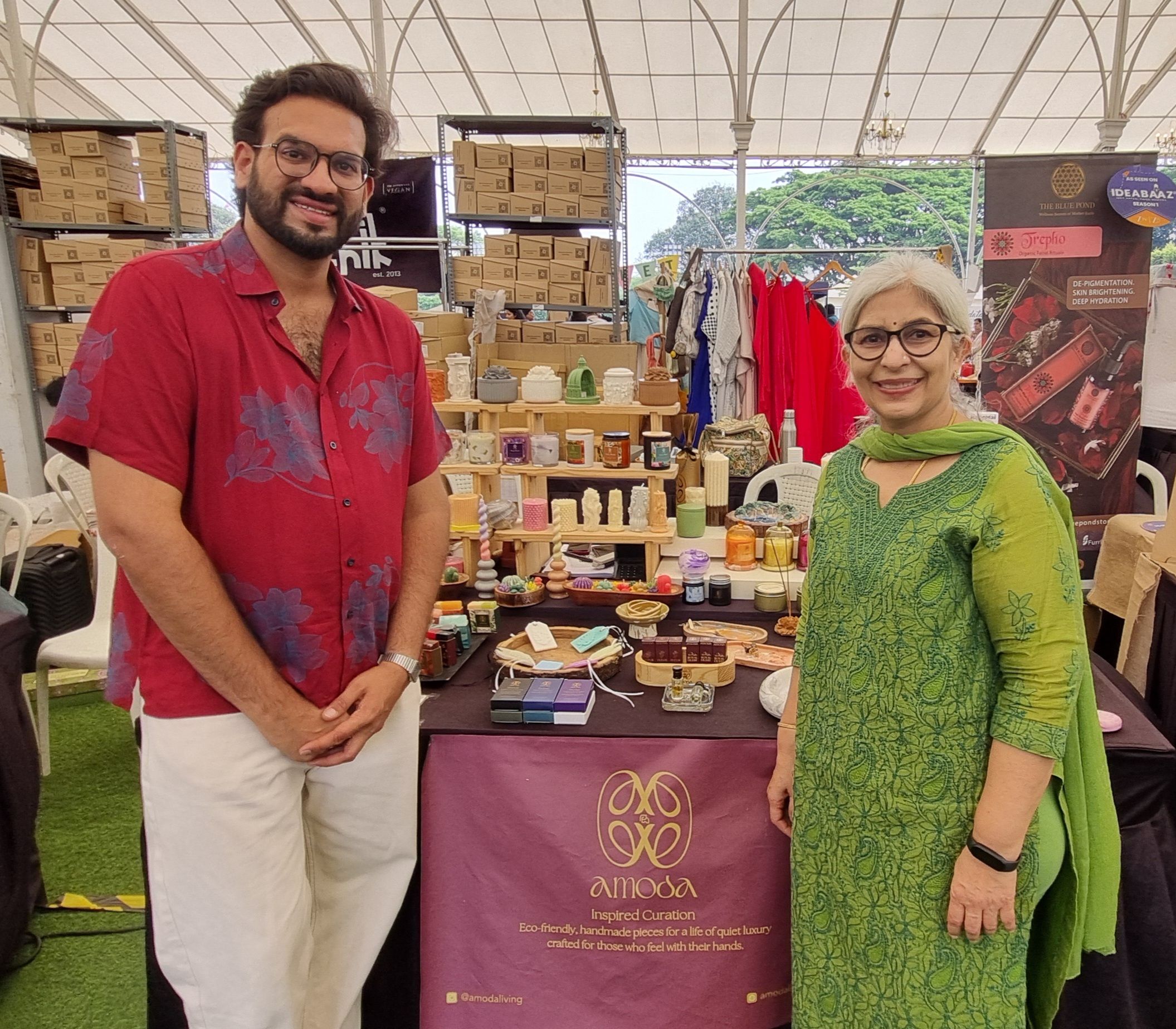
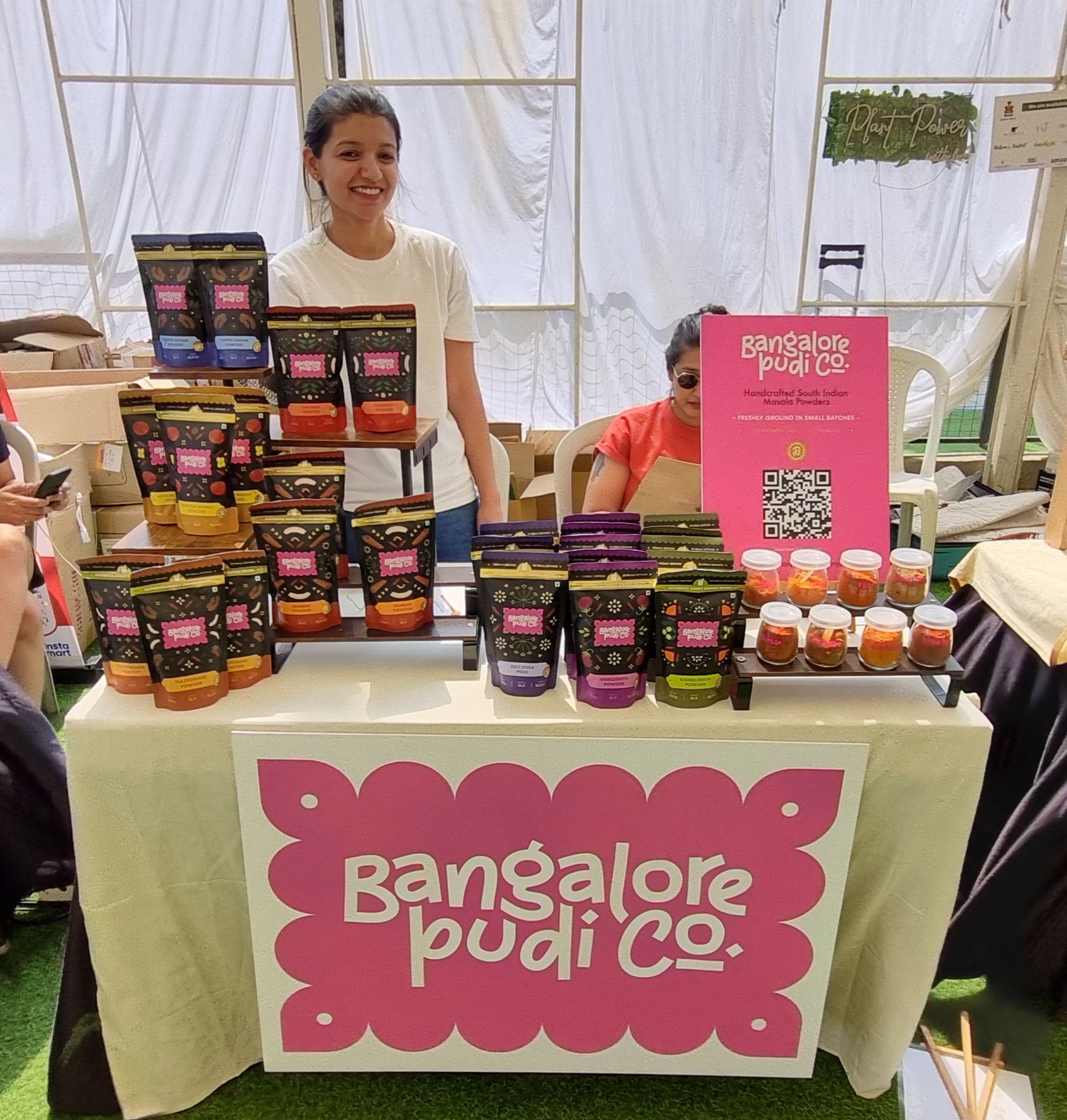
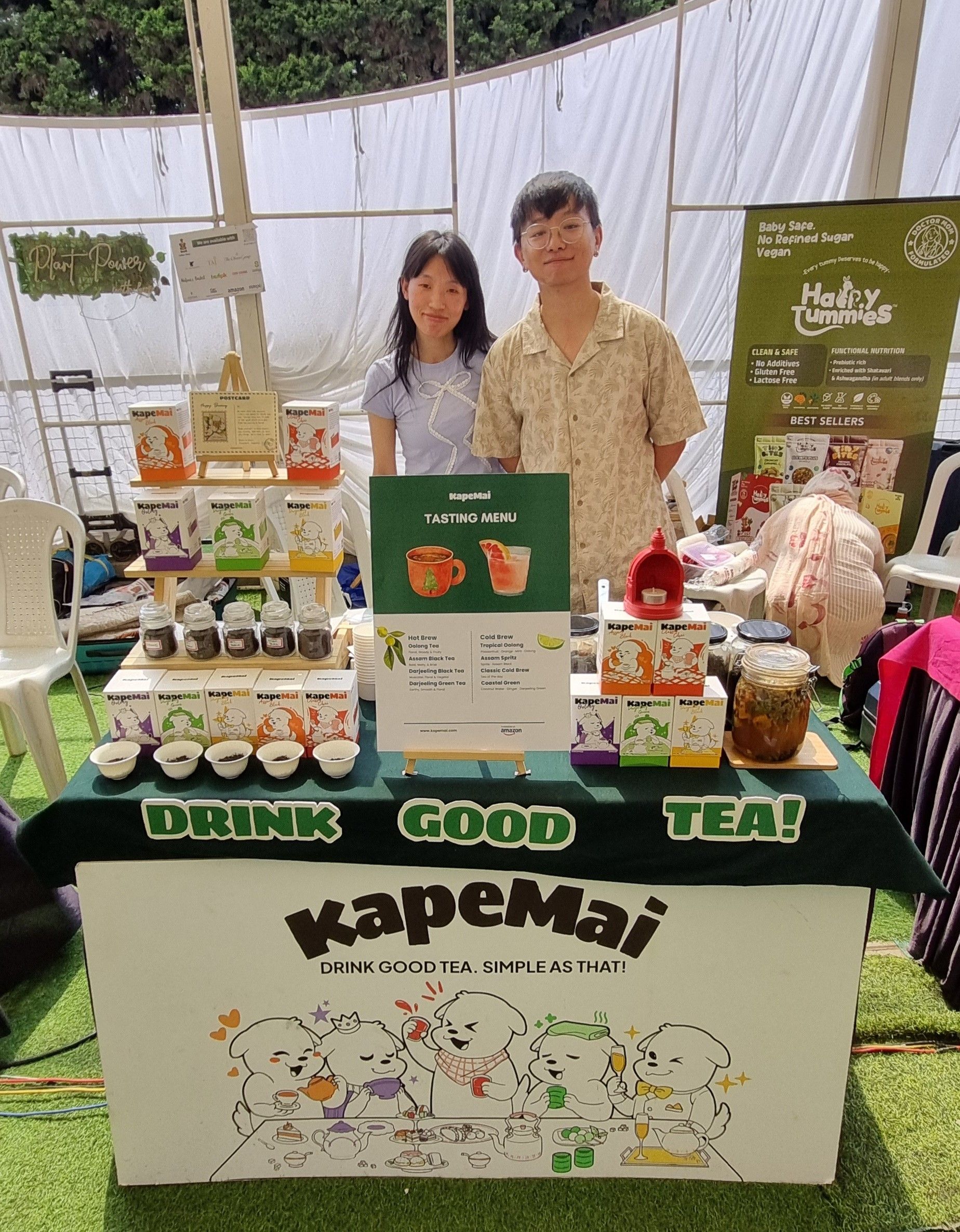
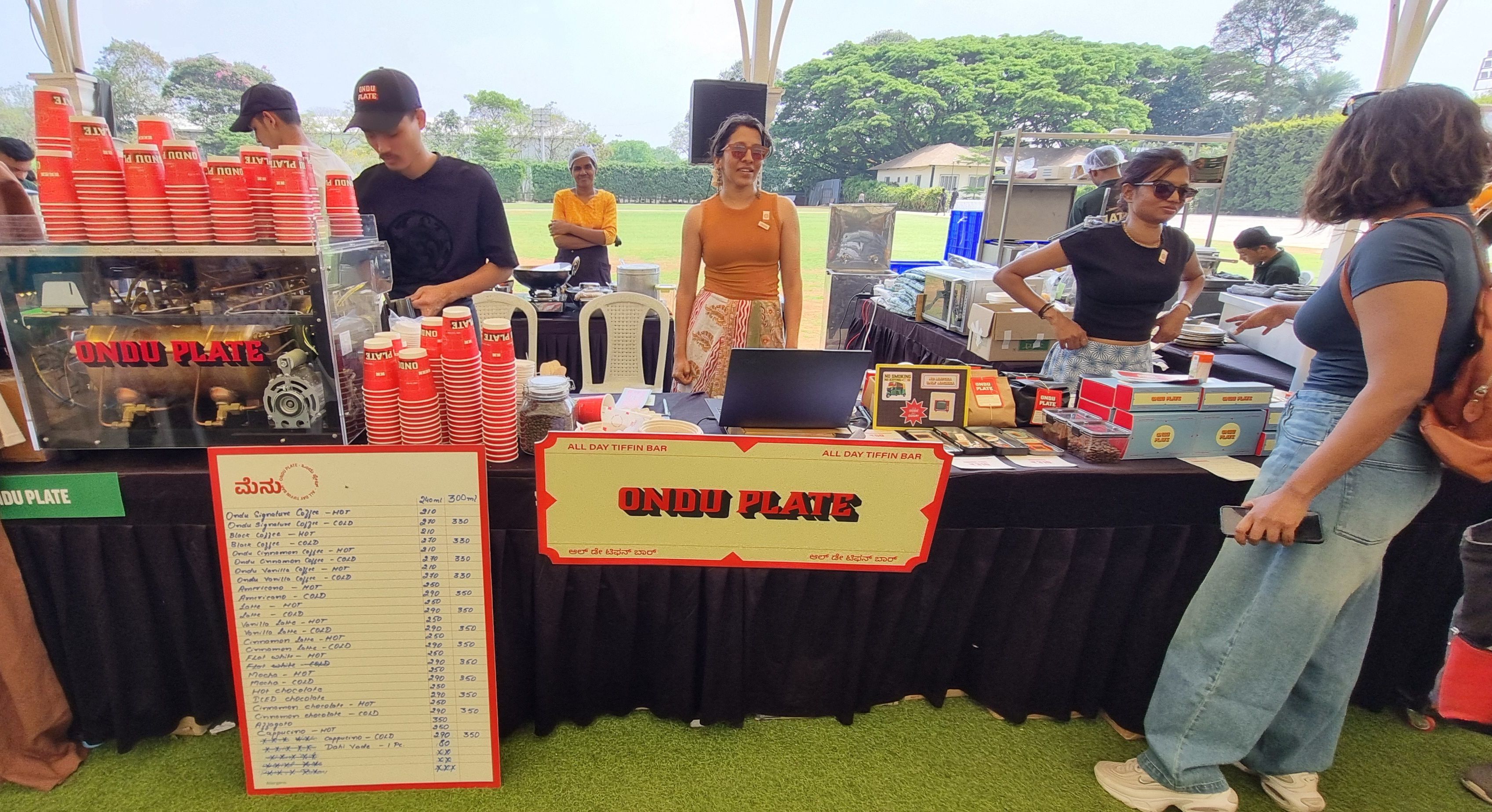
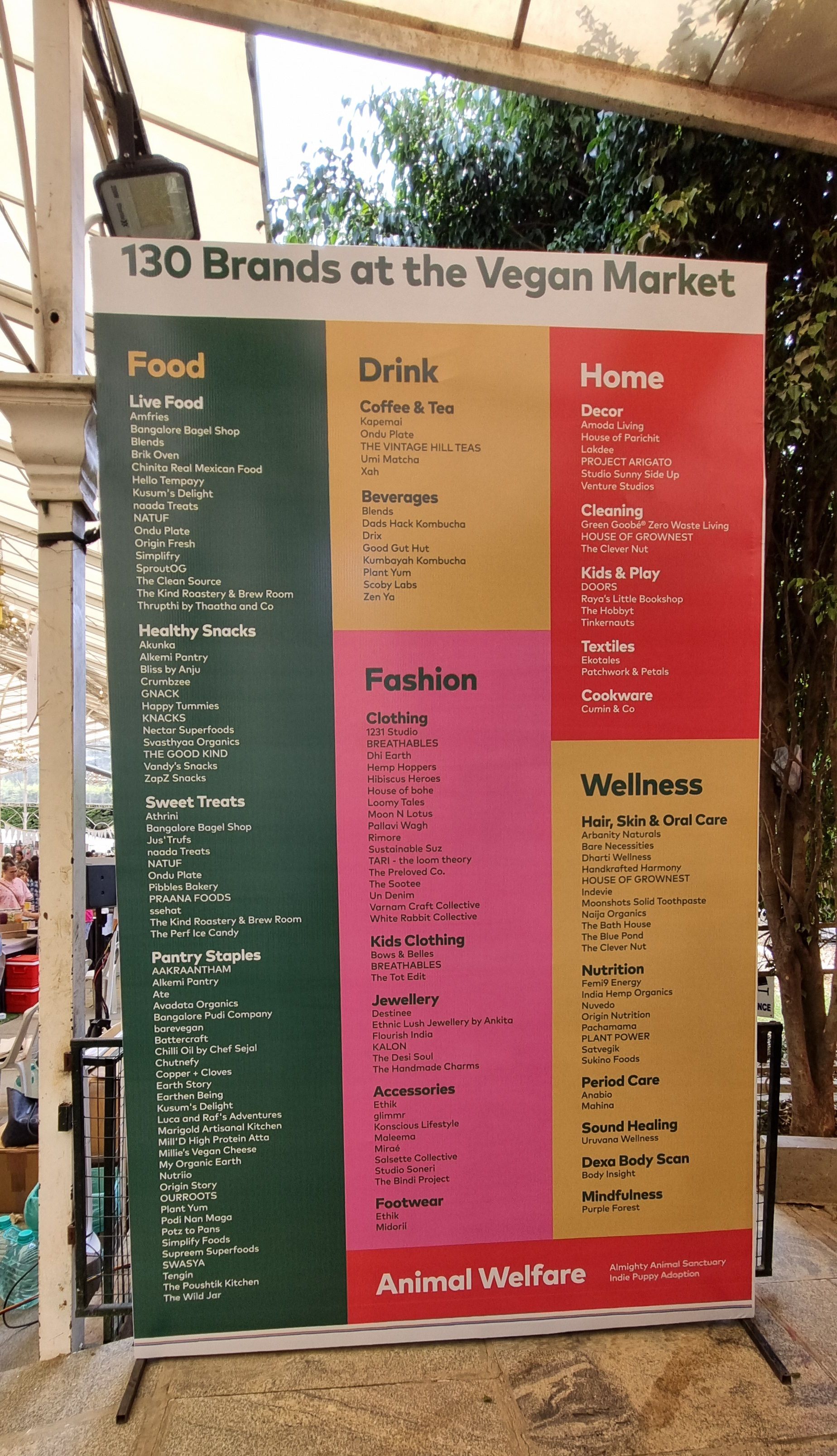

(All photographs taken by Madanmohan Rao on location at the vegan market.)
Original Article
(Disclaimer – This post is auto-fetched from publicly available RSS feeds. Original source: Yourstory. All rights belong to the respective publisher.)