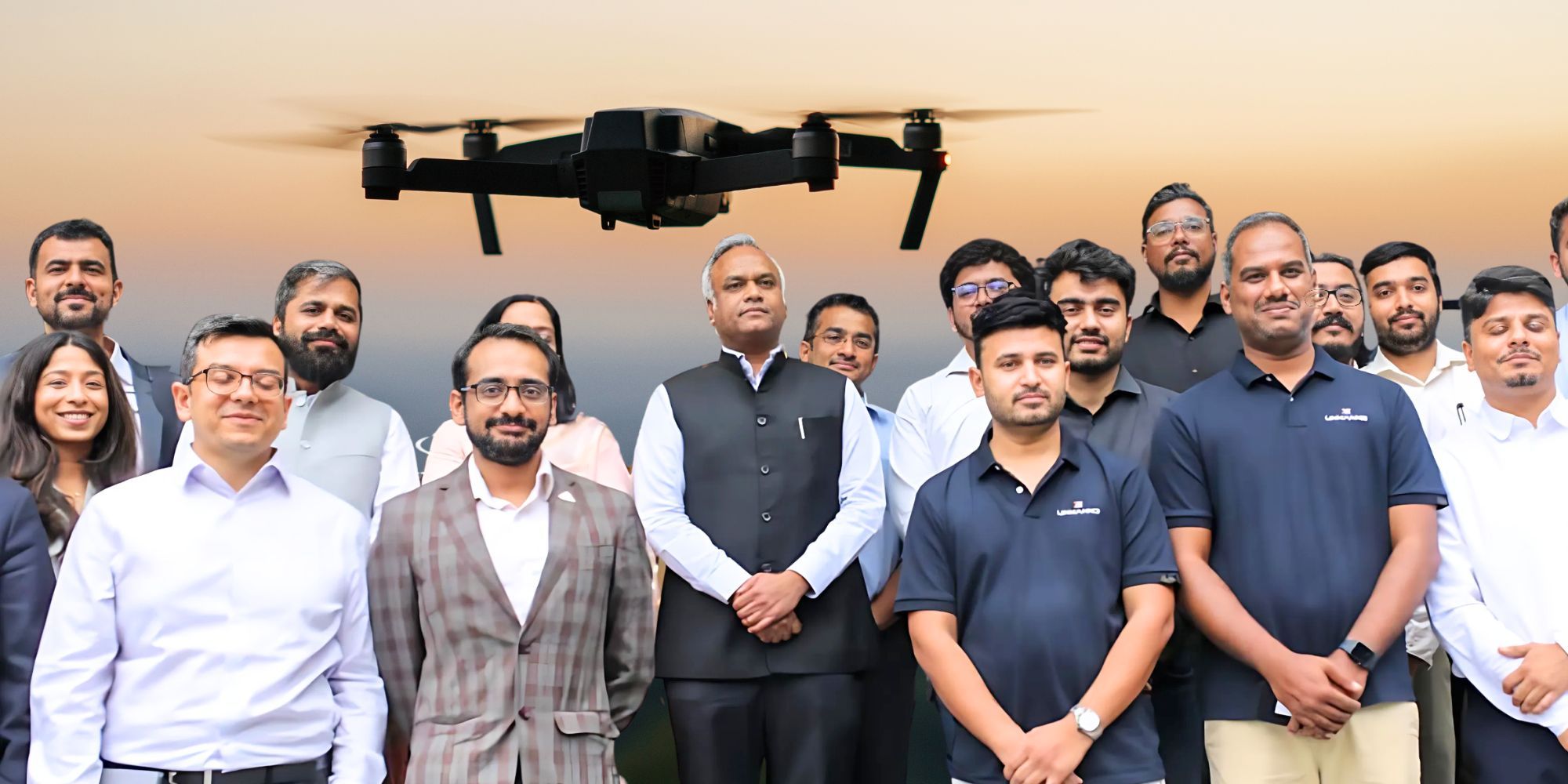
Minister Priyank Kharge convenes industry consultation with Drone Federation of India and leading startups, signalling expedited timelines on infrastructure, policy reforms, and a proposed annual Bengaluru Drone Festival.
Karnataka is moving to cement its position at the front of India's drone economy, with the state government on 15 May 2026 announcing an expedited push to set up a dedicated drone flight testing facility near Bengaluru alongside a refreshed policy framework for the sector.
The Karnataka drone policy consultation, chaired by IT/BT Minister Priyank Kharge, brought together founders, regulators and industry bodies to settle the next steps for testing infrastructure, regulatory simplification and public sector adoption.
The high-level meeting, convened by the Department of Electronics, IT, BT, in collaboration with the Drone Federation of India (DFI), drew participation from startups including Airbound, Vecros, CD Space Robotics, ideaForge, Aereo, Asteria Aerospace, LAT Aerospace, Newspace Research and Technologies, and Unmanned Autonomy.
The states that lock in usable testing infrastructure and clearer rules now are likely to attract the bulk of upcoming private and defence sector orders.
A state with the ecosystem, now building the runway
Karnataka has long been one of India's most active drone clusters, with a dense base of aerospace research talent and deep tech startups. According to available information, the Indian drone market is projected to grow from around $0.47 billion in 2025 to $1.39 billion by 2030, with the number of drones in active use expected to roughly double over the same period.
For a sector this hardware-intensive, access to certified flight testing space has been a persistent bottleneck, particularly for startups building beyond visual line of sight systems, heavy-lift platforms and autonomous payload deliveries.
The proposed flight testing facility near Bengaluru aims to close that gap, offering shared infrastructure for startups and industry to validate their platforms under controlled conditions. The government indicated it is exploring an accelerated operational approach, including early-stage access for industry, while parallel work continues on institutional frameworks, partnerships and supporting infrastructure.
What the consultation set out to fix
Beyond the testing facility, participants flagged the need for streamlined approvals, standard operating procedures and clearer enabling frameworks for emerging drone applications such as logistics, surveying and disaster response.
Skilling featured prominently, with plans to strengthen training pipelines and startup support mechanisms. The state also signalled an intent to scale up government adoption of drones across departments. A standout proposal was the launch of an annual Bengaluru Drone Festival, combining drone racing, hackathons, innovation showcases and public engagement.
Industry sources indicate the event is being positioned as a national-scale showcase, similar in ambition to how Bengaluru's tech and startup festivals have come to anchor those sectors.
Speaking at the consultation, Kharge said Karnataka is committed to leading India's drone economy by moving decisively on infrastructure, policy enablement and real-world adoption, and that the state is working to ensure Bengaluru becomes the preferred hub for this next wave of innovation.
Why does a drone testing facility actually matter
The platforms being built by Karnataka's startup base, heavy-lift logistics drones, fixed wing aircraft, hybrid VTOLs and autonomous systems, need to be tested over long ranges, at altitude, beyond visual line of sight, and often with payloads that current rules treat with caution.
Without a dedicated facility, startups typically face long approval cycles, restricted airspace, and limited slots at existing defence test ranges. A state-backed testing hub with pre-cleared airspace and certification support can compress months of regulatory navigation into weeks, allowing companies to move products to market sooner.
What happens next
The state's commitments now move from declaration to delivery. Industry will be watching for the timeline on the testing facility's first operational phase, the publication of revised SOPs, and the formal calendar for the Bengaluru Drone Festival. If Karnataka can move on all three within the current financial year, it will have set a benchmark for other drone-active states such as Tamil Nadu, Telangana and Maharashtra to respond to.
Original Article
(Disclaimer – This post is auto-fetched from publicly available RSS feeds. Original source: Yourstory. All rights belong to the respective publisher.)