Artificial intelligence is changing how ideas are generated, brands are built, and businesses are scaled. As industries adapt, the challenge facing educators is no longer whether students should learn AI, but how they can combine technological fluency with creativity, craftsmanship, and entrepreneurial thinking to thrive in a rapidly evolving world.
At Pearl Academy, India’s AI-first design institution, that challenge is shaping a new model of learning. Through AI-integrated curricula, institution-wide AI adoption, industry immersion, and direct engagement with global leaders, the academy is preparing students for careers, in which success will depend not on choosing between human and artificial intelligence, but on leveraging both.
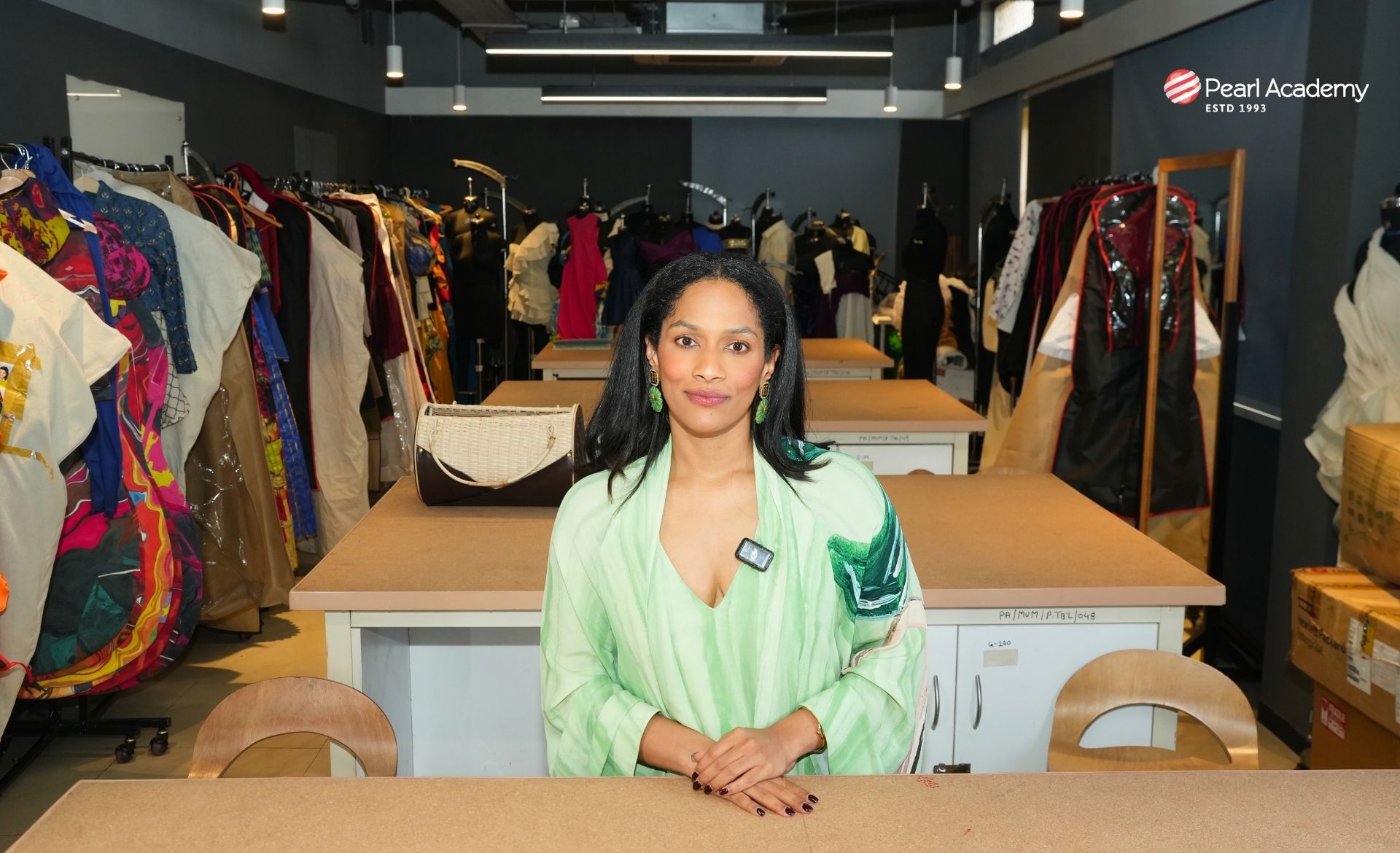
That vision was reflected in a recent edition of Pearl Academy’s Global Icons Series, where internationally acclaimed couturier Rahul Mishra, entrepreneur Masaba Gupta, and luxury designer Jayanti Reddy shared insights on originality, innovation, entrepreneurship, and the skills that will define the future of creative careers.
While their journeys have been vastly different, their message to students was remarkably consistent: AI may transform industries, but creativity, craftsmanship, human judgment, and entrepreneurial thinking will remain the foundations of lasting success.
The industry speaks: Originality, craftsmanship, and the human edge
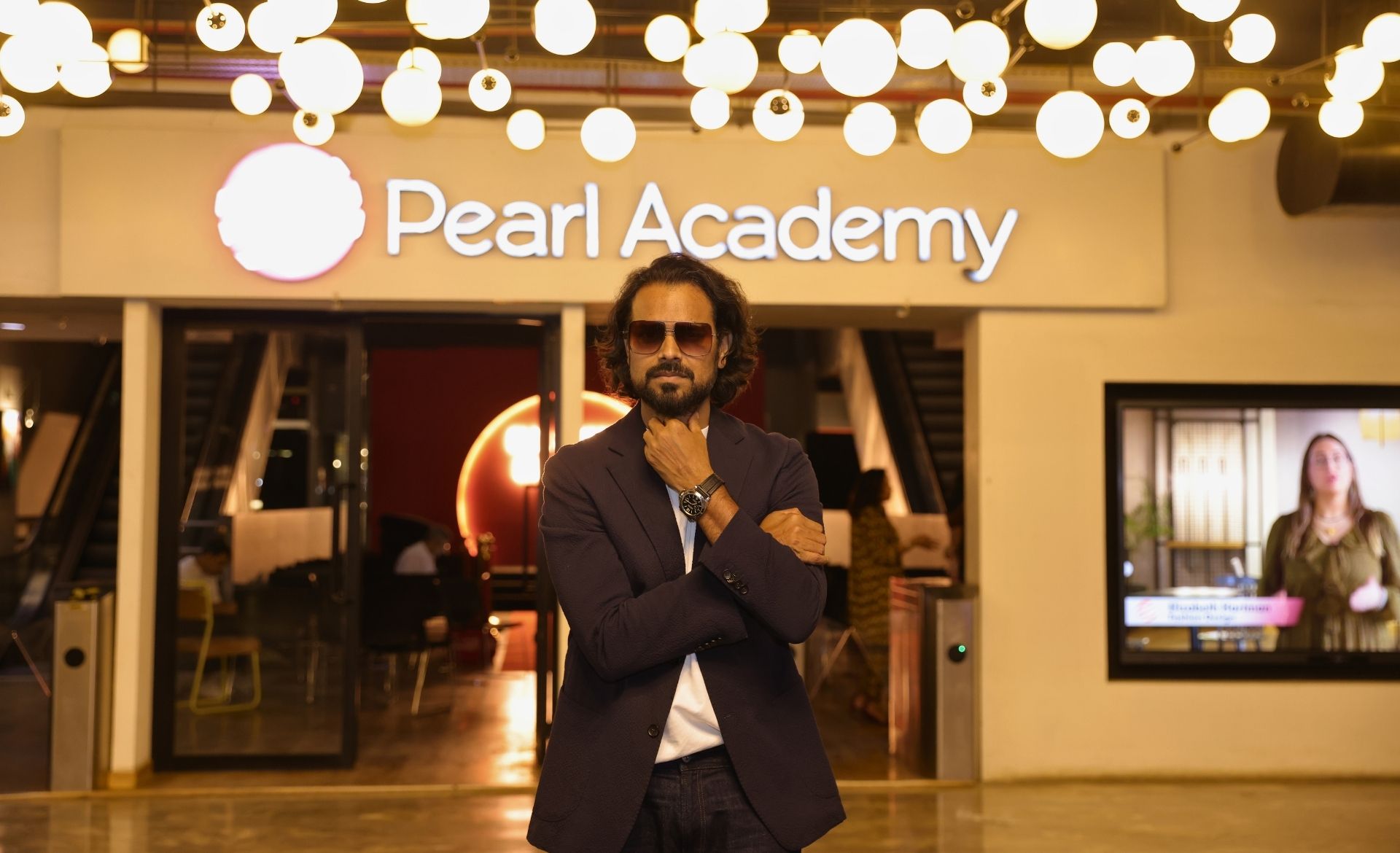
Rahul Mishra opened with a provocation. “We never design alone,” he told the room. “AI is simply another assistant—faster and wider in perspective. But the physical making, the craftsmanship, the human hand? That remains irreplaceable.”
While acknowledging AI as a powerful collaborator, Mishra urged students to focus on something even more important: purpose. “People can teach you techniques and processes, but the reason you want to create something—the purpose behind your work—is something you have to discover for yourself.”
In a world where technology can accelerate execution, he argued, purpose and perspective will increasingly define originality.
Masaba Gupta arrived at a similar conclusion from a different angle. Her message was direct: “AI will not replace you. It will replace the person who doesn’t embrace AI.”
She described how creative workflows that once took days can now take minutes. But rather than making human thinking obsolete, AI is raising the bar for what human thinking must deliver.
Jayanti Reddy added a dimension often overlooked in conversations about creative careers: business.
“I spend only 10% of my time creating today. The other 90% is business.”
Having built one of India’s leading luxury bridal brands, Reddy reminded students that creativity may open doors, but scaling a successful enterprise demands leadership, systems, financial discipline, and resilience. Reflecting on her own journey, she emphasised that strong brands are built through years of experimentation, learning, and persistence—not overnight success.
All three agreed on one thing: creative education cannot stay where it is while the world moves forward. As AI reshapes how people create, build, and work, they pointed to Pearl Academy’s approach as an example of how institutions need to evolve: by integrating AI into learning while continuing to develop the creativity, originality, and entrepreneurial mindset that drive real impact.
They emphasized that preparing students for this shift is no longer a future conversation; it needs to happen now.
Beyond inspiration: Why direct industry access changes everything
What made these sessions different from a typical masterclass was how students engaged. These were not passive audiences. Students asked questions about navigating failure, managing creative burnout, pricing their work, building teams, embracing AI, and building sustainable careers. In return, they received candid insights, hard-earned lessons, and unfiltered perspectives from leaders who have built some of India’s most influential creative businesses.
That kind of access is rare. Most students encounter industry leaders only after graduation. Pearl Academy has inverted the model. The industry comes to the classroom.
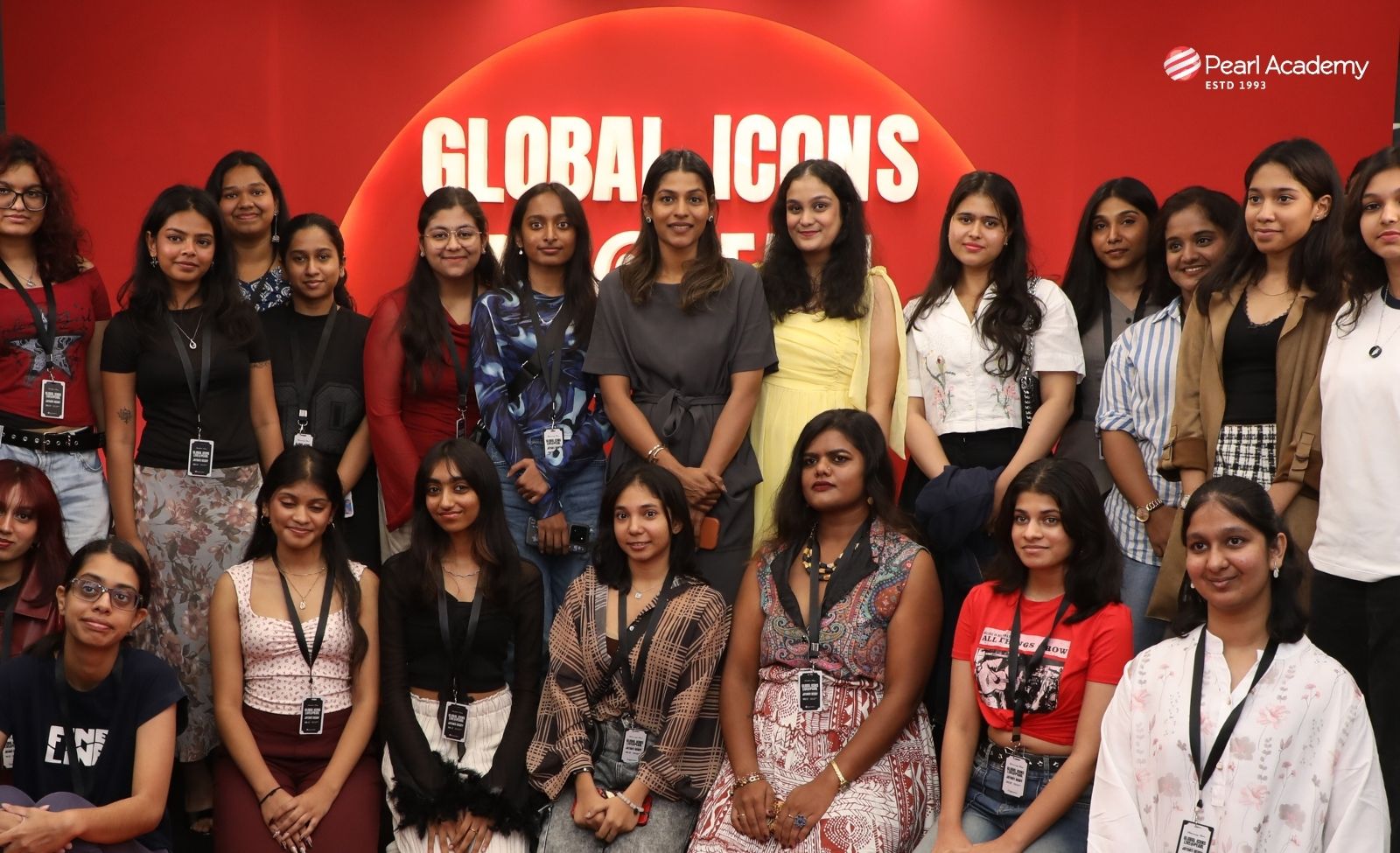
The Global Icons Series is part of a broader experiential learning ecosystem that brings entrepreneurs, CEOs, designers, innovators, and changemakers directly into the learning journey. Across campuses, students work on live industry projects, industry immersions, consulting assignments, and real-world business challenges, applying classroom learning in professional contexts.
Strengthened through collaborations with organizations and institutions such as Harvard, EY India, FDCI, Reliance Brands, realme, and other industry partners, alongside global exposure opportunities, this approach ensures students graduate with more than academic knowledge.
The AI-first classroom: Preparing future-ready professionals
Built around a human intelligence + artificial intelligence philosophy, Pearl Academy positions AI as a collaborator that enhances creativity, innovation, research, and problem-solving while keeping human judgment, originality, and critical thinking at the centre of learning.
Today, more than one-third of the curriculum is AI-integrated, enabling students to work with generative AI tools, AI-assisted workflows, and emerging technologies relevant to their disciplines. This approach is supported through a collaboration with OpenAI, institution-wide implementation of OpenAI Edu, AI-enabled pedagogy, faculty upskilling, evolving assessment frameworks, and emerging agentic AI learning support systems.
This is not AI as a feature. It is AI as infrastructure.
Ready to learn at India’s AI-first design institution? Admissions are open. Apply Now.
The takeaway for the next generation
Mishra, Gupta and Reddy agreed that the time to embrace technology is now. As AI becomes embedded across industries, it will augment human creativity, expand possibilities, and redefine how ideas come to life. The future will be shaped by those who can bring together the best of artificial and human intelligence.
Students need to prepare for this reality through a combination of AI-integrated learning, live industry projects, global collaborations, entrepreneurial experiences, and direct access to the leaders shaping business and creative industries today.
At Pearl Academy, the goal is not simply to prepare students for jobs. It is about developing professionals who are domain ready, AI ready, life ready, and future ready—equipped with the expertise, adaptability, entrepreneurial mindset, and technological fluency needed to succeed in a rapidly changing world.
(Disclaimer: The views and opinions expressed in this article are those of the author and do not necessarily reflect the views of YourStory.)
Original Article
(Disclaimer – This post is auto-fetched from publicly available RSS feeds. Original source: Yourstory. All rights belong to the respective publisher.)