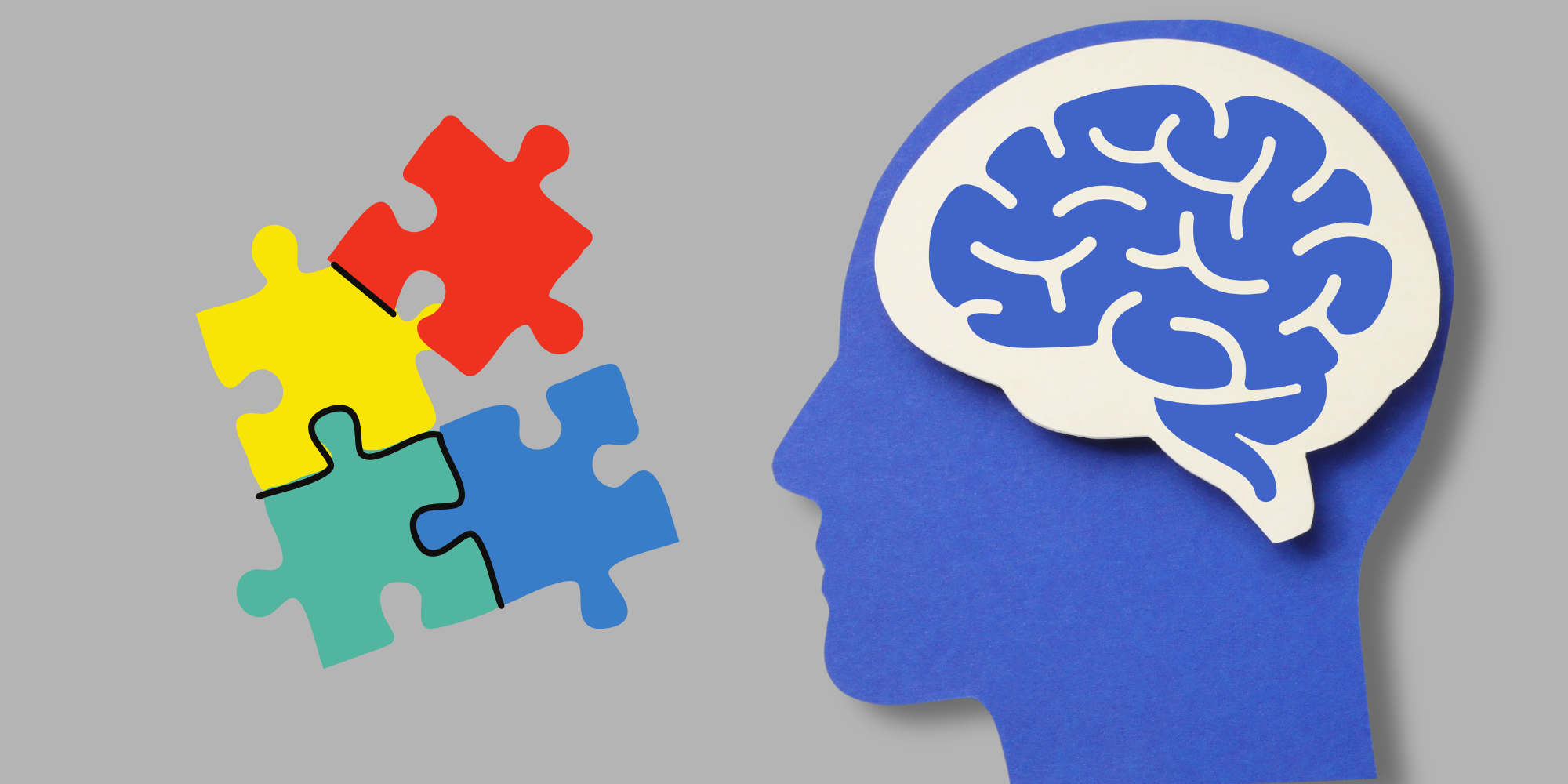
Your brain loves a challenge.
Just like muscles get stronger with exercise, the brain becomes sharper when it solves problems. Puzzles are one of the simplest ways to stimulate thinking, memory, and focus. They force the brain to analyse patterns, recall information, and plan solutions.
Research increasingly supports this idea. Studies show that people who regularly engage with puzzles often perform better in memory tests, reasoning tasks, and verbal skills. While puzzles are not a cure for neurological conditions, they can help maintain mental sharpness over time.
Here are 5 puzzles that researchers and educators believe can meaningfully strengthen cognitive skills.
5 mind puzzles to boost cognitive skills
Sudoku: Training logical thinking
Sudoku is one of the most popular logic puzzles in the world, and for good reason. It challenges players to fill a grid using numbers 1 to 9 without repeating them in rows, columns, or boxes.
The puzzle relies entirely on logical deduction rather than guessing. Studies using brain imaging techniques have shown that Sudoku activates the left prefrontal cortex, the part of the brain responsible for reasoning, decision-making, and problem-solving.
Key benefits:
• Logical reasoning
• Pattern recognition
• Sustained concentration
Because every move affects future possibilities, Sudoku encourages mindful thinking and structured problem-solving.
Jigsaw puzzles: Strengthening visual memory
Jigsaw puzzles may look simple, but they require several mental skills working together at the same time.
Players must analyse shapes, colours, and spatial relationships to determine where each piece belongs. This process trains visual perception and short-term memory. The brain constantly compares patterns and stores temporary information about where pieces might fit.
Key benefits:
• Improved visual-spatial reasoning
• Stronger short-term memory
• Enhanced problem-solving
They are especially useful for training the brain to process visual information quickly and accurately.
Tower of Hanoi: Testing planning ability
The Tower of Hanoi is a classic puzzle often used in psychology experiments. It involves moving discs between 3 rods while following strict rules: only one disc can move at a time, and a larger disc cannot be placed on top of a smaller one.
This puzzle is frequently used in neuropsychology to measure executive function. Executive function refers to the brain's ability to plan, organise actions, and control impulses.
Key benefits:
• Forces players to plan several steps ahead
• Tests impulse control
• Requires rule-based reasoning
Solving the puzzle successfully requires patience and strategic planning rather than trial and error.
Nonograms: Activating visual logic
Nonograms combine logic puzzles with visual pattern recognition. Players use number clues to determine which squares in a grid should be filled to reveal an image. Each row and column contains clues that guide the solution.
Unlike word puzzles, Nonograms rely heavily on visual logic processing. Research shows that this activates different brain systems associated with pattern detection and deductive reasoning.
Key benefits:
• Deductive reasoning
• Visual pattern detection
• Sustained attention
Because the puzzle gradually reveals a picture, it also provides strong motivation to continue solving.
Also Read 10 Hidden tips to boost your memory effectively today
Crosswords: Training memory and vocabulary
Crosswords are among the most researched puzzles in cognitive health studies. They require players to retrieve words from memory based on clues. This process stimulates what neuroscientists call semantic networks. These are the brain systems that store and organise knowledge.
A Columbia and Duke University study involving adults with mild cognitive impairment found that participants who solved crossword puzzles over several weeks showed improved memory and daily functioning compared with those who played cognitive video games.
Key benefits:
• Vocabulary retrieval
• Verbal memory
• Knowledge recall
Some long-term studies even suggest that frequent crossword solving may slow cognitive decline, although puzzles alone cannot prevent neurological diseases.
Why puzzles matter for brain health
Large studies analysing lifestyle habits have found that activities such as puzzles, board games, and quizzes are strongly linked to higher reasoning and memory scores. One analysis involving more than 9,000 participants found that puzzle activities explained about 7 to 9% of differences in cognitive performance among individuals.
The reason is simple. Puzzles push the brain to adapt. Every time the brain solves a new challenge, it forms and strengthens neural connections. Over time, this builds what scientists call cognitive reserve, which helps the brain stay resilient as people age.
The takeaway
Puzzles are powerful mental workouts. Sudoku strengthens logic. Jigsaw puzzles improve visual memory. The Tower of Hanoi trains planning. Nonograms sharpen pattern detection. Crosswords enhance language and recall. Adding even a few minutes of puzzle solving to your daily routine can keep the brain active and engaged. And sometimes, the simplest games can deliver the smartest benefits.
Original Article
(Disclaimer – This post is auto-fetched from publicly available RSS feeds. Original source: Yourstory. All rights belong to the respective publisher.)