Synopsis: India’s electric two-wheeler industry is facing fresh cost pressure as lithium-ion cells, rare earth magnets, and key electronic components become more expensive globally. Companies like Bajaj Auto, Hero MotoCorp, Ather Energy, and Revolt Motors are either raising prices or expected to do so soon, signalling that EV prices may remain elevated despite ongoing government subsidies.
India’s electric two-wheeler industry is entering a fresh cost pressure cycle, with the biggest challenge coming from the battery ecosystem. Lithium-ion cells remain heavily import-dependent, while global mine disruptions and export restrictions have sharply increased lithium prices over the past few months.
At the same time, China’s dominance in rare earth processing continues to create supply risks for EV motor manufacturing, making it increasingly difficult for companies to absorb rising input costs without increasing prices.
Also, semiconductor availability remains tight for automotive-grade chips, and commodity inflation in copper and aluminium is further increasing manufacturing costs. These components collectively make up a significant share of an electric scooter’s cost structure, leaving manufacturers with limited room to absorb inflation internally. This is why price hikes are now becoming industry-wide rather than company-specific.
What Companies Are Doing To Manage Costs
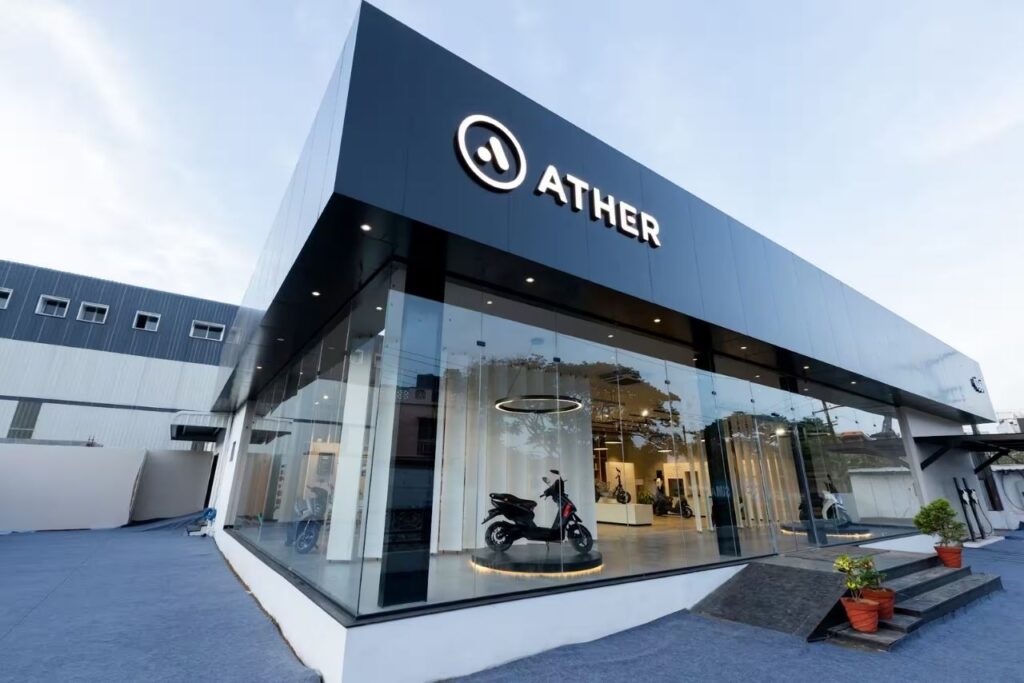
Ather Energy was among the first to openly acknowledge the pressure, announcing price hikes of up to ₹4,000 earlier this year while citing rising raw material and electronics costs. The company is now focusing on long-term solutions such as lithium iron phosphate (LFP) batteries, the launch of EL Platform, a new vehicle architecture, and rare-earth-free motor technologies to reduce dependency on volatile imported materials.
Bajaj Auto has already revised prices across its Chetak lineup multiple times over the past two years. The advantage for Bajaj is scale. Its EV business benefits from shared sourcing and manufacturing efficiencies from its much larger internal combustion engine business, giving it better negotiating power with suppliers compared to pure-play EV startups.
Hero MotoCorp is approaching the transition differently through its VIDA electric platform and strategic investment in Ather Energy. This gives Hero exposure to future battery and motor technologies without relying entirely on external suppliers.
Smaller players like Revolt Motors face a tougher environment because they lack the manufacturing scale and supplier leverage available to larger incumbents. Rising component prices, therefore, hit their margins more aggressively.
Customers Are Paying More — But Not Fully Yet
The customer is ultimately bearing part of the increase, but government subsidies are still softening the blow. Under the PM E-DRIVE scheme, electric two-wheelers continue receiving central incentives linked to battery capacity, while several states including Delhi, Maharashtra, Gujarat, Karnataka, and Tamil Nadu offer additional subsidies, road tax waivers, or electricity duty exemptions.
For many buyers, these incentives still offset a meaningful portion of recent price hikes. However, the larger issue is that subsidy support is gradually reducing at the same time raw material costs are rising. Central incentives under PM E-DRIVE are already lower than previous subsidy structures, meaning manufacturers may increasingly have to pass future cost inflation directly onto consumers.
This creates a difficult balance for the industry. EV adoption requires affordable pricing, but sustaining affordability becomes harder when input costs remain volatile globally.
The Government’s Bigger Push
The government is simultaneously trying to solve the structural side of the problem. India’s Production Linked Incentive (PLI) scheme for Advanced Chemistry Cell manufacturing aims to reduce dependence on imported battery cells over the next few years.
Domestic battery manufacturing capacity from companies like Exide Industries and Amara Raja Energy & Mobility is becoming strategically important as the country pushes for EV localisation.
Charging infrastructure is also receiving significant support under PM E-DRIVE, with subsidies for public charging stations and upstream power infrastructure. Recently, the Government of India has approved Rs 503.8 crore under the scheme for the installation of 4,874 EV chargers across multiple states.
Market Takeaway
India’s EV price hike cycle is not a temporary disruption. It reflects a deeper structural reality that the global supply chain for batteries, rare earths, and electronic components remains constrained.
The EV transition is still moving forward rapidly, but it is becoming more expensive before it becomes cheaper. Companies with scale, supply-chain control, and strong balance sheets are likely to navigate this phase better than smaller players dependent on imported components and external funding.
For consumers, electric scooters may cost more over the next few years. For investors, however, this phase could determine which EV companies emerge as long-term winners once the industry matures.
Disclaimer: The views and investment tips expressed by investment experts/broking houses/rating agencies on tradebrains.in are their own, and not that of the website or its management. Investing in equities poses a risk of financial losses. Investors must therefore exercise due caution while investing or trading in stocks. Trade Brains Technologies Private Limited or the author are not liable for any losses caused as a result of the decision based on this article. Please consult your investment advisor before investing.
The post EV Stocks: Key Reasons Why Companies Might Hike EV Prices appeared first on Trade Brains.
Original Article
(Disclaimer – This post is auto-fetched from publicly available RSS feeds. Original source: Tradebrains. All rights belong to the respective publisher.)