Are you paying your mobile recharge every 28 days? Or, most accurately, forced to pay for only 28 days and not 30? Then yes, this news is for you. Since most monthly plans are 28 days, people end up paying 13 recharges per year (which may look small, but is a lot). Union Minister Jyotiraditya Scindia said that telecom companies (Jio, Airtel, Vodafone, Idea) do have 30-day plan offers, but don’t promote them enough. So, how do you avail one? What are the new changes (enforced by the government)? For all that, learn more.
What Is the Government Saying About the 28-Day Recharge Plan?
Did you know that the Telecom Regulatory Authority of India (TRAI) already made a rule in 2022 requiring every company to include a 30-day plan? Due to a lack of visibility, several end up paying more. Hereafter, the government has asked companies to present their 30-day plans more clearly. Not to confuse, the government isn't forcing the companies to remove the 28-day recharge plan. Companies can still decide pricing (this is called tariff freedom), like providing combos or so.
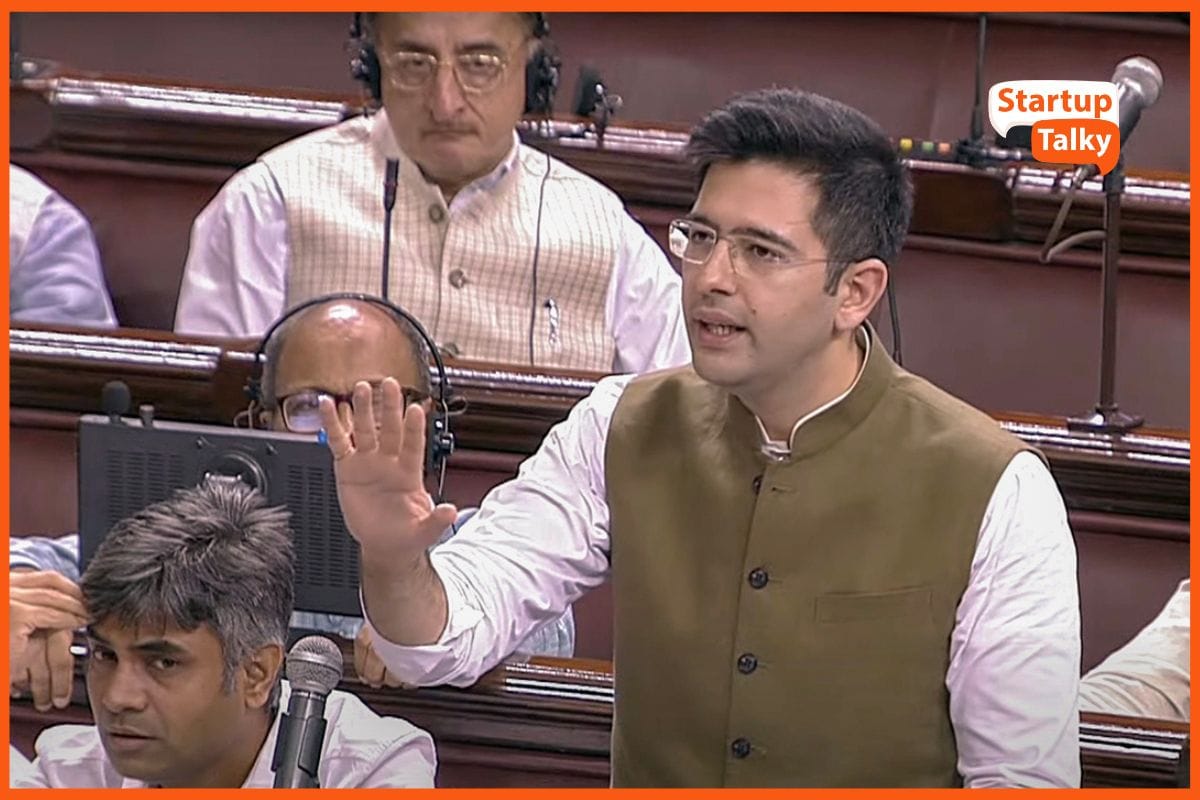
What Did Raghav Chadha Complain About?
He raised 3 major concerns that people face daily. Plans are not visible, data is draining without being used, and incoming calls are being stopped without recharge. He placed certain demands on the government so that people can use telecom services they pay for optimally. Let’s learn them in detail.
What Raghav Chadha Demanded vs What the Rules Currently Say?
|
Issue / Topic |
Raghav Chadha’s Demand |
Current Rule / Reality |
|
Plan validity |
Only 30-day (monthly) plans should exist |
28-day plans are widely used; 30-day plans exist but are not dominant |
|
Number of recharges/year |
Reduce to 12 (true monthly cycle) |
Users recharge 13 times/year with 28-day plans |
|
Data usage |
Unused data should carry forward (no loss) |
Unused daily data expires at midnight |
|
Incoming calls/SMS |
Stay active for at least 1 year after the last recharge |
May stop after plan expiry (depends on operator) |
|
SIM deactivation |
Number deactivated only after 3 years |
Can be deactivated after 90 days of inactivity |
|
Consumer fairness |
More transparent, user-friendly system |
Operators have flexibility under the current system |
|
Pricing control |
Not directly about price, but fairness in usage/value |
Prices controlled by companies (tariff freedom) |
Final Thoughts…
The government is now nudging companies to fix visibility, not forcing changes yet. The concerns seem relatable, according to what people on the internet say. It is now left to the telecom companies, and we’ll have to wait and see what changes come through.
Original Article
(Disclaimer – This post is auto-fetched from publicly available RSS feeds. Original source: Startuptalky. All rights belong to the respective publisher.)