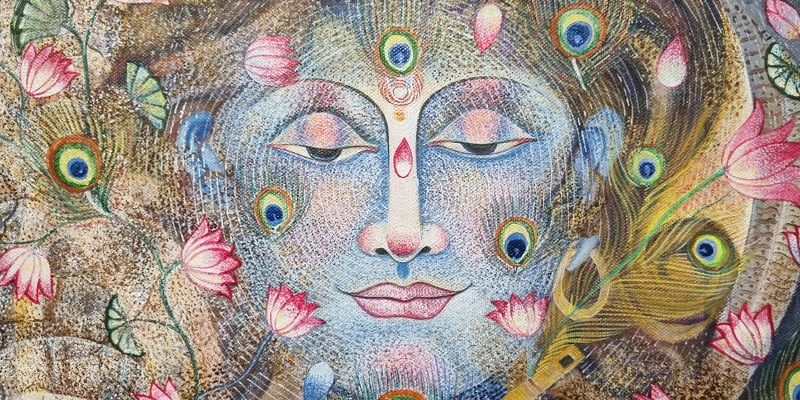
Launched in 2014, PhotoSparksis a weekly feature from YourStory,with photographs that celebrate the spirit of creativity and innovation. In the earlier 980 posts, we featured an art festival,cartoon gallery.world music festival, telecom expo, millets fair,climate change expo,wildlife conference,startup festival,Diwali rangoli,and jazz festival.
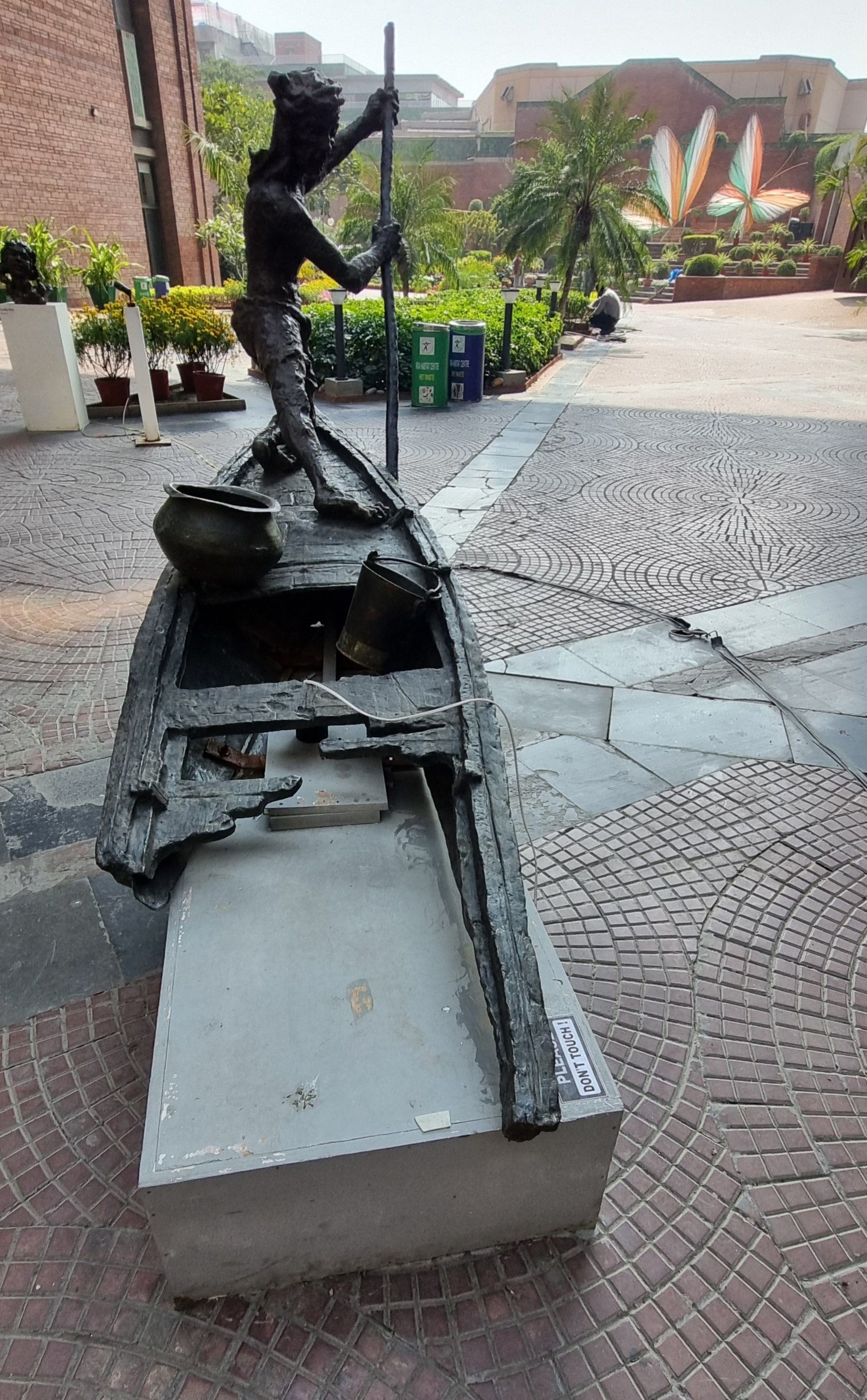
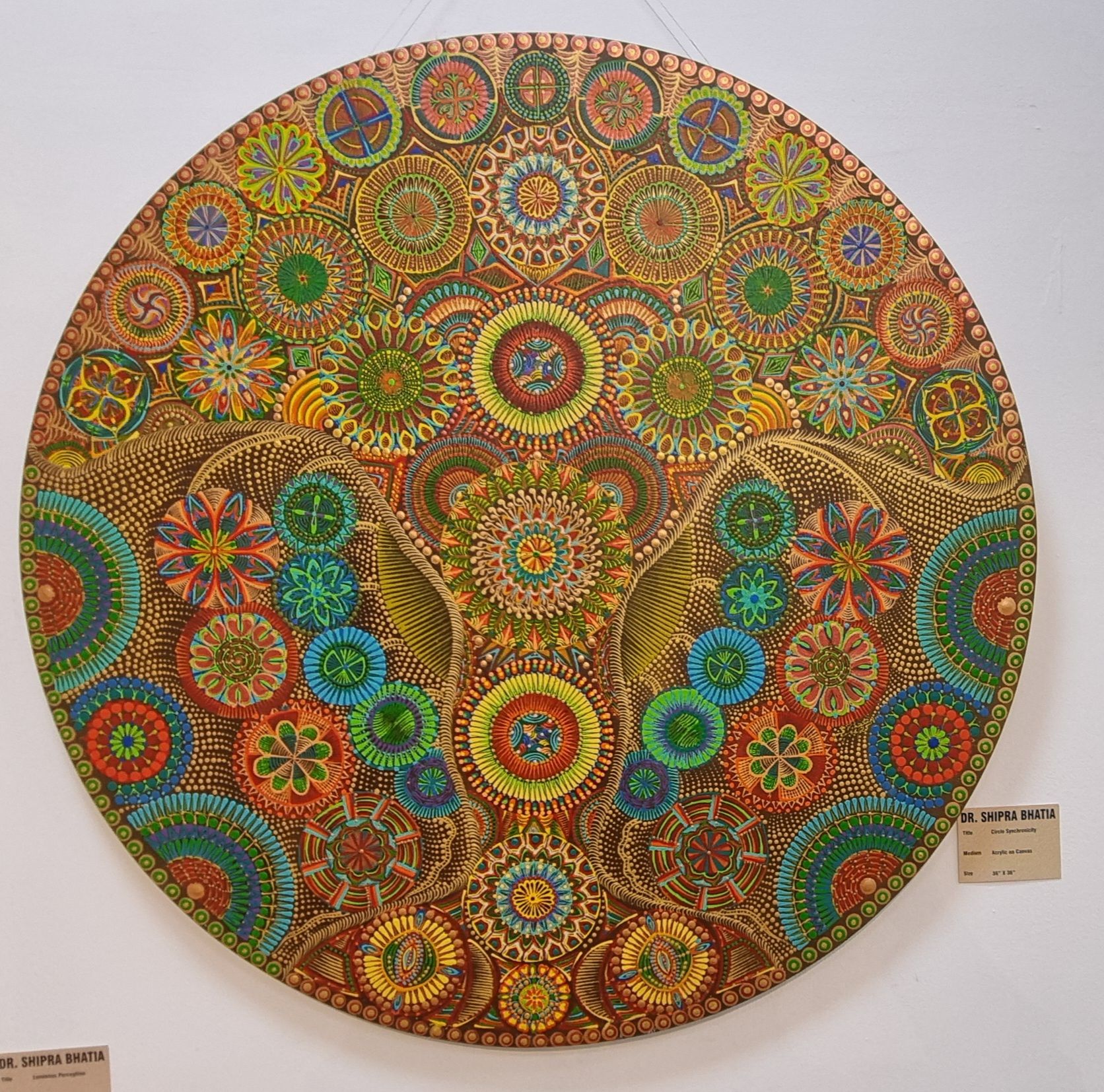
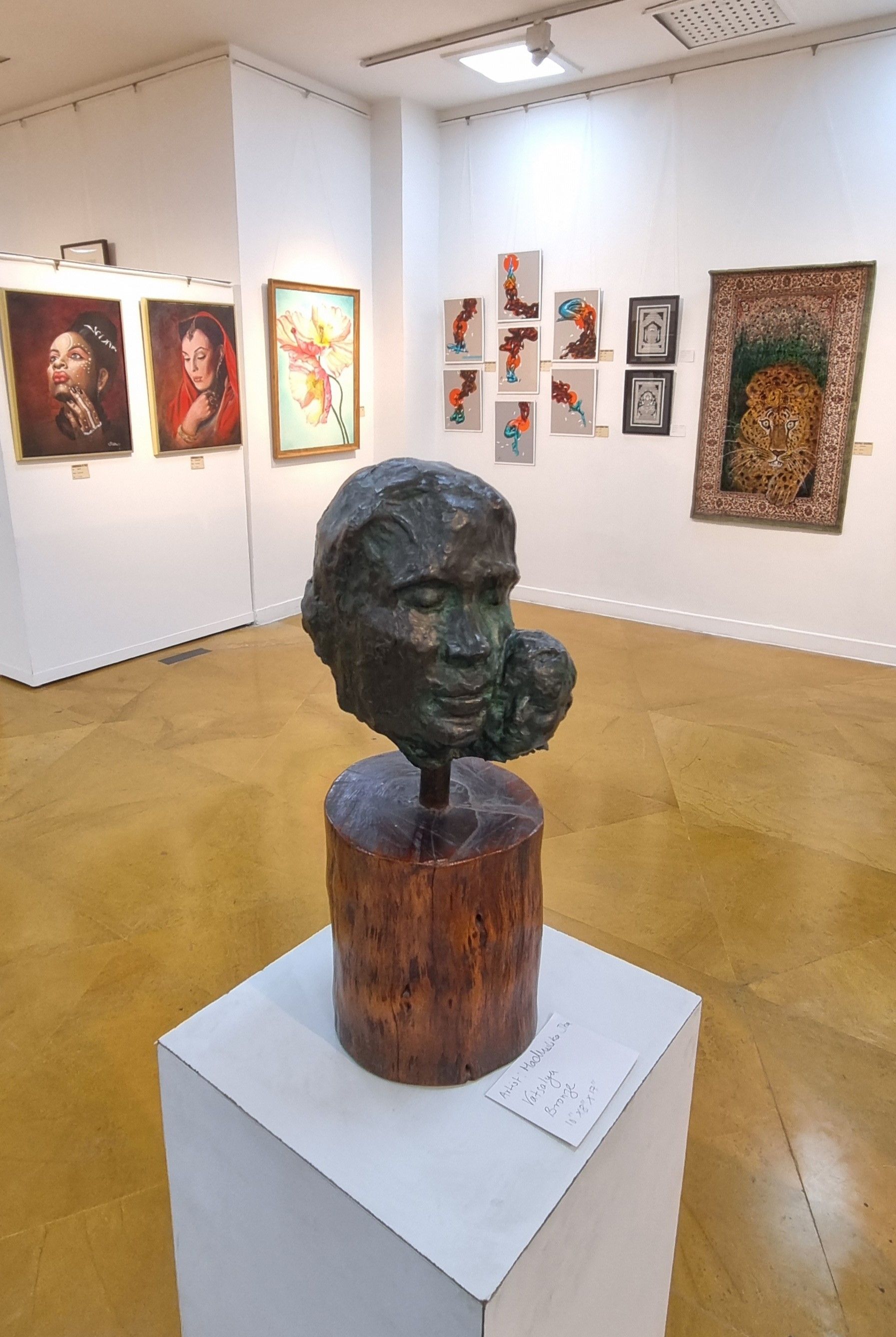
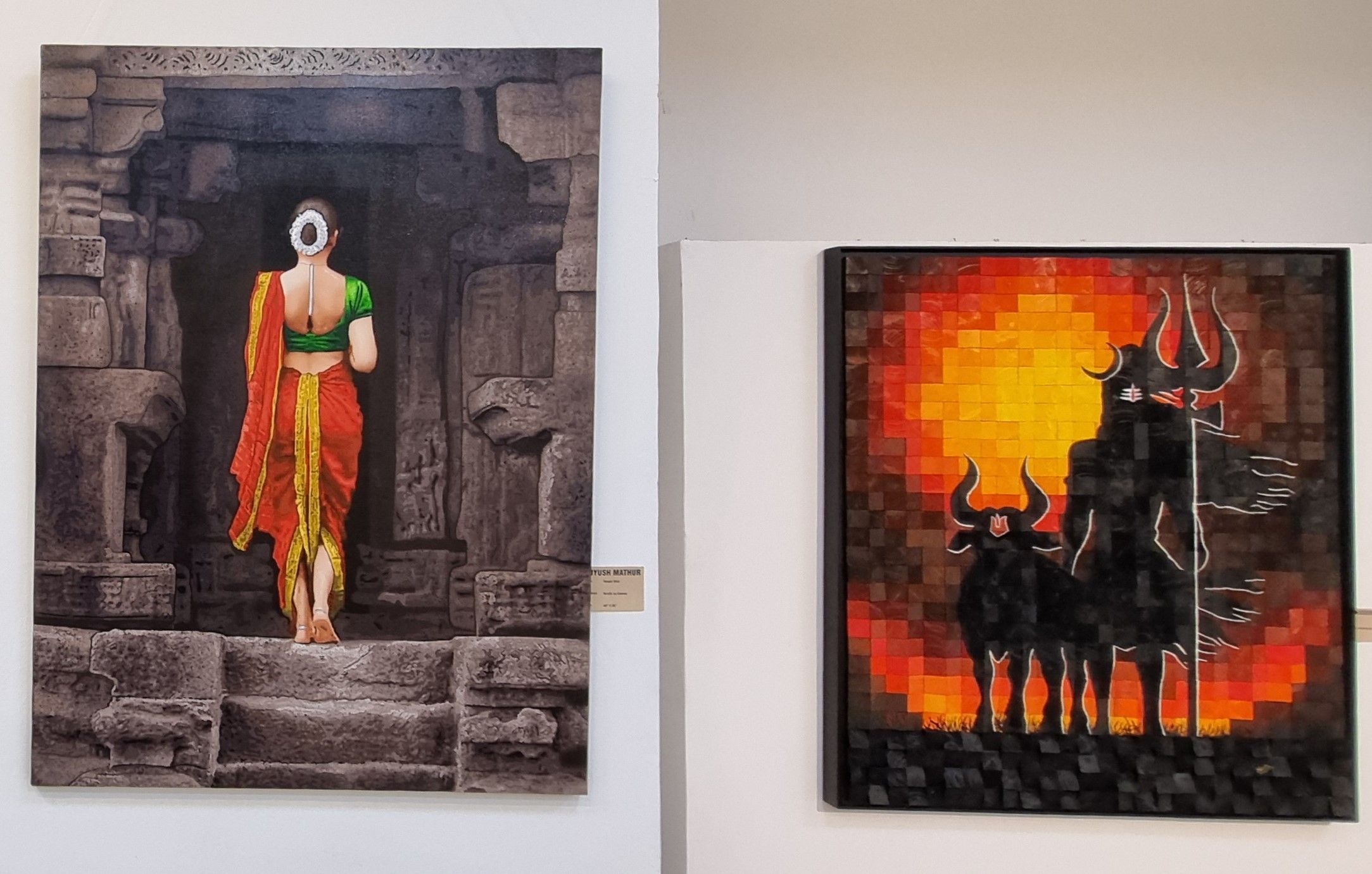
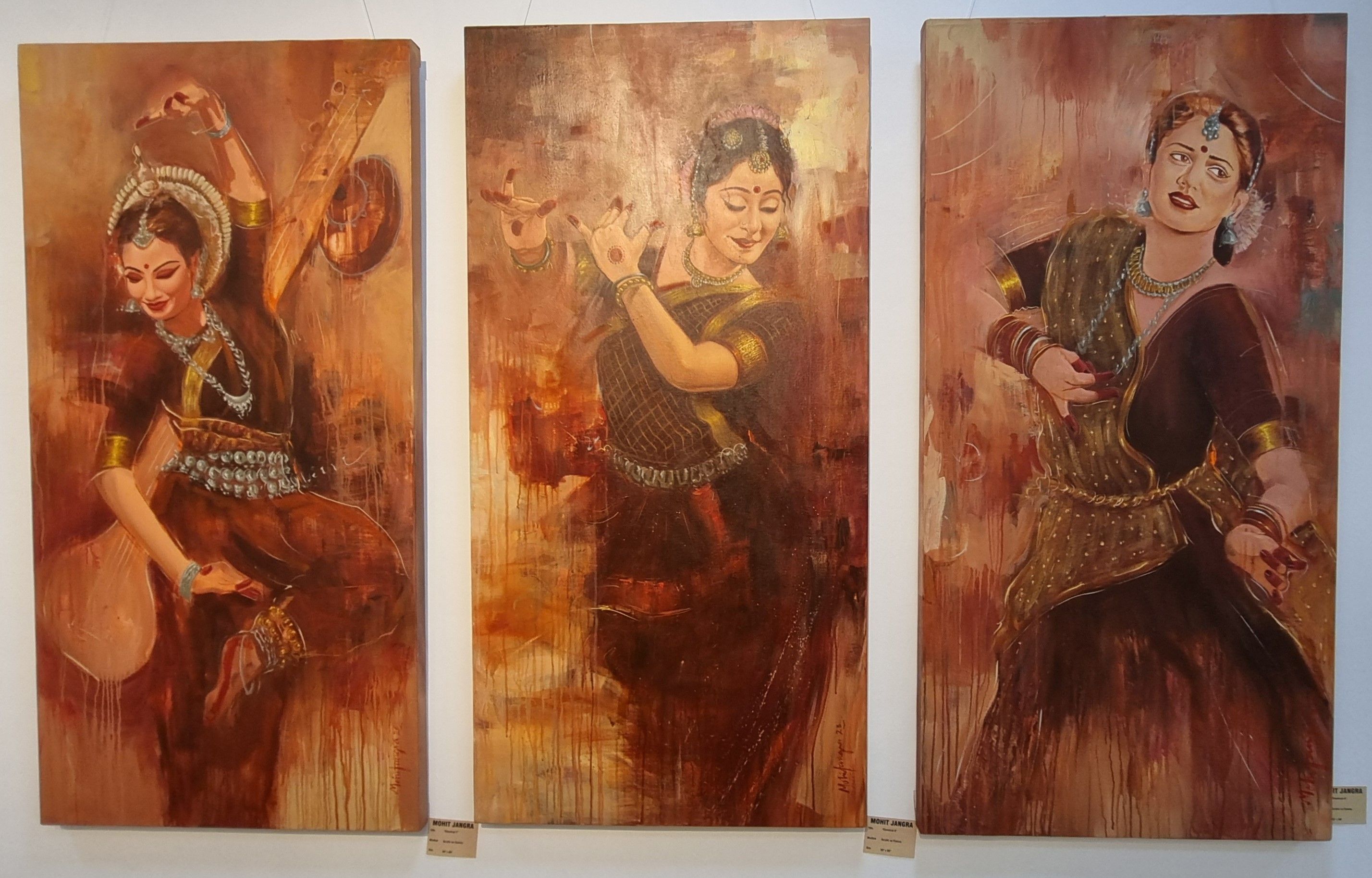
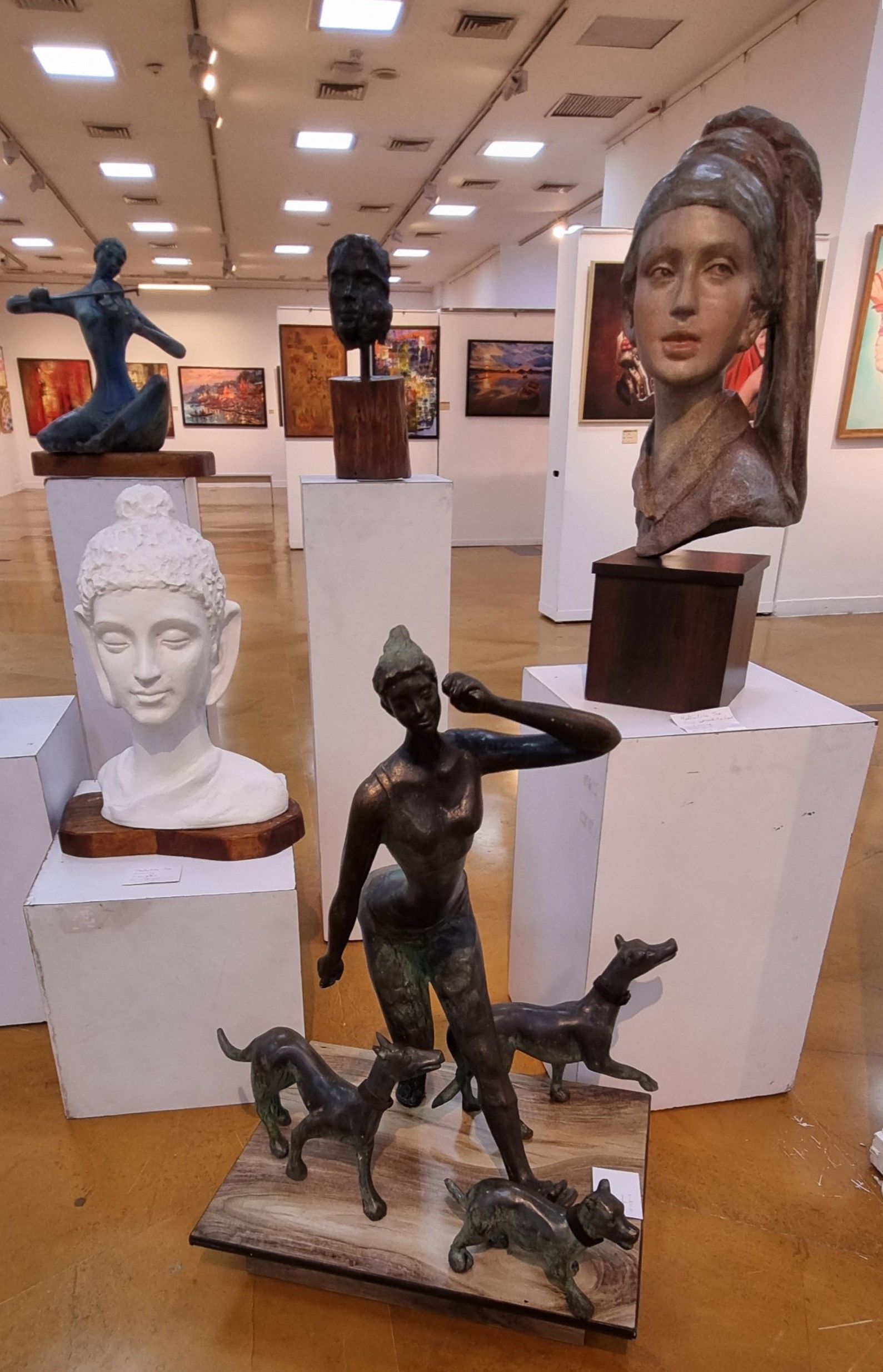
The India Habitat Centre (IHC) in New Delhi recently featured the group exhibition Master Strokes 2026, with the artworks of 36 artists. The curator of the exhibition was Kishore Labar, who has already put together seven earlier exhibitions under this concept (see our coverage of exhibitions at IHC over the last 10 years here).
Participating artists include Jatin Chaudhary, Jyotica Sikand, Kumud Grover, Kuldeep Tiwari, Madhulika Jha, Mahendera Rai, Mrinmoy Barua, Manju Narain, Mohit Jangra, Mohini Narain, Navita Kaushik, Poornima Dayal, Piyush Mathur, and Rajan Kumar Choudhary.
“I view art as a reflection of life itself — of emotions, memories, spirituality, struggles, and human experiences. It is a silent yet powerful language that transcends barriers of words, religion and geography,” curator Kishore Labar tells YourStory.
As a curator and cultural promoter, he aims to transform art into a vibrant public experience. His exhibitions have been held at prestigious venues such as IHC and star hotels as well as a range of public spaces, helping create meaningful interactions between artists and audiences from diverse backgrounds.
“Art has the ability to heal, inspire, question, and unite people. I believe every artwork carries the soul of the artist and becomes a mirror through which society can see its own truths, dreams and emotions. To me, art is not merely decoration or visual beauty – it is an emotional and cultural dialogue between the inner world and the outer world,” he adds.
Also Read 2026 Outlook: AI, robotics, biotech, unicorns and the road ahead
He has worked with a number of organisations in partnerships to promote art exhibitions, such as New Delhi Municipal Council, Delhi Police, and the Department of Tourism. Such collaborations help create more platforms that encourage community dialogue on creativity.
He points to a number of trends in India’s contemporary art scene. “The art ecosystem is evolving rapidly and becoming increasingly inclusive and experimental. Alongside traditional forms, we are witnessing the growth of public art, conceptual practices, digital mediums, installations, and interdisciplinary expressions. Young artists today are more courageous in addressing identity, environment, social realities, and personal narratives,” Labar observes.
“The true strength of Indian art lies in its extraordinary diversity and cultural depth. India possesses centuries of artistic heritage rooted in spirituality, storytelling, craftsmanship, and symbolism,” he says.
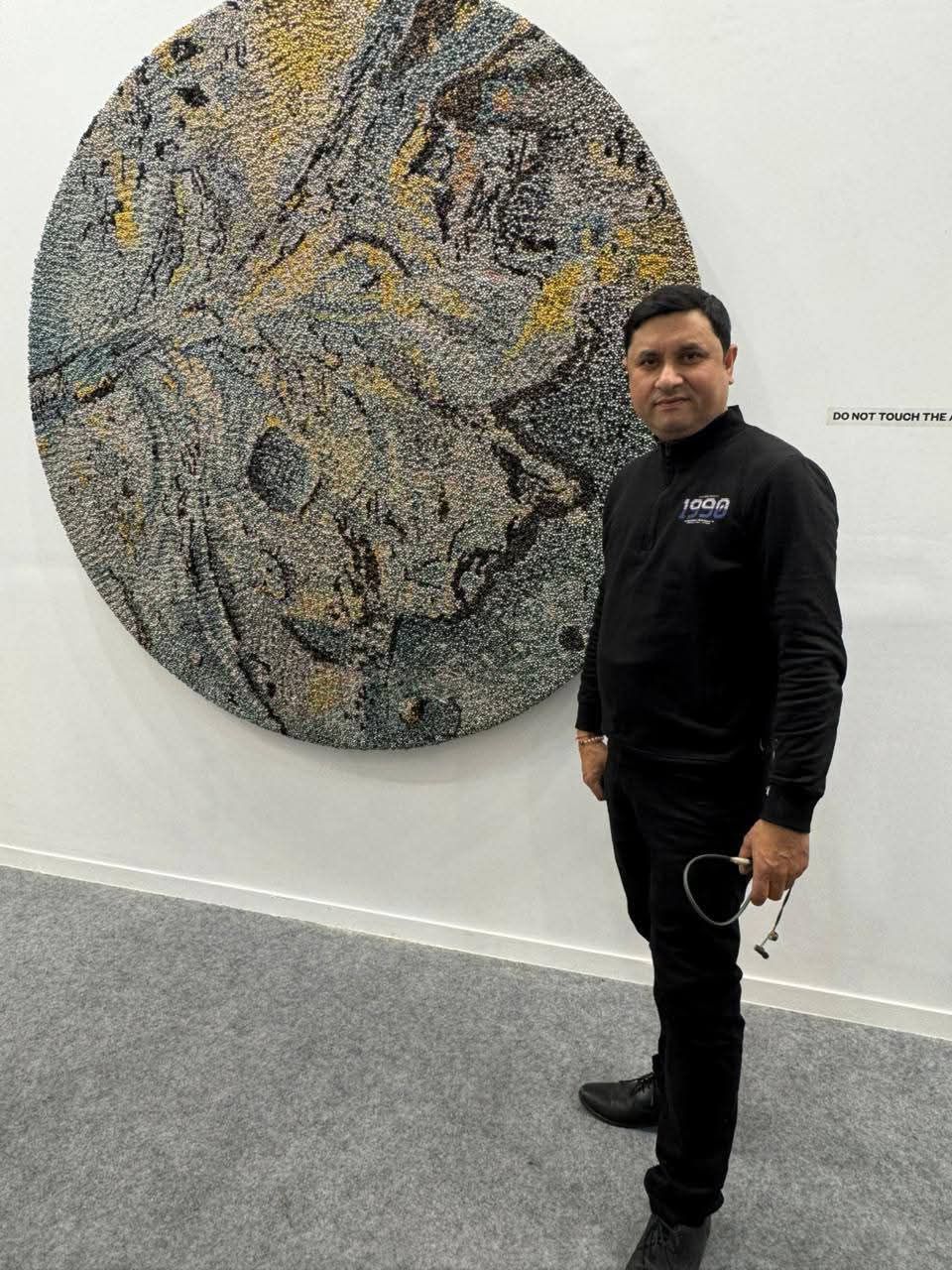
Kishore Labar
Indian art has immense power in representing aesthetics. “It also communicates philosophy, humanity and collective memory to the world. When its rich legacy interacts with modern innovation, it creates immense global potential,” he adds.
He has also supported workshops, live demonstration, artist interactions, and awareness programs for emerging artists to learn directly from experienced masters. “Education, interaction and mentorship are equally important for nurturing creative communities, in addition to public exhibitions,” Labar affirms.
“Such initiatives help create confidence, exposure, discipline, and artistic sensitivity across generations. They also make art more approachable for society,” he says.
Also Read Year in review: startups that raised big from VCs in 2025
His curated exhibitions have a strong focus on creative presentation style. For impact, venues are transformed into an immersive artistic environment that leaves a lasting impression on viewers.
Labar calls for more public awareness and engagement with art. “Art appreciation in India can grow significantly when art becomes more accessible and connected to everyday life. One of my strongest beliefs has always been that art should reach people where they are, rather than expecting people to always enter elite spaces,” he says.
“Many individuals hesitate to visit galleries, luxury hotels, or formal cultural venues. They often feel disconnected or intimidated by such environments,” he observes.
That is one of the reasons why Labar has organised more than 100 exhibitions in public spaces. “When art is presented in parks, public halls, cultural centres, or open civic spaces, people engage with it naturally, freely and without hesitation. Public art exhibitions democratise creativity and help build a wider cultural awareness among society,” he affirms.
At the same time, he identifies a number of shortcomings in the art world today. “There are challenges such as favouritism, selective opportunities, and restricted visibility where often only certain circles receive recognition,” he cautions.
“However, I strongly believe that genuine talent, sincerity, dedication, and hard work ultimately create lasting value. Art must remain inclusive, open, and encouraging for every deserving artist regardless of background or influence,” Labar signs off.
Now what have youdone today to pause in your busy schedule and harness your creative side for a better world?
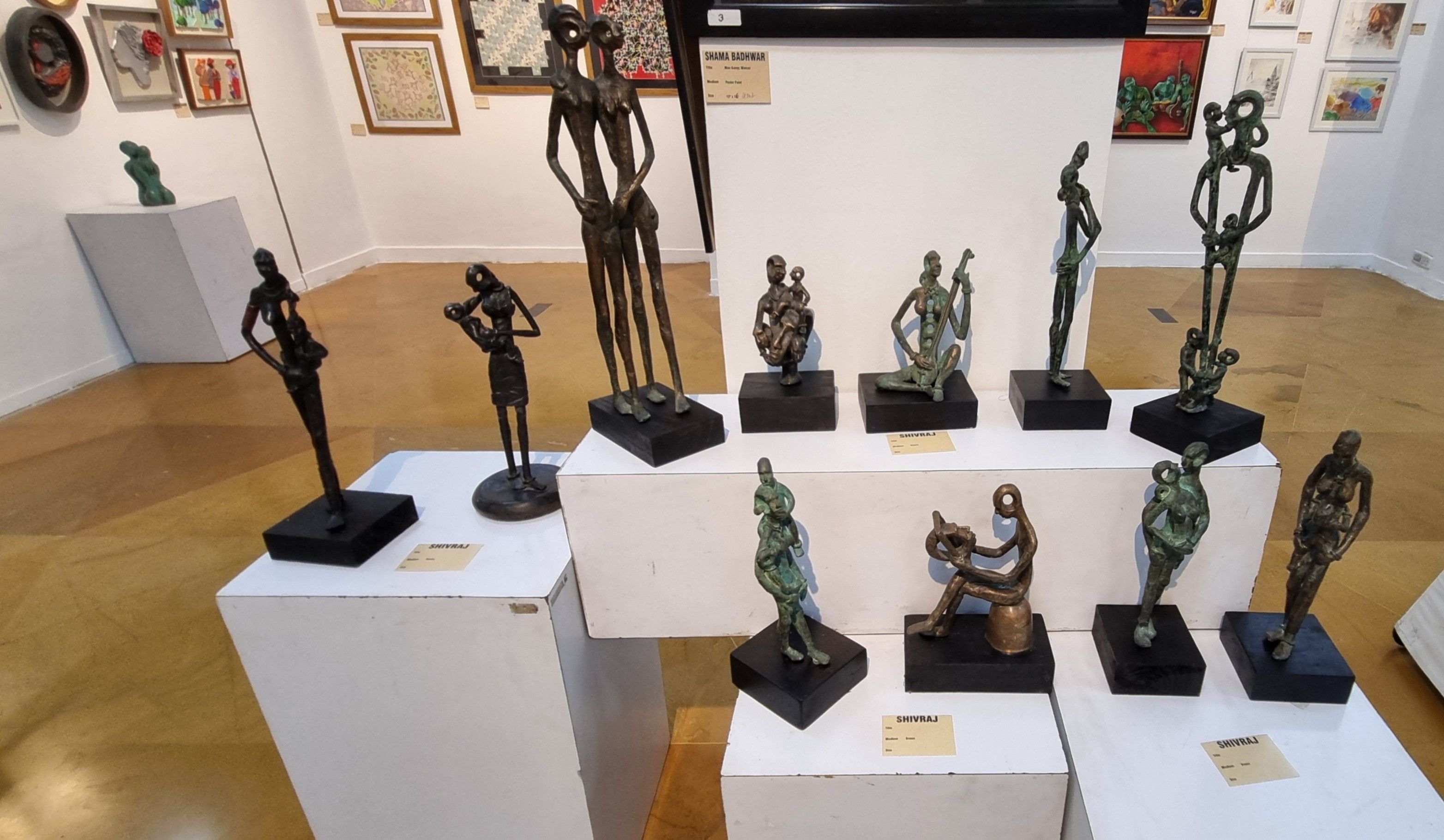
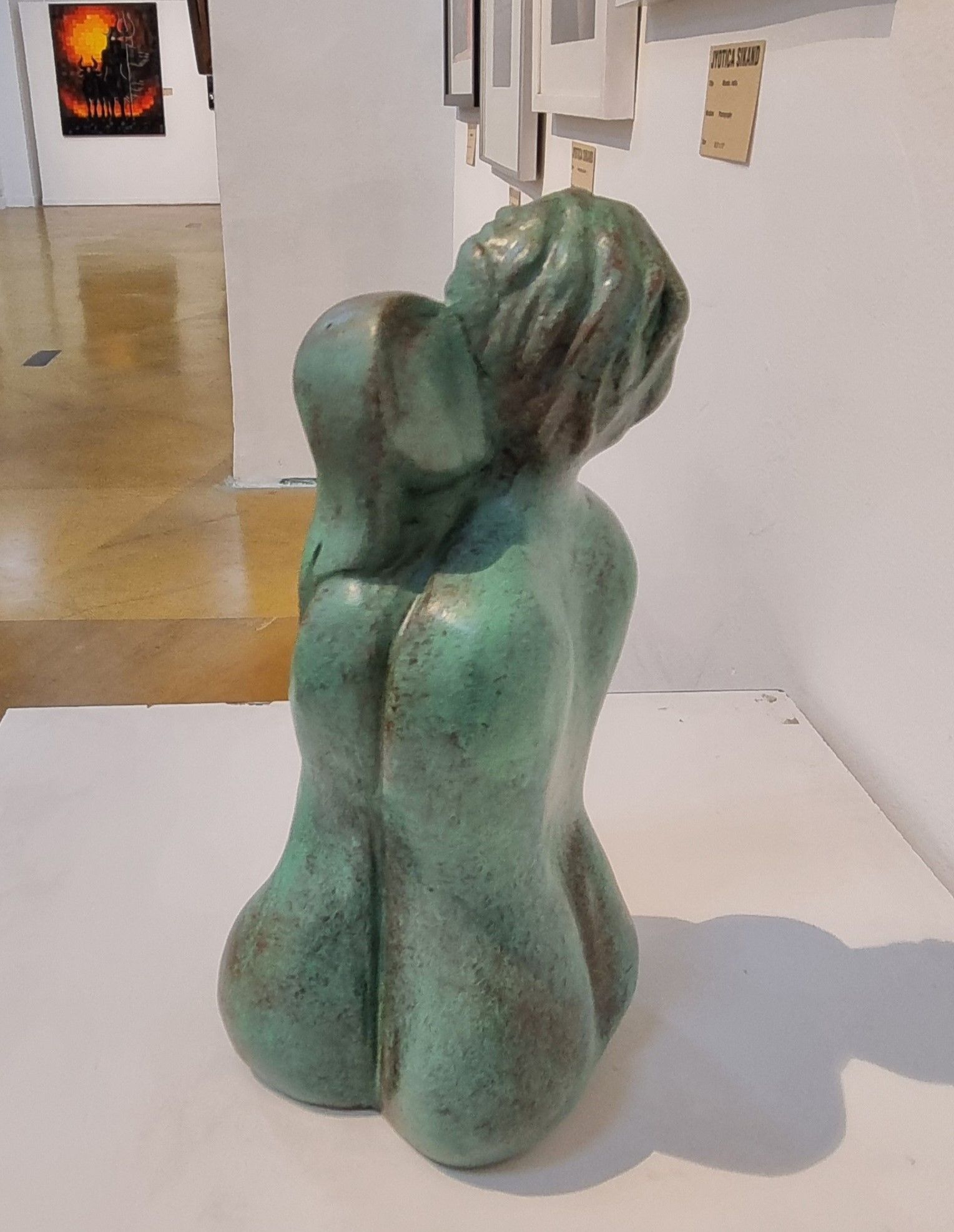
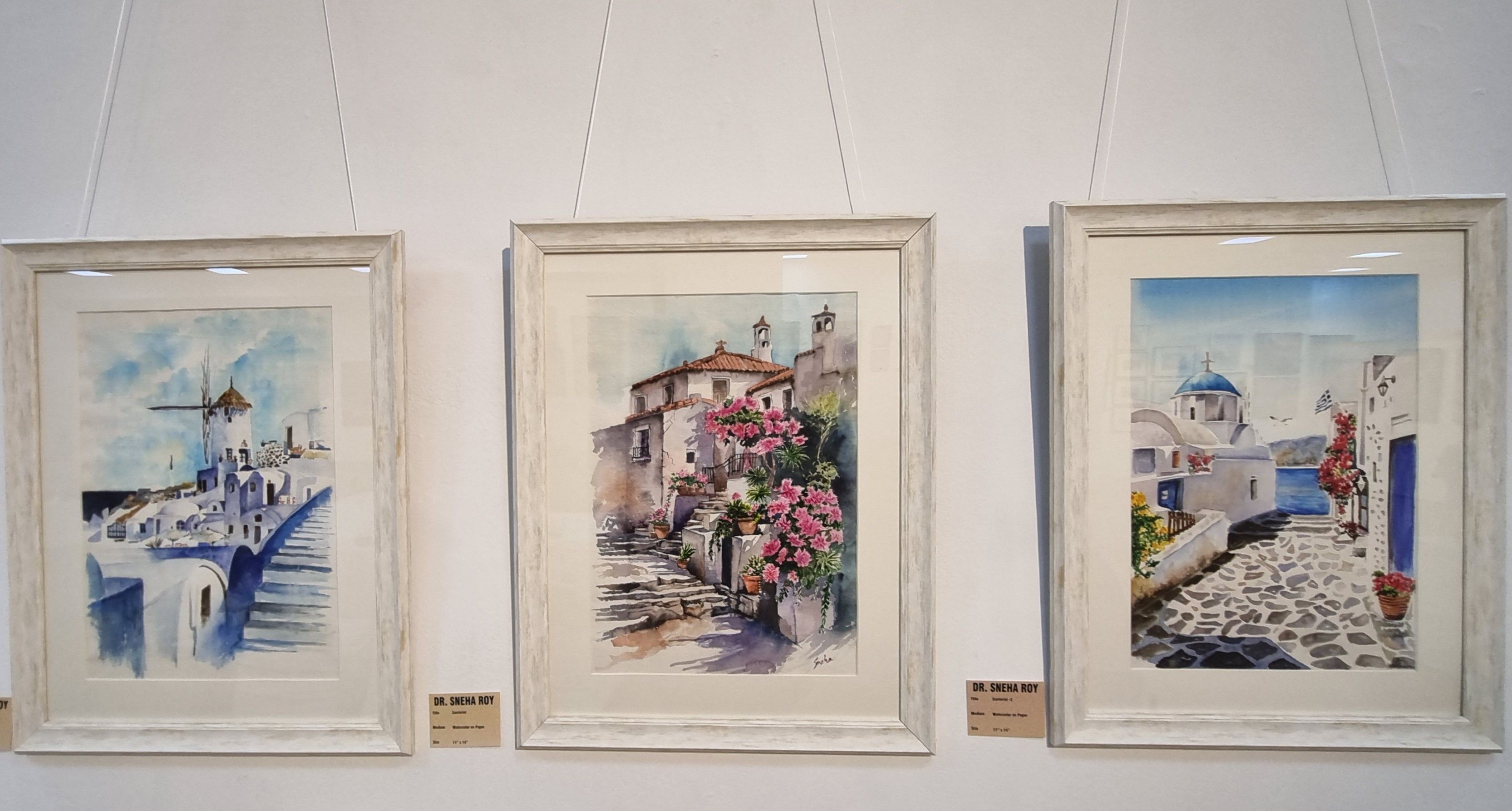
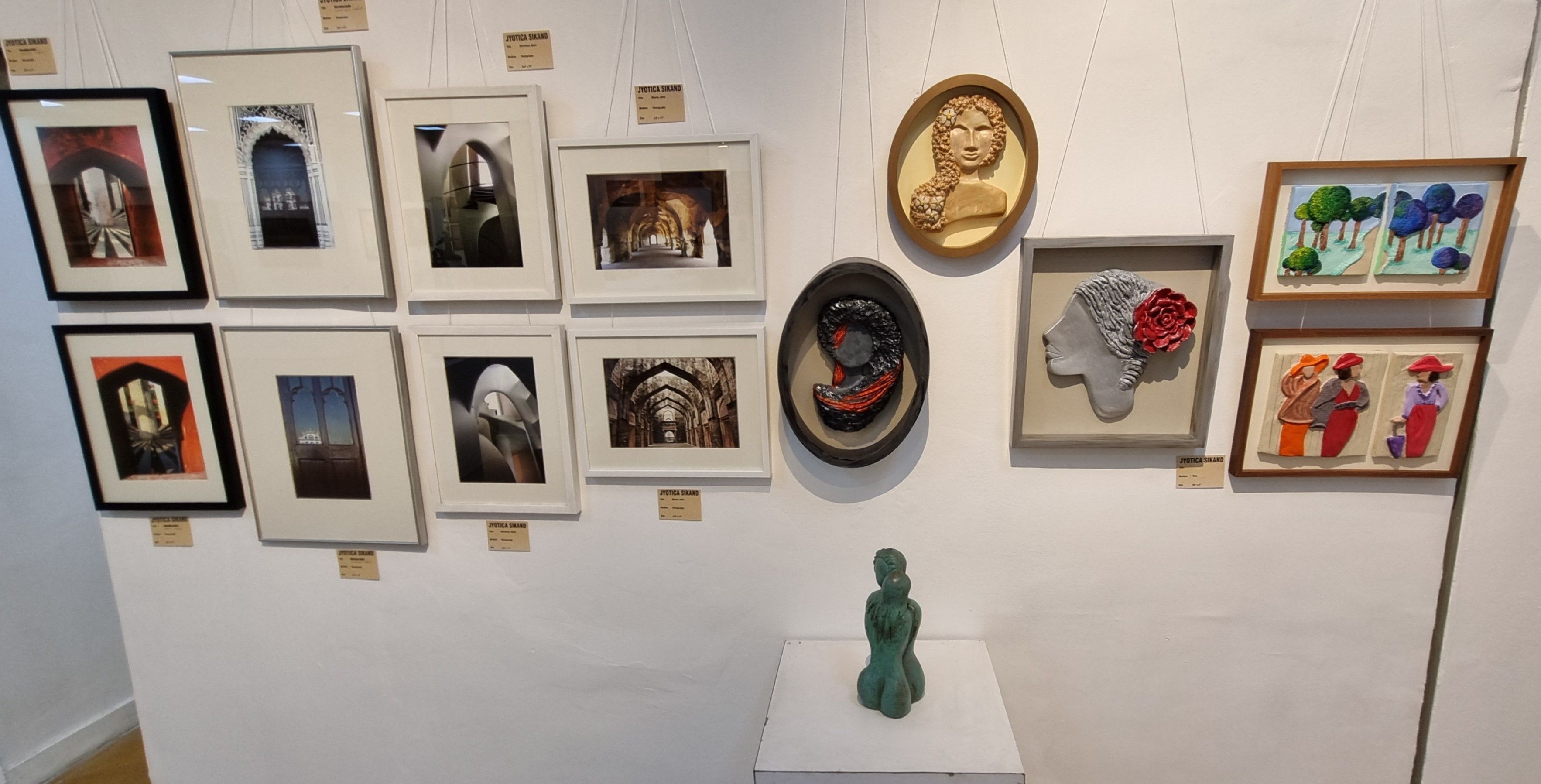
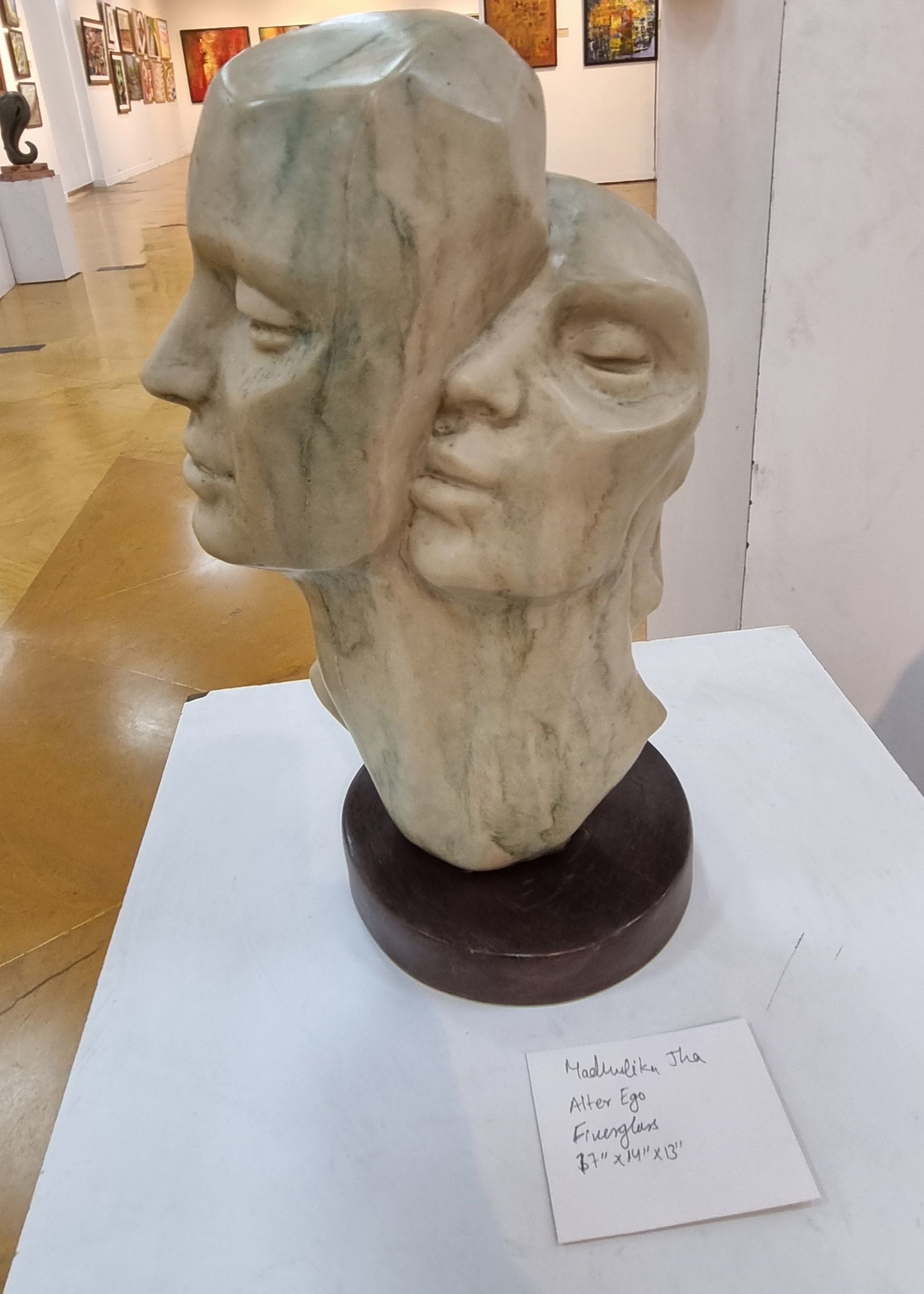
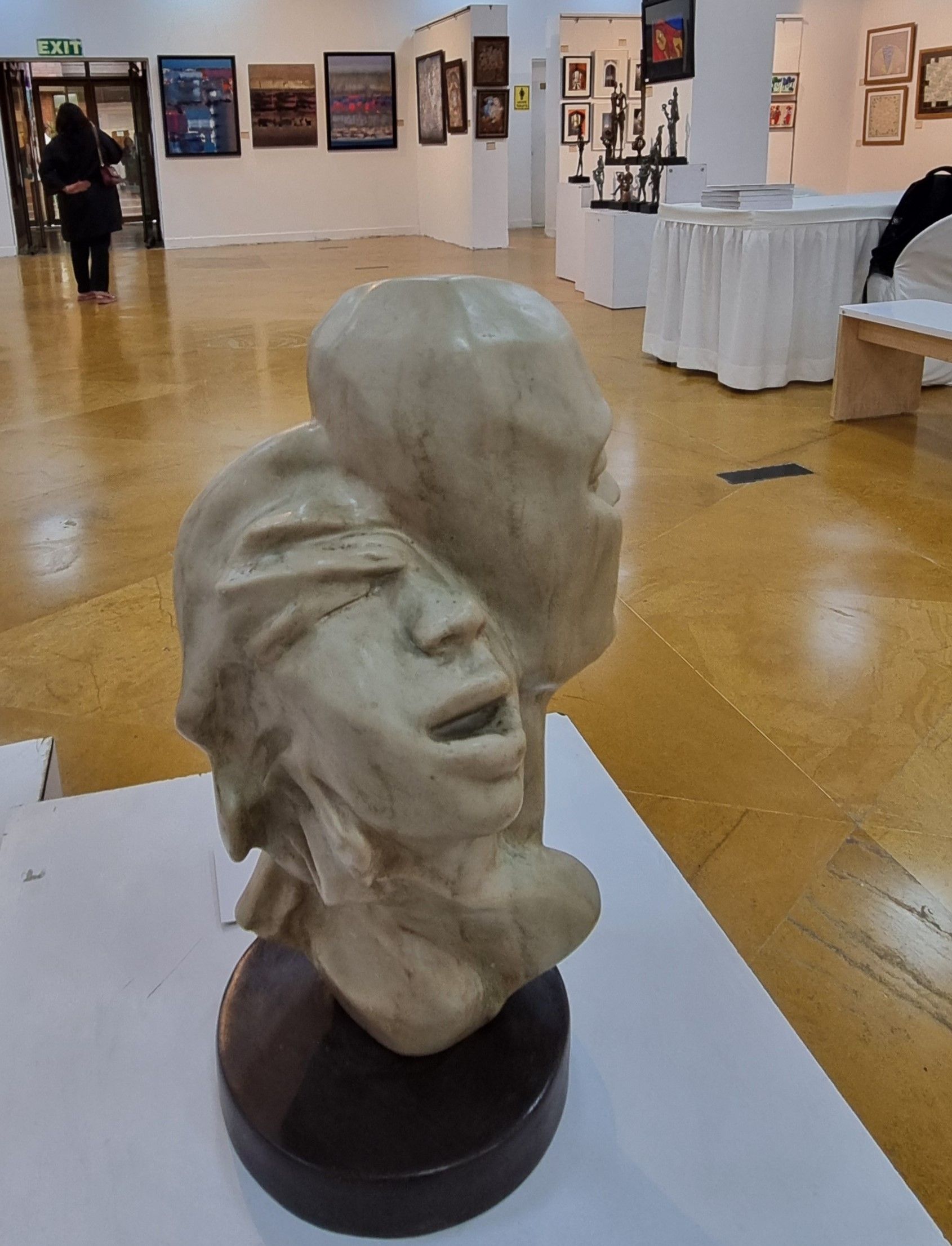
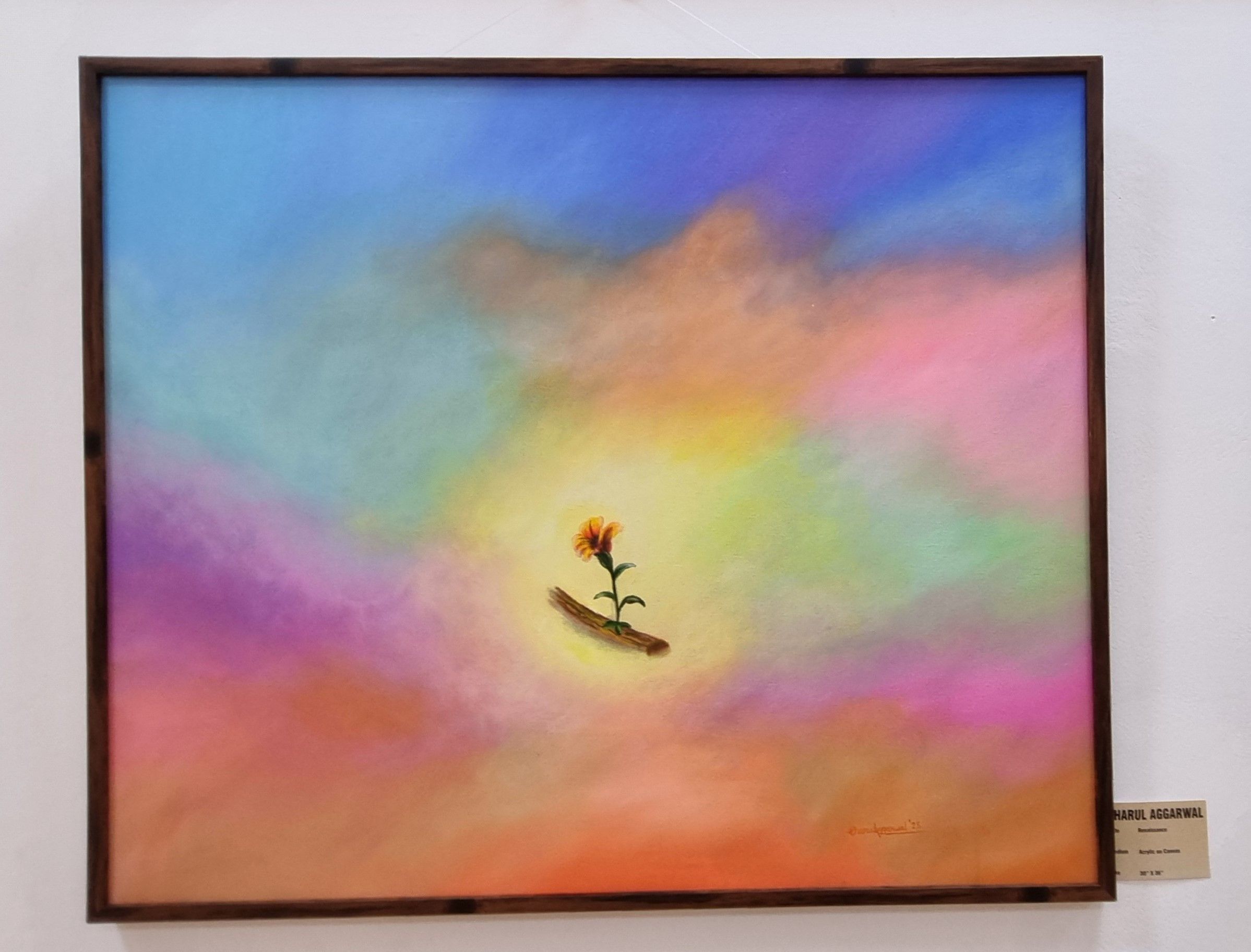
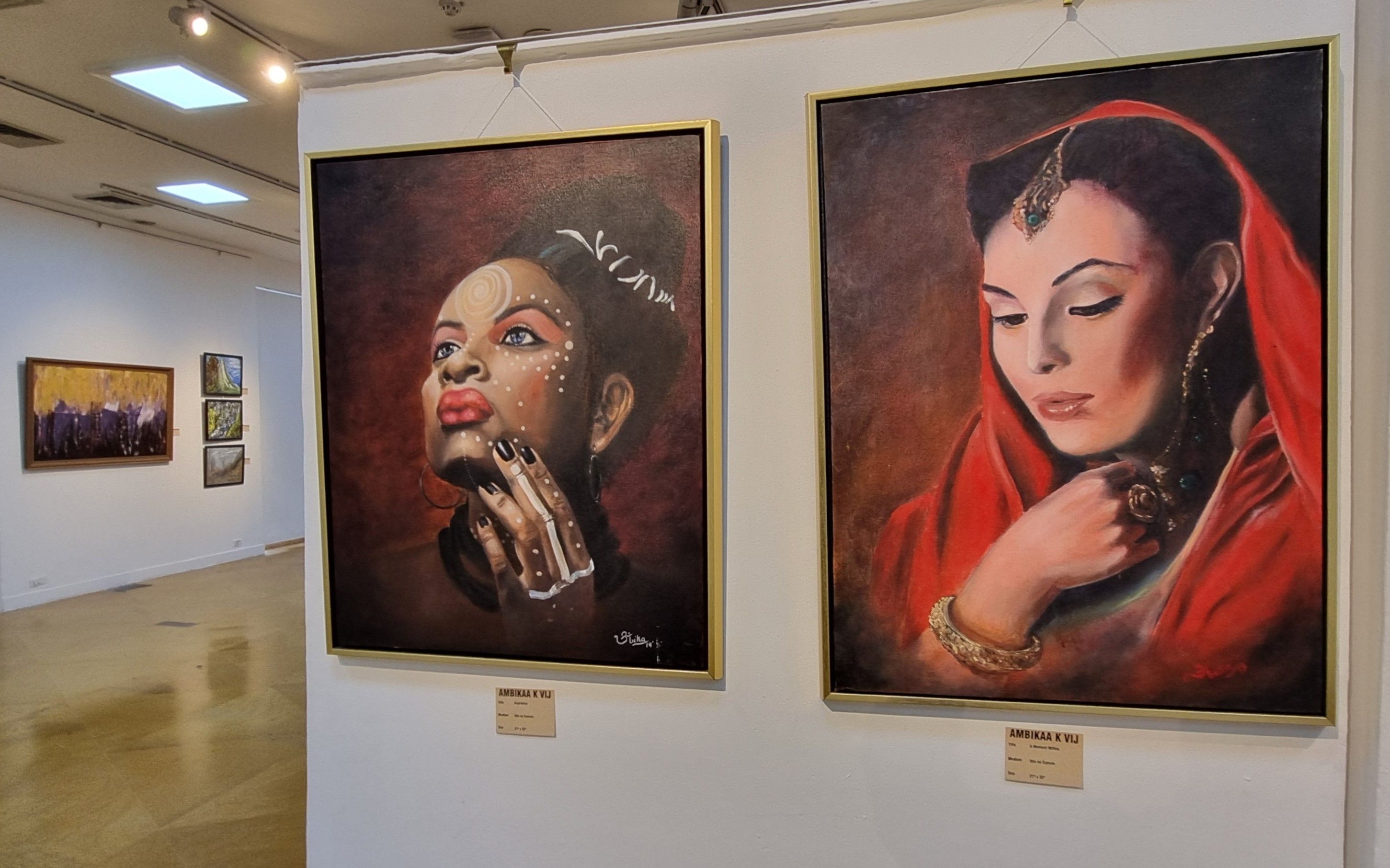
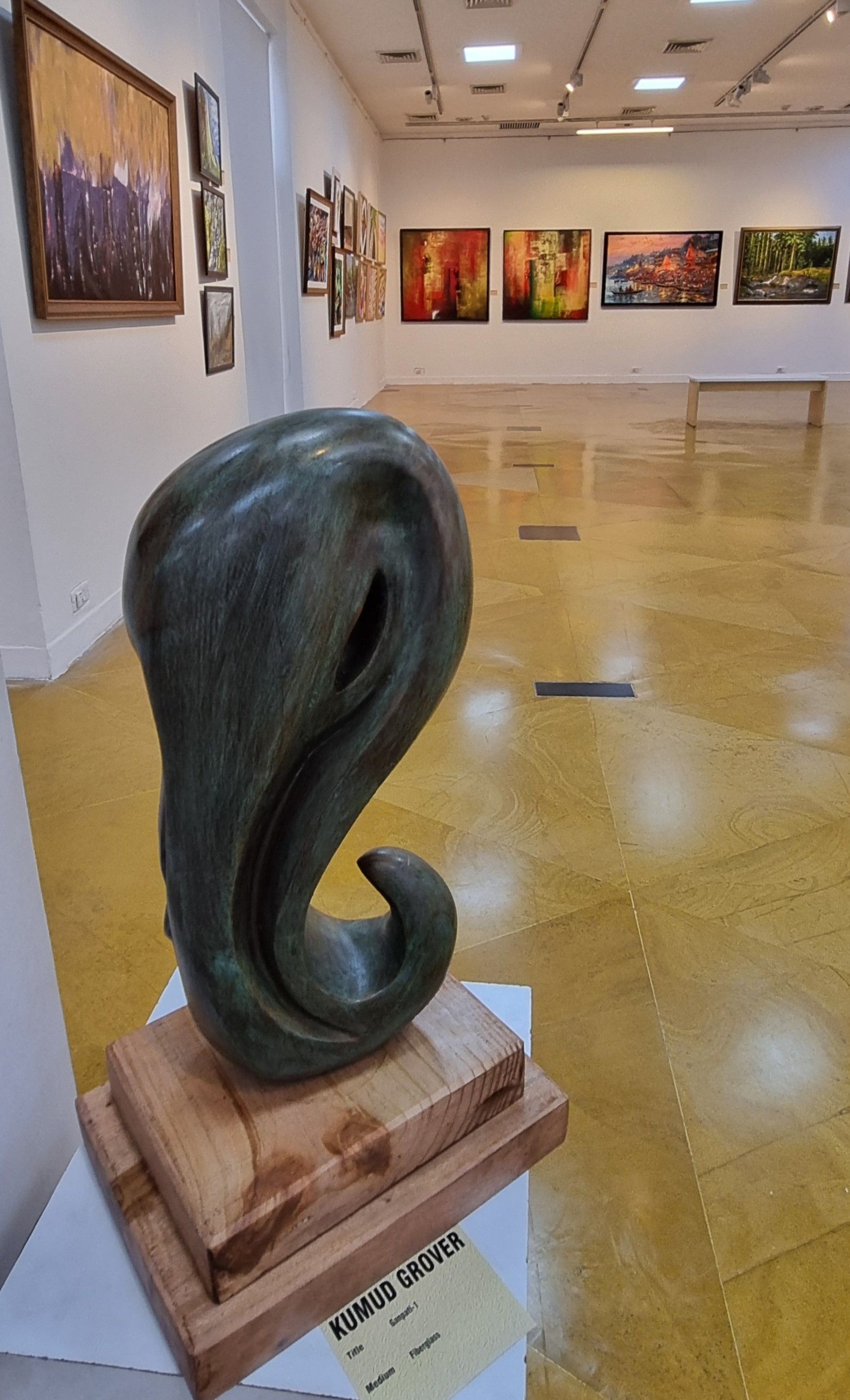
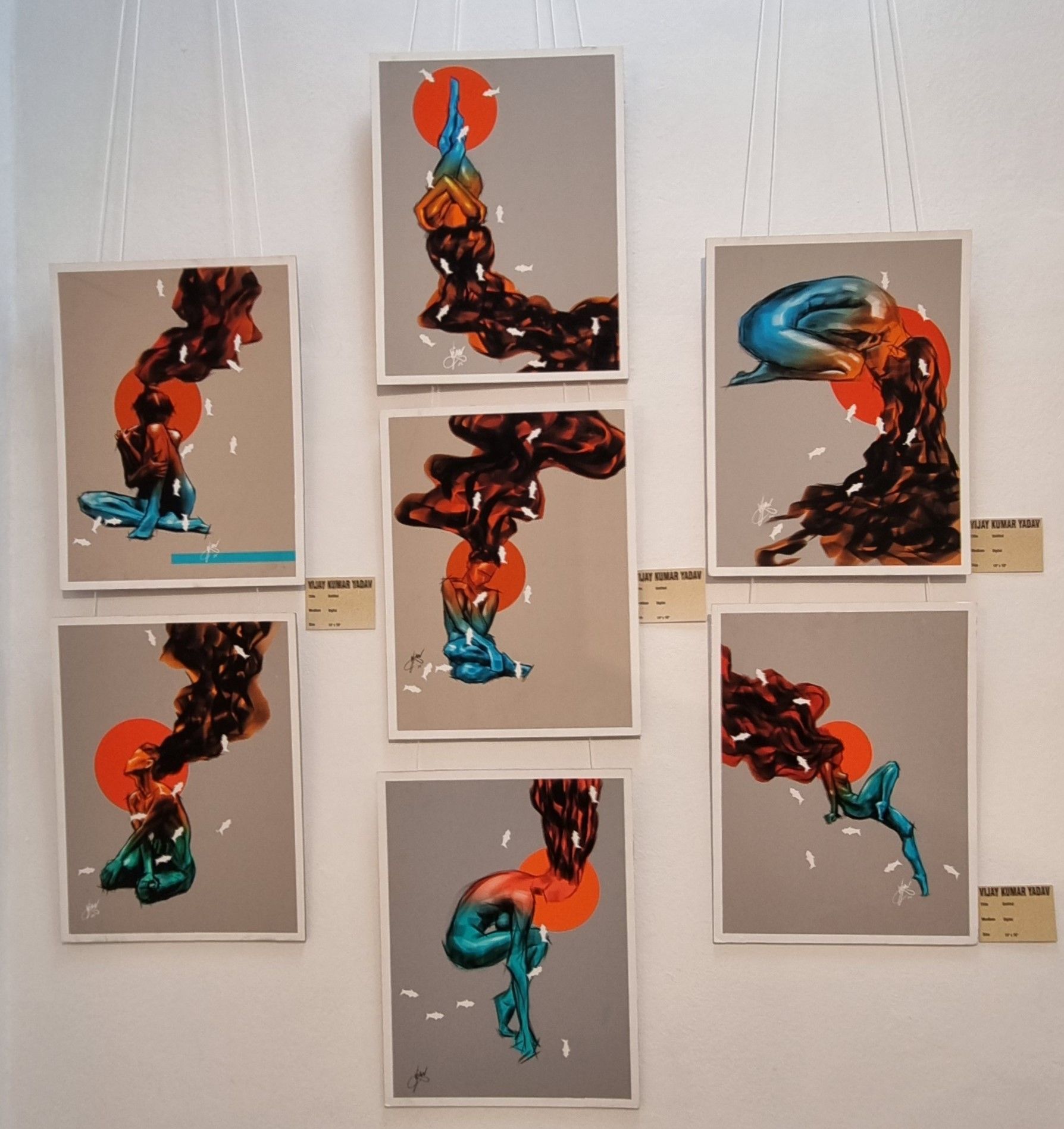
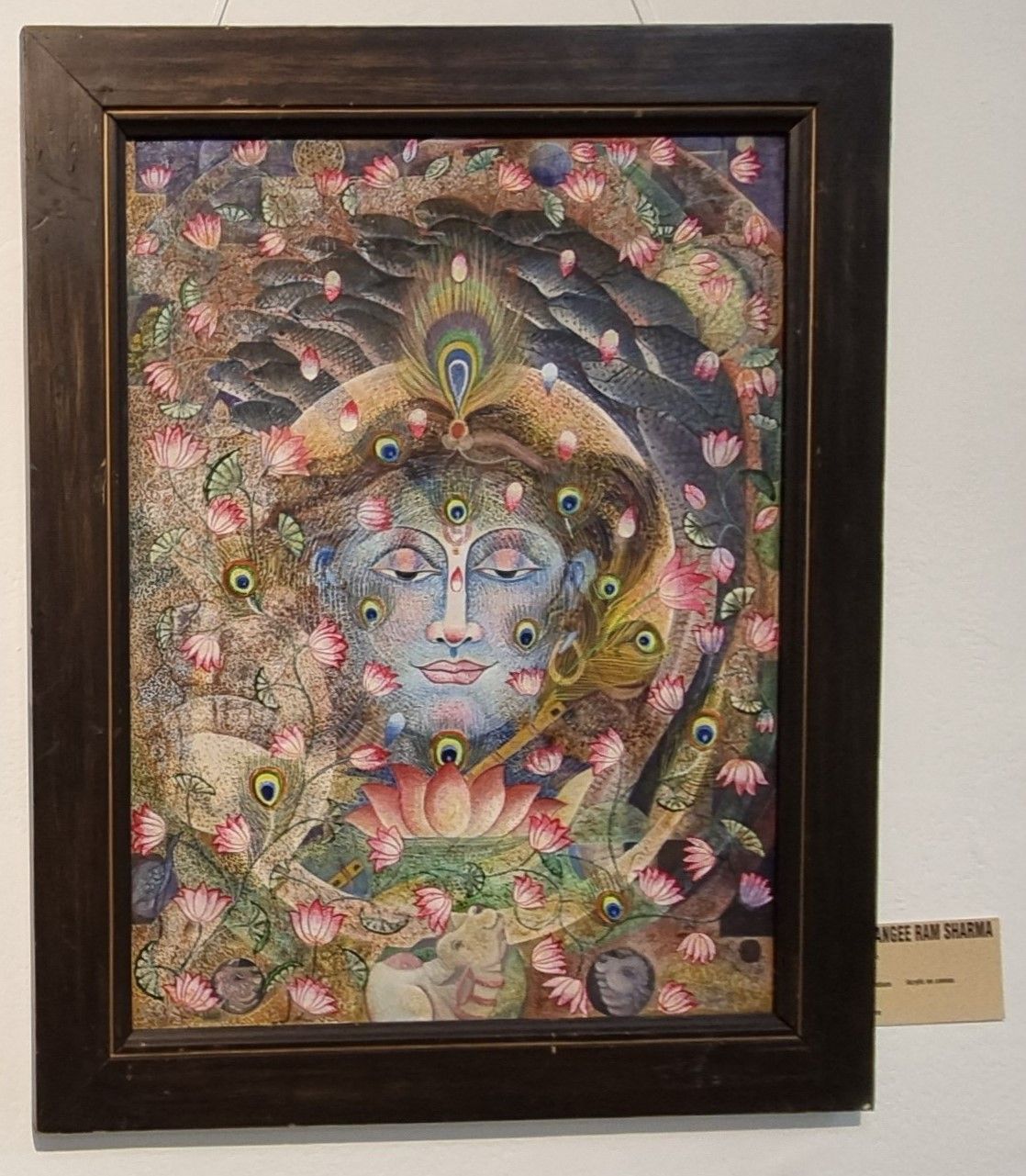
(All art photographs taken by Madanmohan Rao on location at India Habitat Centre.)
Original Article
(Disclaimer – This post is auto-fetched from publicly available RSS feeds. Original source: Yourstory. All rights belong to the respective publisher.)