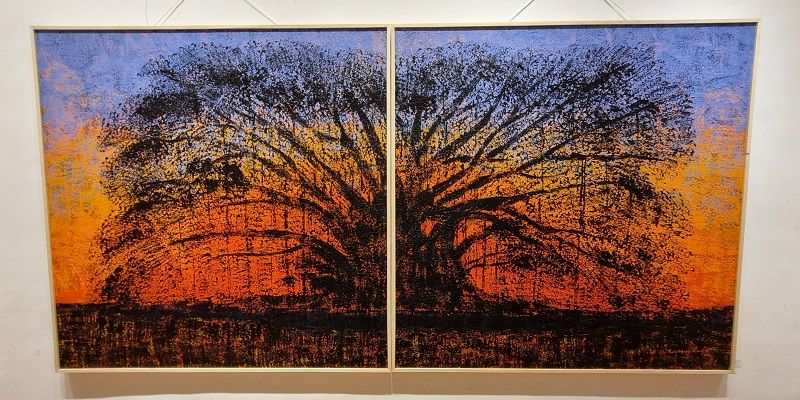
Launched in 2014, PhotoSparksis a weekly feature from YourStory,with photographs that celebrate the spirit of creativity and innovation. In the earlier 970 posts, we featured an art festival,cartoon gallery.world music festival, telecom expo, millets fair,climate change expo,wildlife conference,startup festival,Diwali rangoli,and jazz festival.
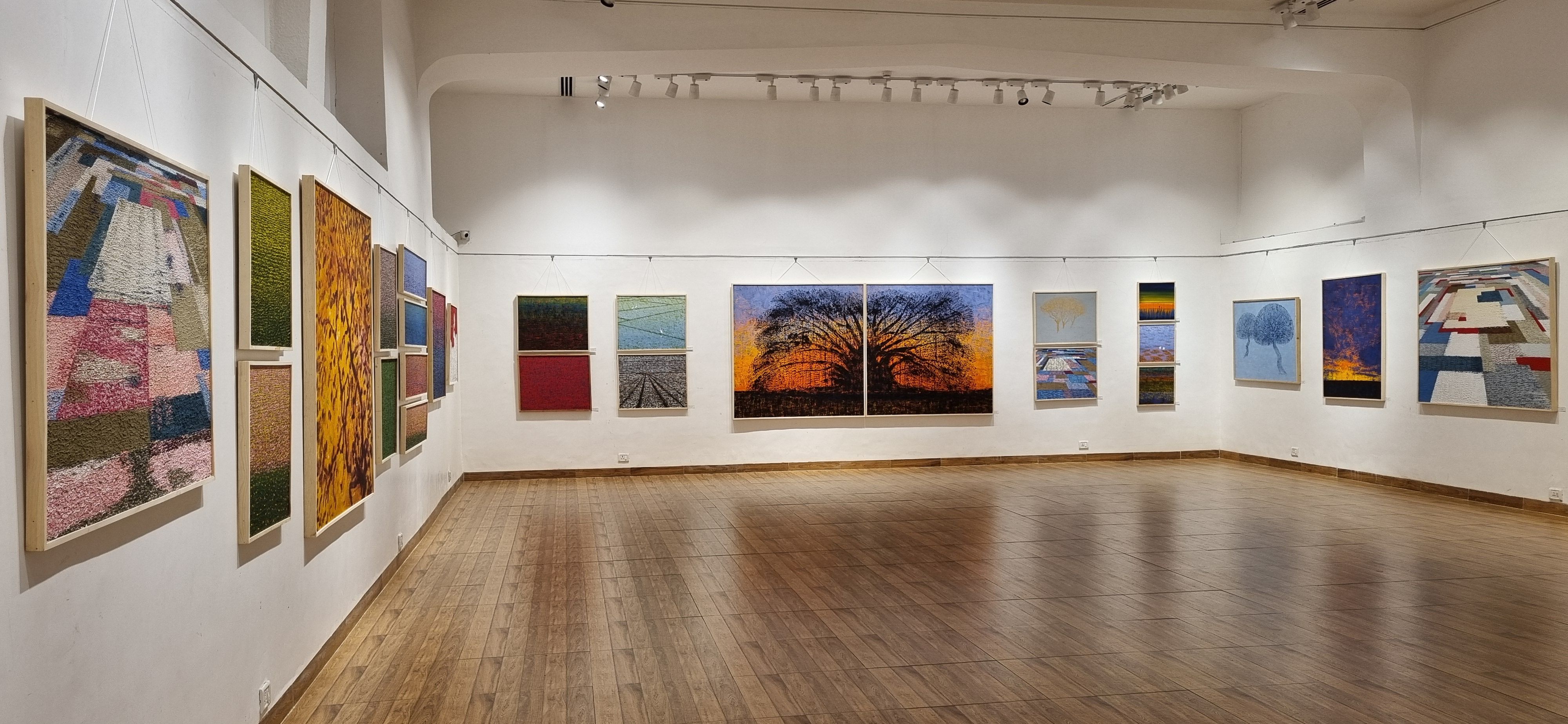
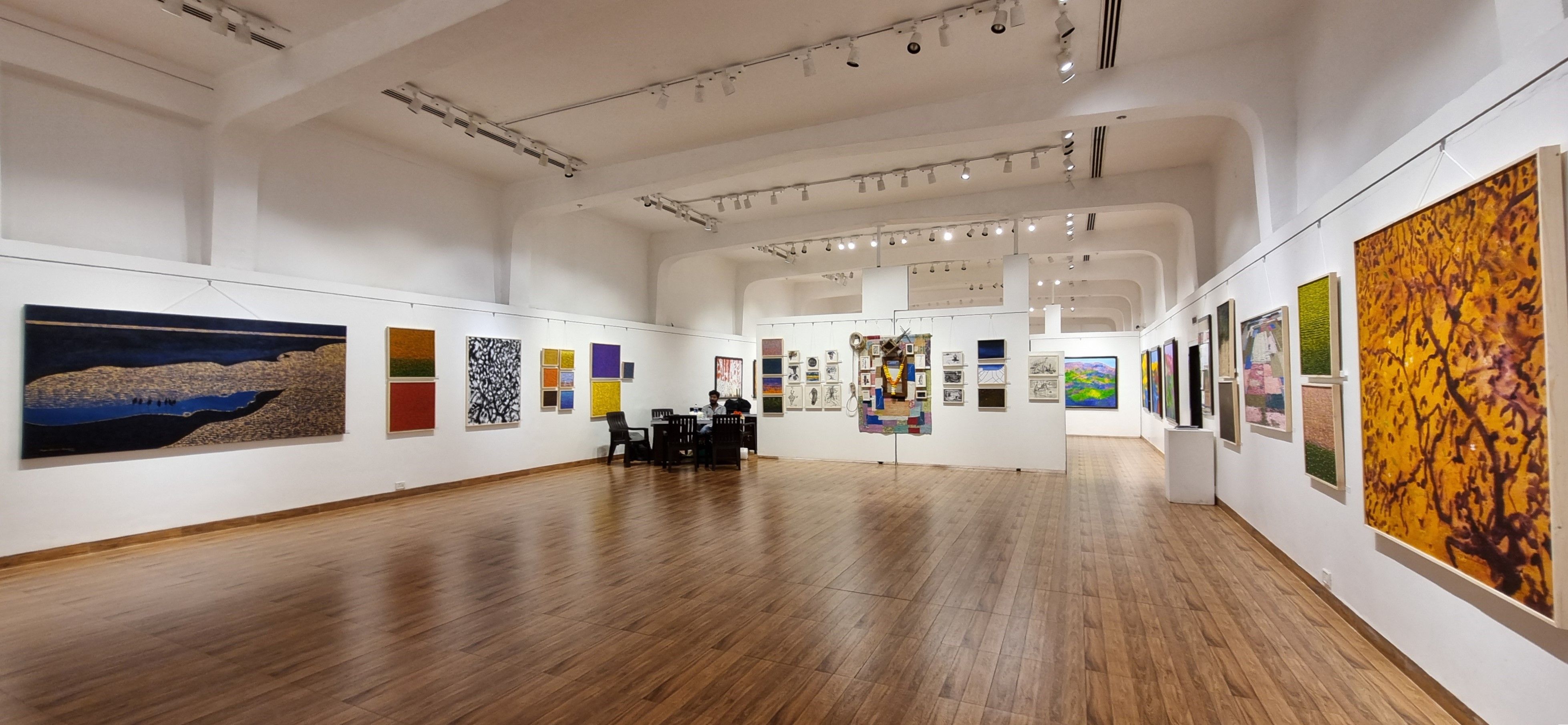
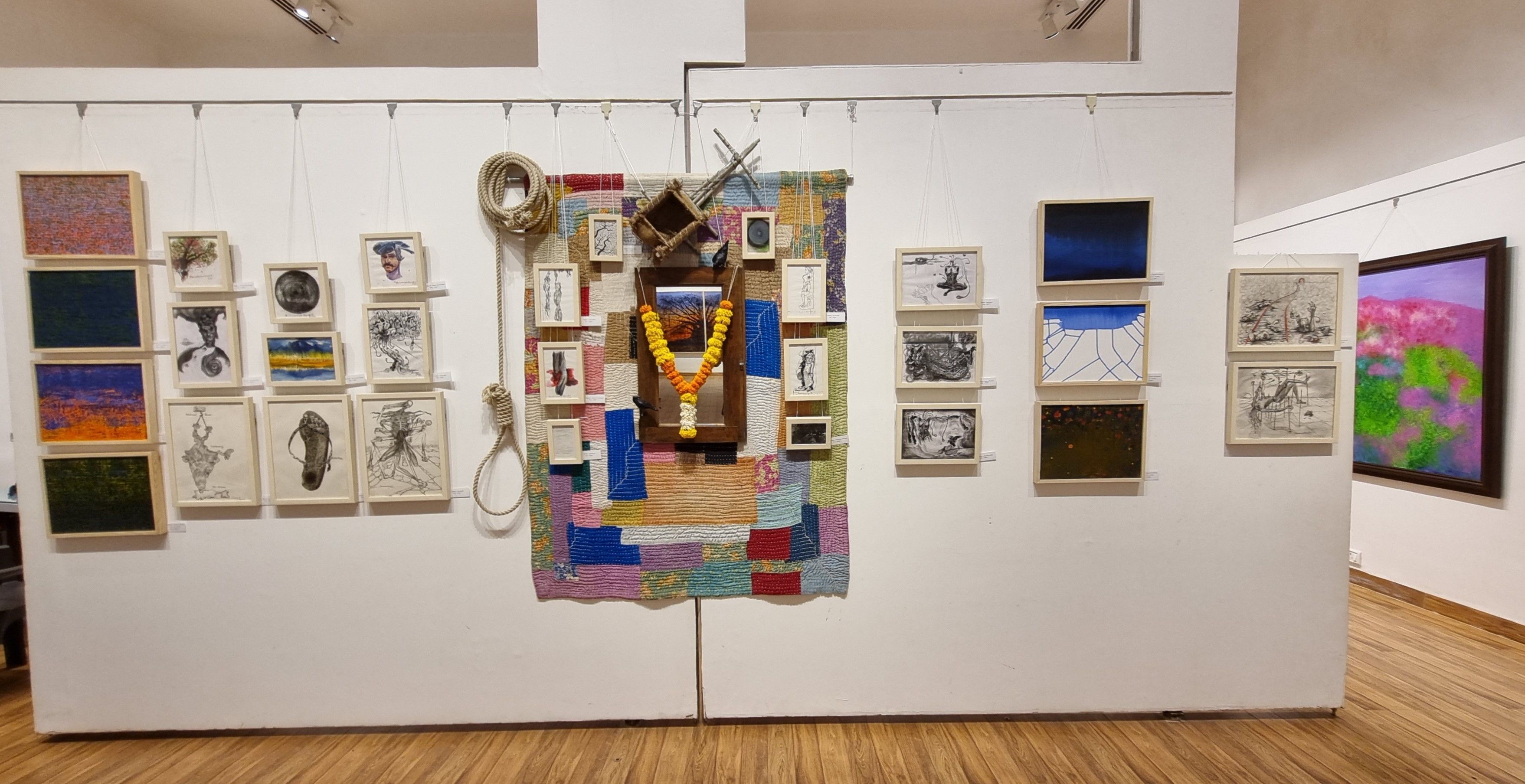
Jehangir Art Gallery is featuring a thought-provoking exhibition this week by Dipak Ankalkhope, titled Shetambari Chapter 2: Where Earth Meets The Sky. See our coverage of earlier exhibitions at this iconic Mumbai gallery here.
“I was born into a farmer’s family, where I closely experienced the realities, struggles and quiet dignity of agrarian life,” Ankalkhope tells YourStory.
Also Read Year in Review: The great Indian consumer reset powered by protein, pickleball and micro-dramas
Farming is not just a profession. “It is a deep-rooted cultural identity and a way of understanding the world,” he adds.
Originally from Sangli, Ankalkhope has an MFA from Dr Babasaheb Ambedkar Marathwada (BAM) University, where is also pursuing his PhD degree. He has participated in exhibitions and workshops across Maharashtra, Karnataka and Gujarat, with a string of medals and awards to his credit.
His current exhibition was inaugurated by eminent personalities from the art and media worlds, such as Dadasaheb Parag Bedase, Pradip Chandra, Hesh Sarmalkar, Nilesh Khare, Surendra Jagtap, Ravindra Torawne, and Pisurwo Jitendra Suralkar.
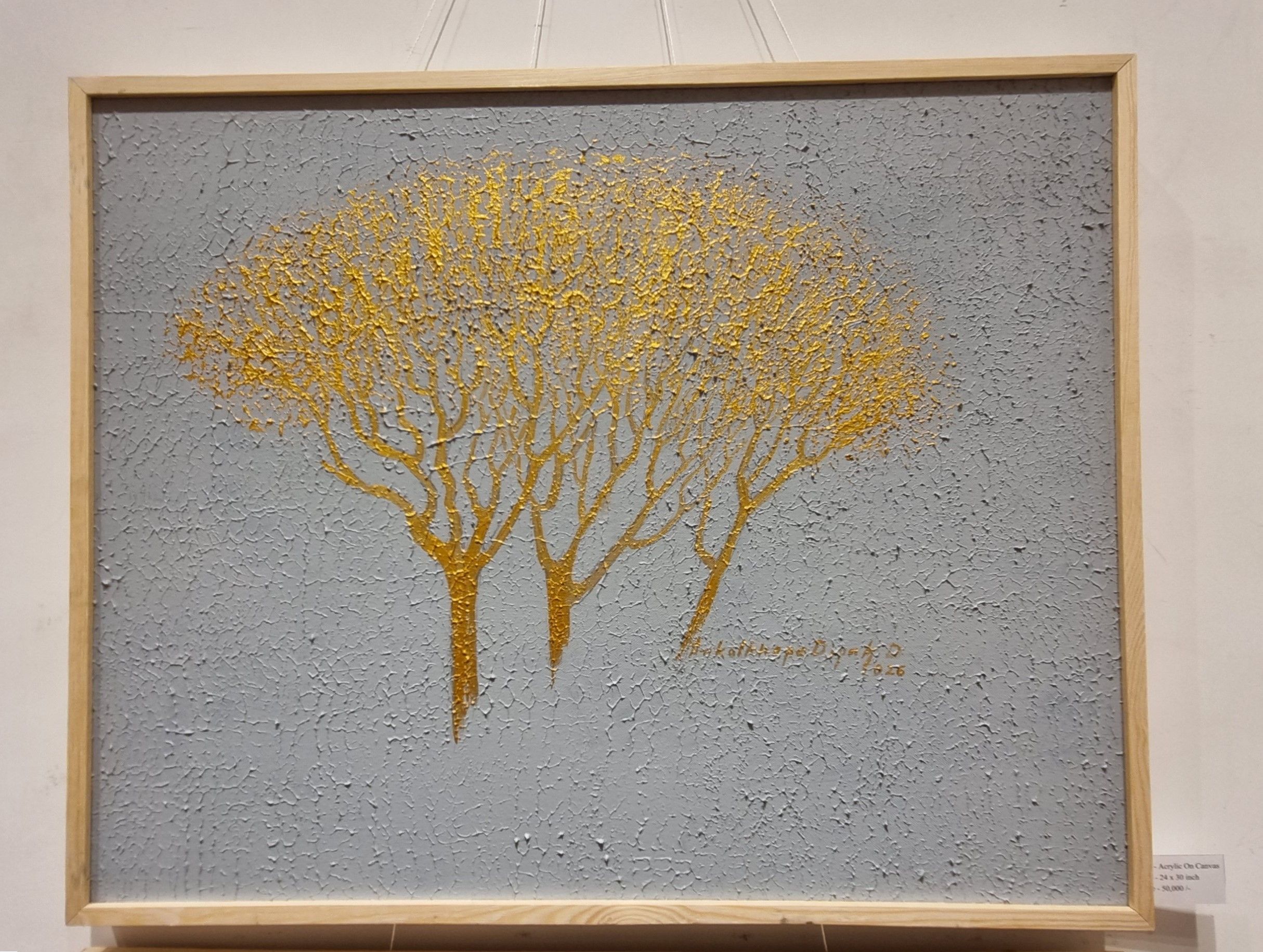
“This body of work emerges from my ongoing series Shetambari. The word Sheta refers to cultivated land, while Ambari suggests a nurturing, protective presence,” Ankalkhope explains.
Together, the words describe a space where life grows sustained by both earth and sky. “The soil that feeds us and the water that nourishes it are not separate forces; they exist in a continuous relationship, shaping human existence,” he says.
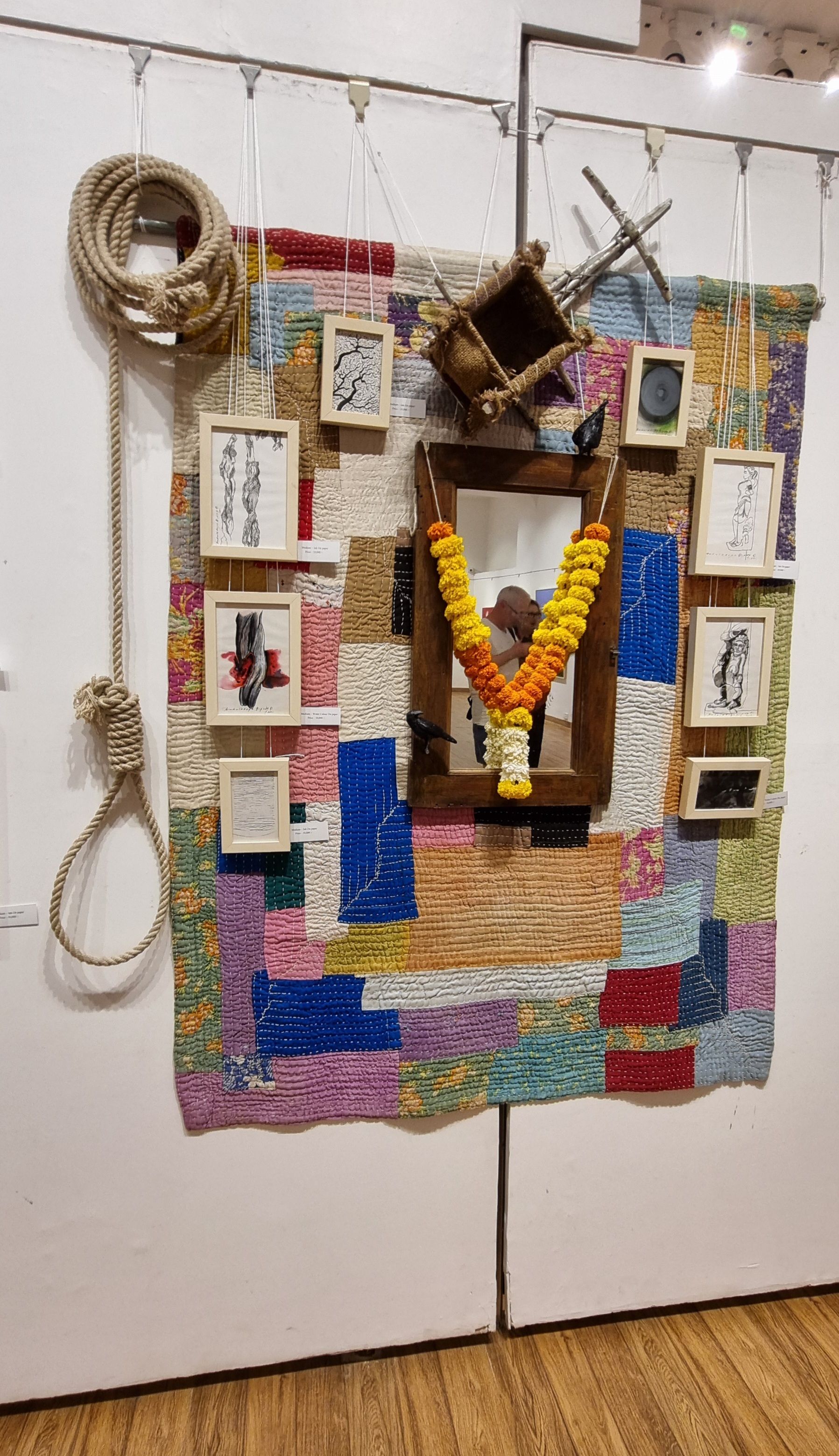
“Through these works, I reflect on the present condition of farmers their resilience, their struggles, and their silent endurance. There is a quiet strength in their lives that often goes unnoticed, yet it forms the foundation of our survival,” he affirms.
Also Read Year in review: What 2025’s data tells us about women in India
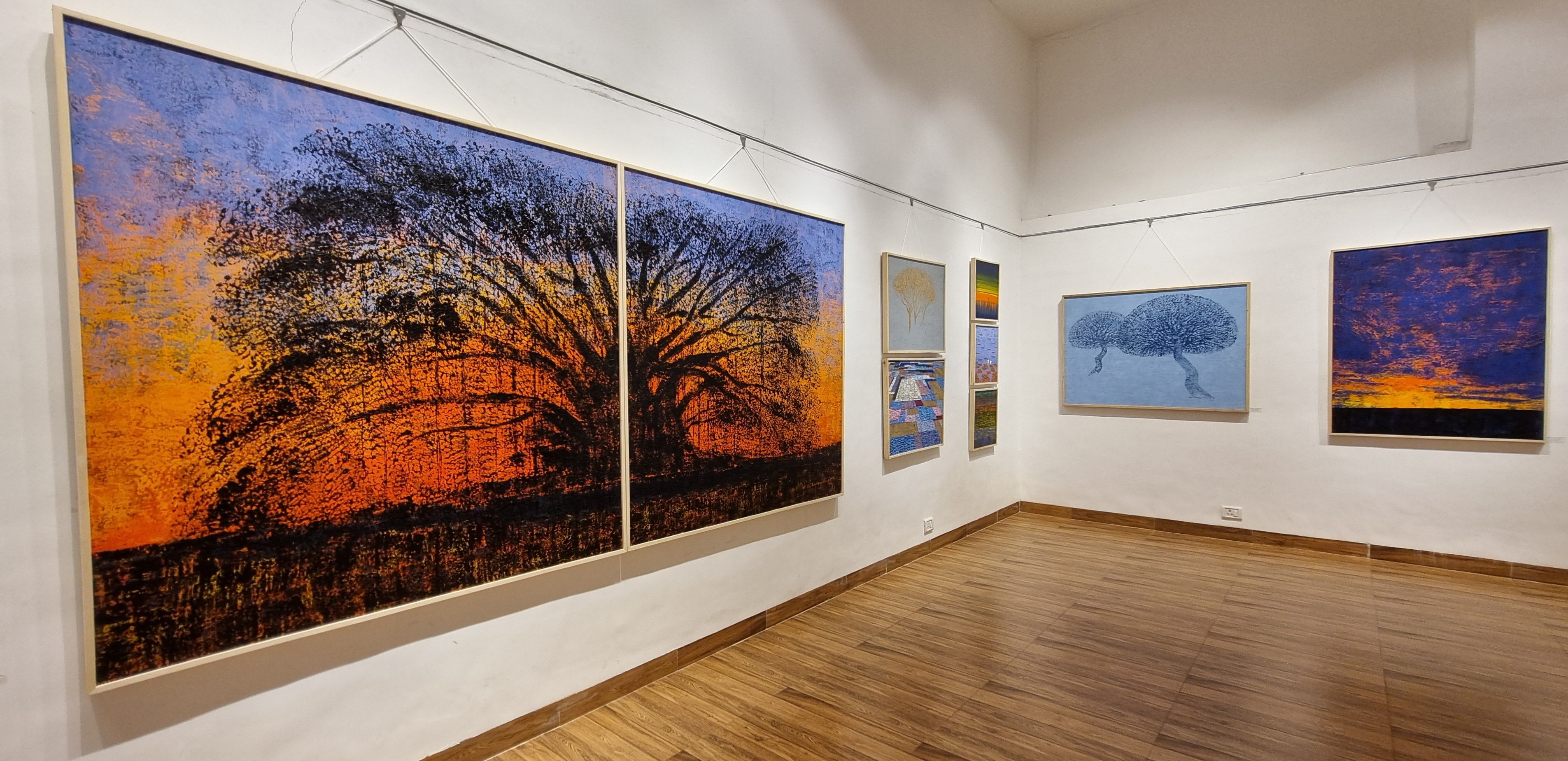
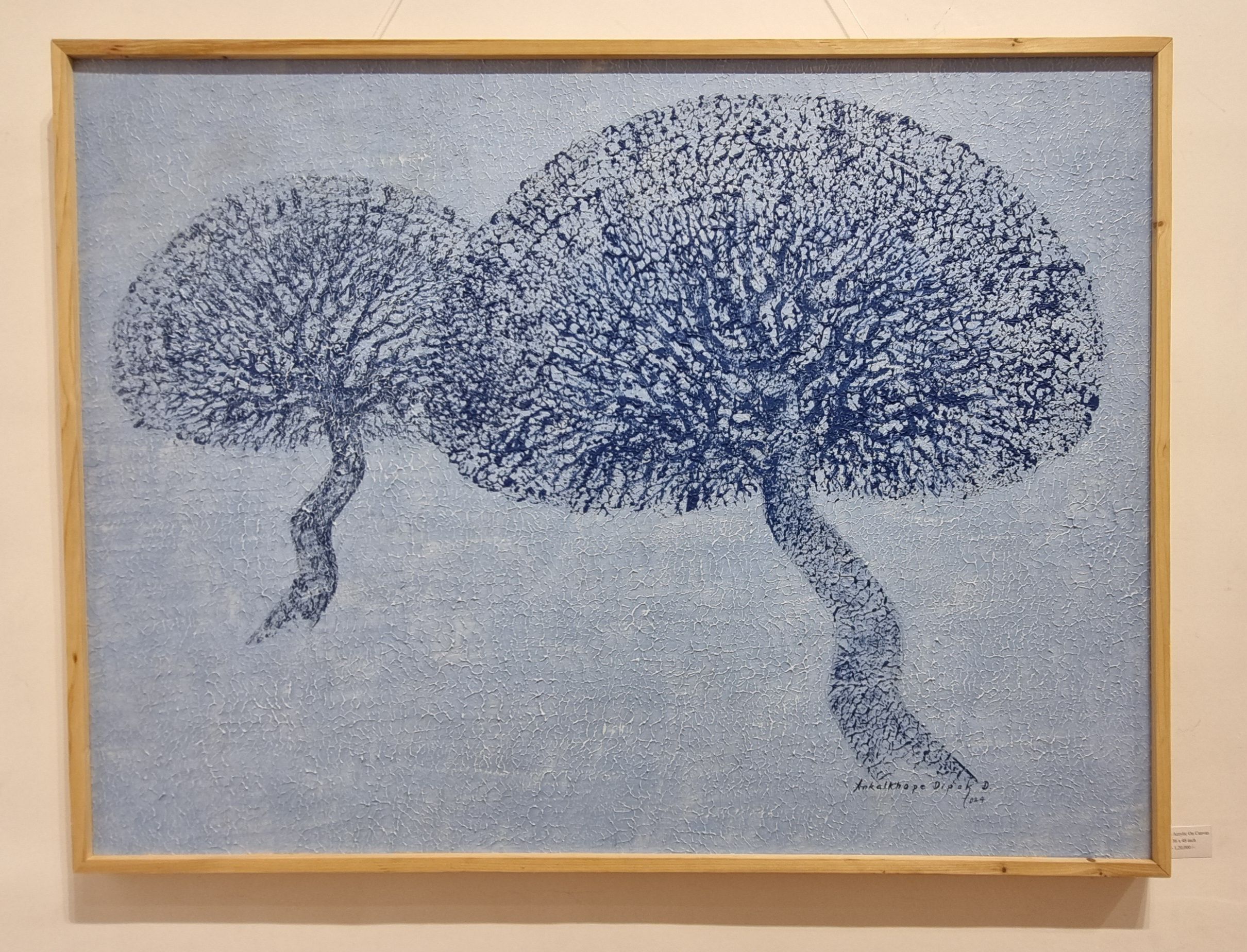
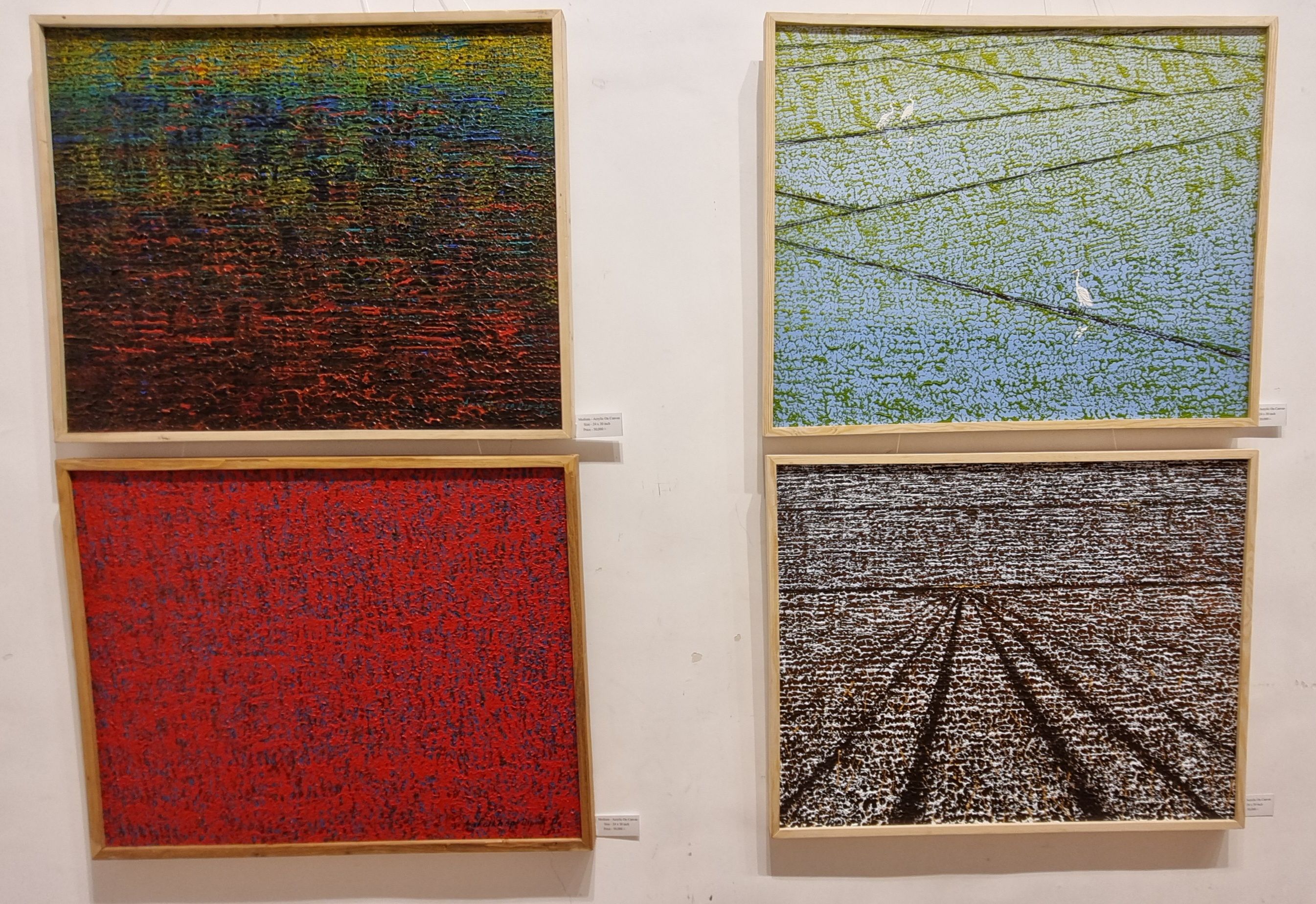
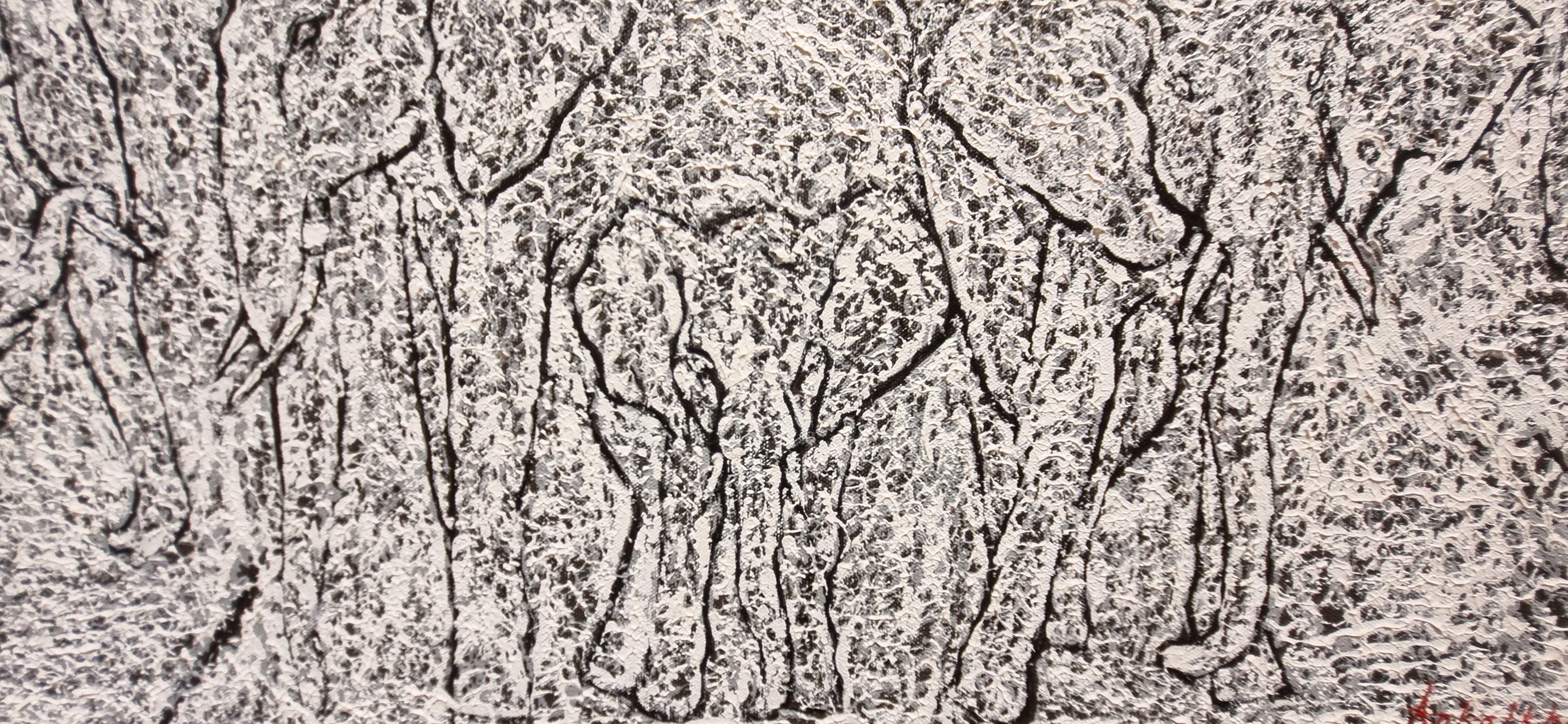
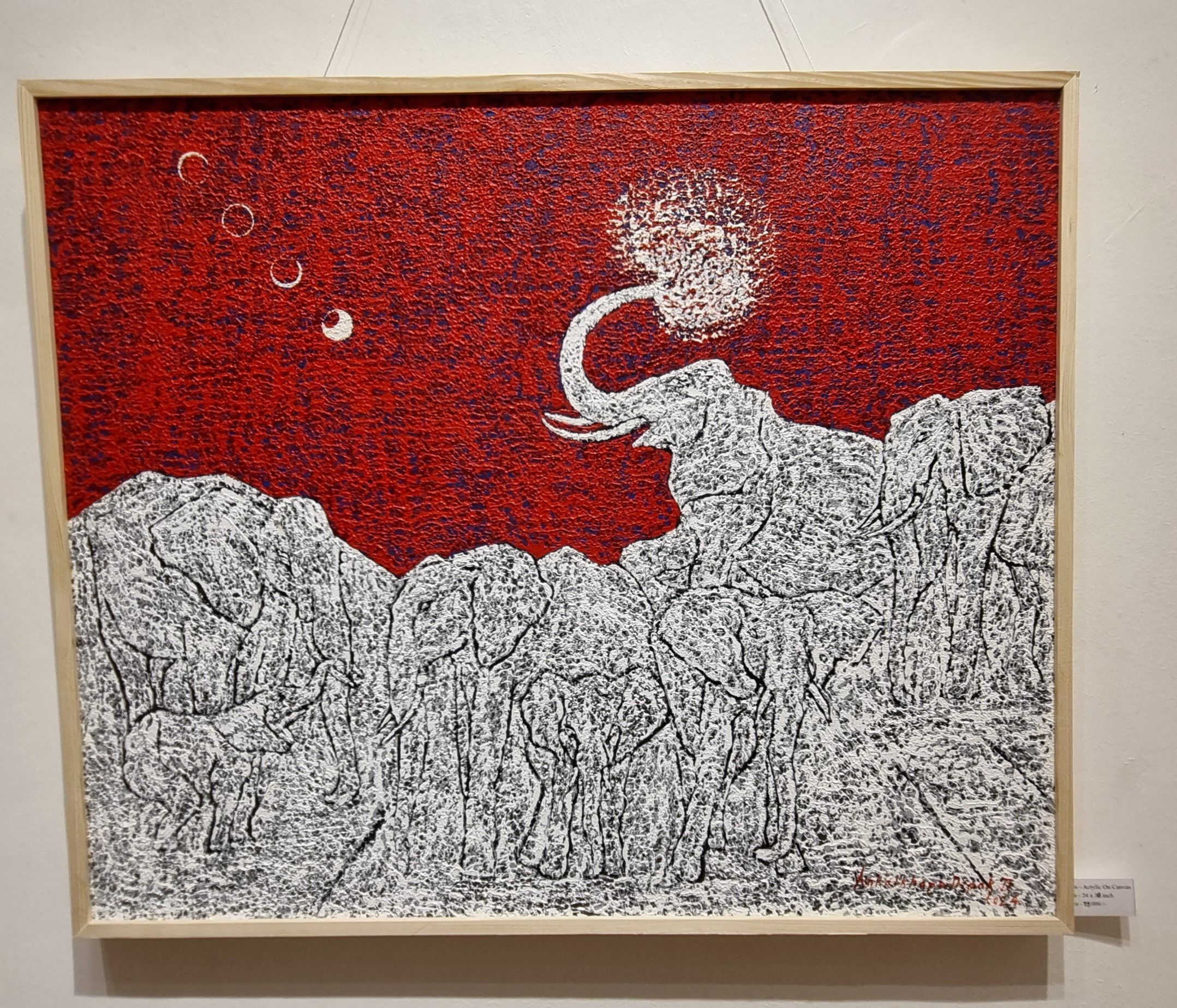
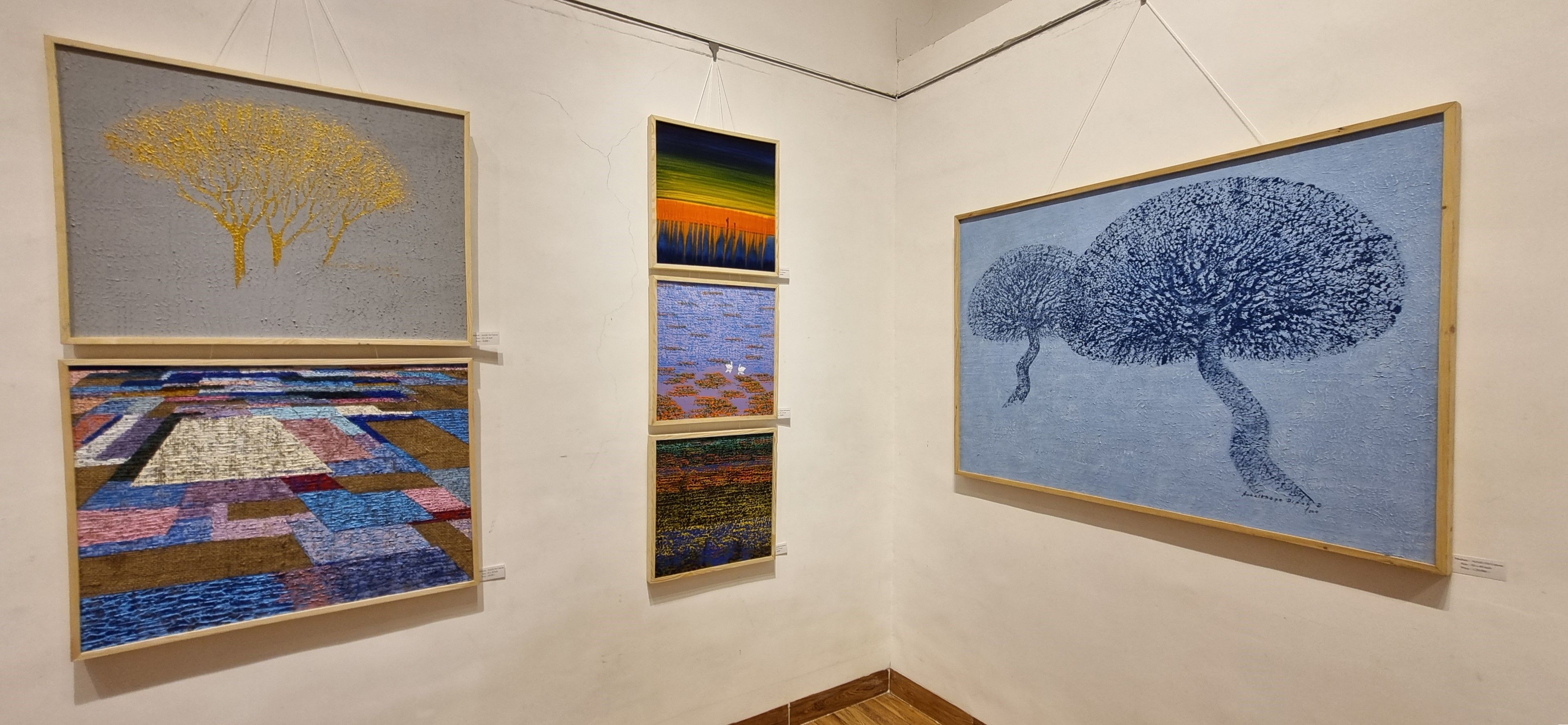
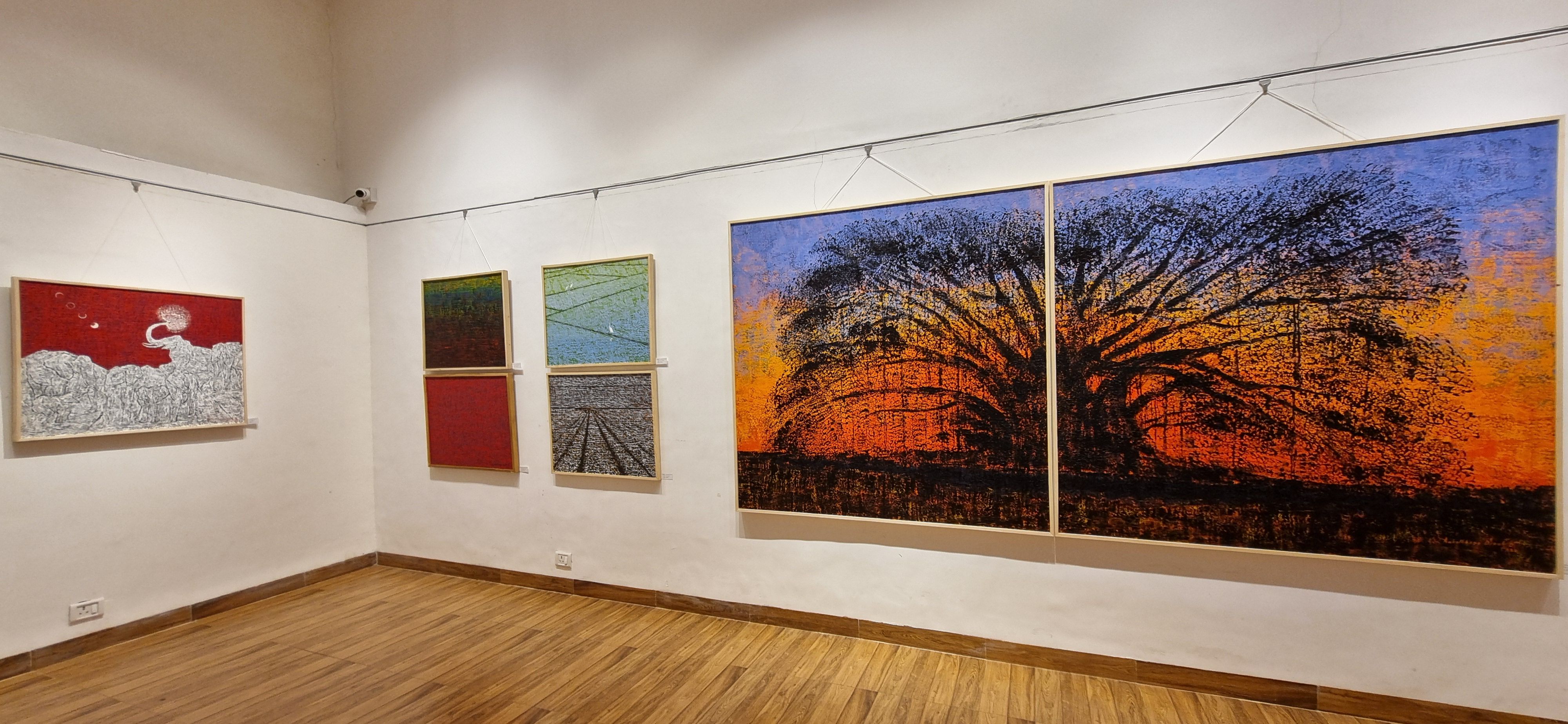
Working primarily in acrylic on canvas, Ankalkhope explores texture as a key element of expression. “By incorporating raw materials and experimental techniques, I attempt to bring a tactile, lived quality to the surface. The muted and earthy color palette reflects both the physical and emotional landscape of rural life,” he describes.
Ankalkhope’s exhibition at the prestigious Jehangir Art Gallery thus marks a significant moment in his artistic journey. Established in 1952 and long associated with the evolution of modern Indian art, the gallery has historically served as a platform for both emerging and established artists.
The current exhibition focuses on the emotional and physical landscapes of farming life. The two-part series presents a deeply personal yet socially resonant narrative, reflecting the artist’s own connection to agriculture.
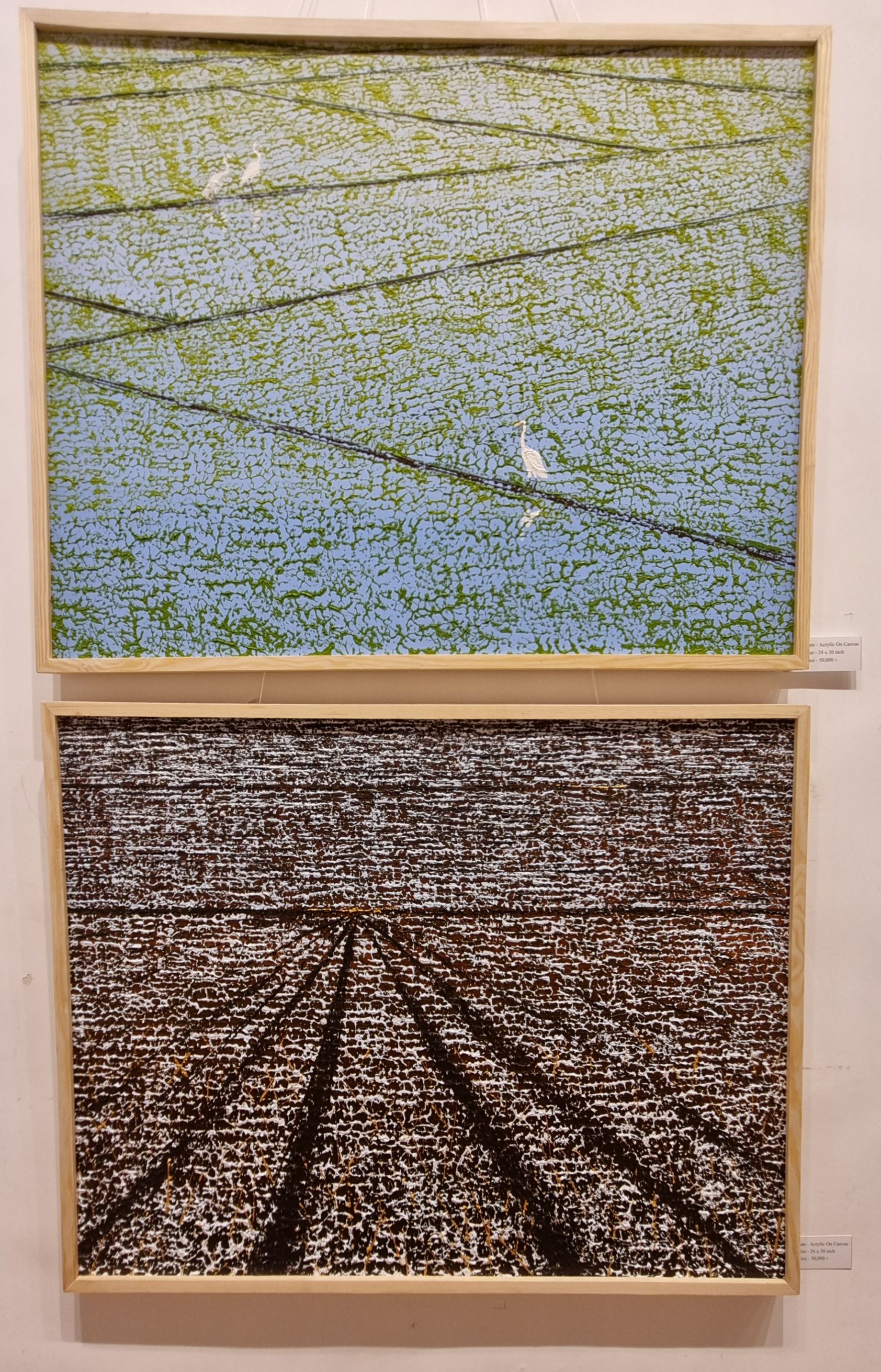
Art has long served as a mirror to society, and the depiction of farmers’ struggles occupies a vital place within that tradition—especially in countries like India, where agriculture sustains millions yet often remains underrepresented in mainstream cultural narratives. By bringing agrarian realities into galleries and public consciousness, artists help bridge the gap between rural experience and urban perception.
At its core, portraying farmers in art is about visibility. Farmers frequently exist at the margins of economic and political power, and their challenges—debt, climate uncertainty, land loss, and market volatility—can feel abstract or distant to those outside rural life.
Art humanises these issues. Through imagery, symbolism and narrative, it transforms statistics into lived experiences, allowing viewers to engage emotionally as well as intellectually.
Also Read Year in Review: Top 10 celebrity-backed ventures of 2025
Such depictions also function as social commentary and critique. Artists can question systems that perpetuate inequality—whether exploitative supply chains, environmental degradation, or policy failures.
A painting or installation can subtly yet powerfully expose structural injustice. It can prompt dialogue in spaces that might otherwise avoid these conversations.
Equally important is the role of art in preserving cultural memory and identity. Farming is not just an occupation; it is intertwined with traditions, rituals and ways of life that have shaped communities for generations.
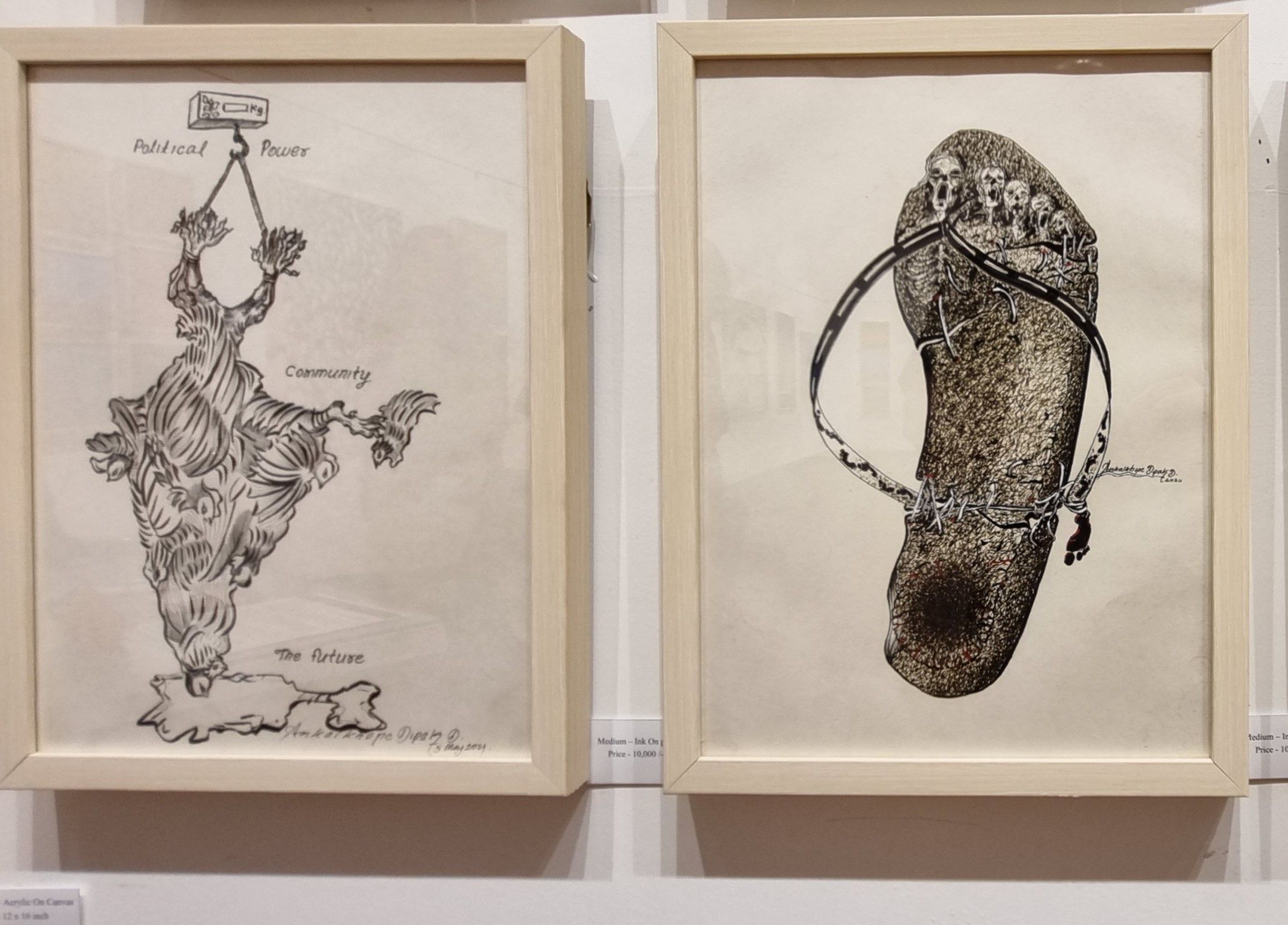
Artist communities can document both hardship and resilience of farmers. Artists can archive a rapidly changing rural landscape, ensuring that these histories are neither erased nor oversimplified.
Depicting farmers’ struggles also invites empathy and ethical reflection. When viewers encounter these works, they are encouraged to consider their own relationship to food systems, consumption and labour.
This can foster a deeper awareness of interdependence, and reflection on how urban comfort is linked to rural toil. This may even influence public attitudes and policy discourse over time.
Also Read How IIT Madras Incubation Cell is powering India’s next-gen deeptech startups
Finally, such art underscores the dignity and resilience inherent in agrarian life. While it is crucial to highlight hardship, meaningful representations avoid reducing farmers to symbols of suffering alone. Instead, they balance struggle with strength, endurance and hope, offering a more nuanced and respectful portrayal.
Art that engages with farmers’ struggles is thus not merely descriptive—it is advocacy, documentation and dialogue combined. It challenges indifference, preserves voices, and reminds society of the human foundation beneath its food systems.
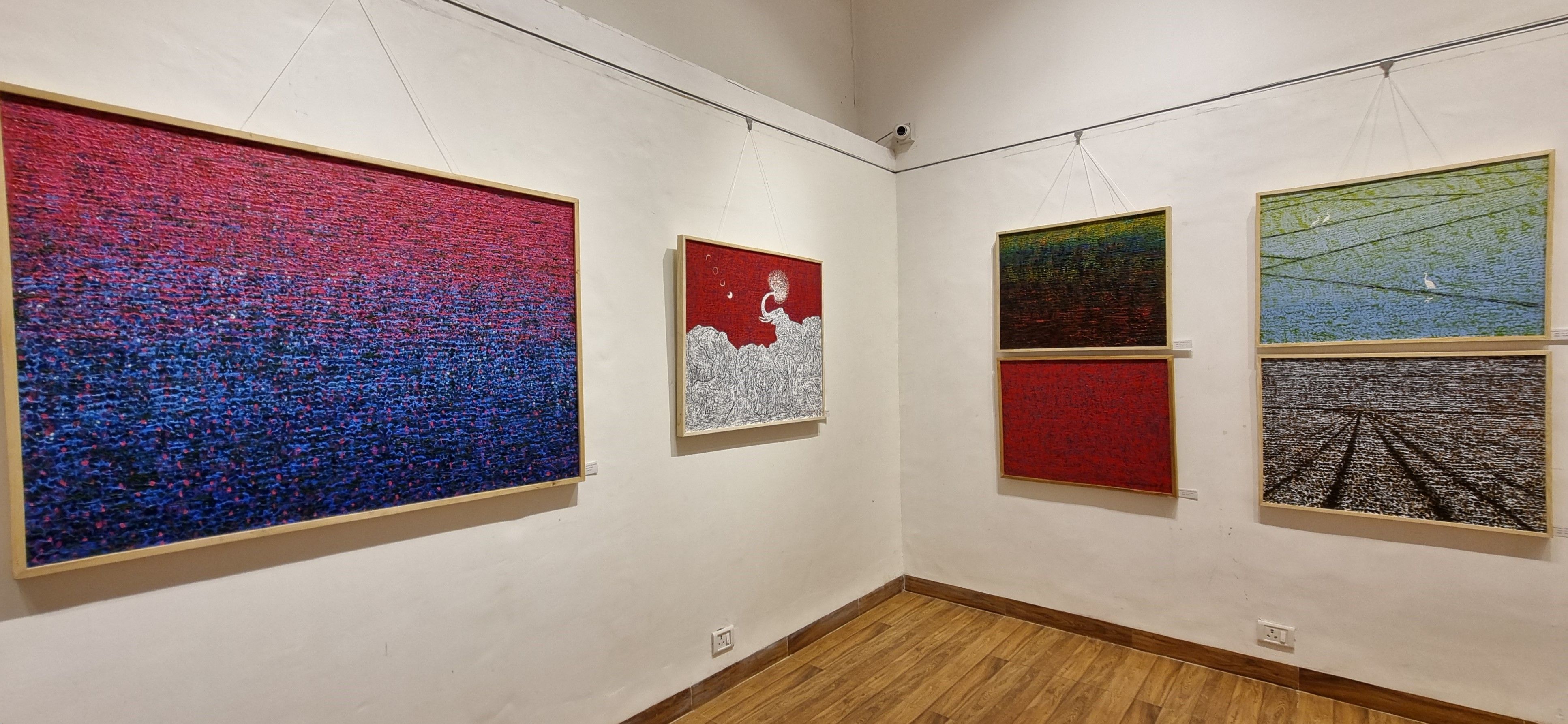
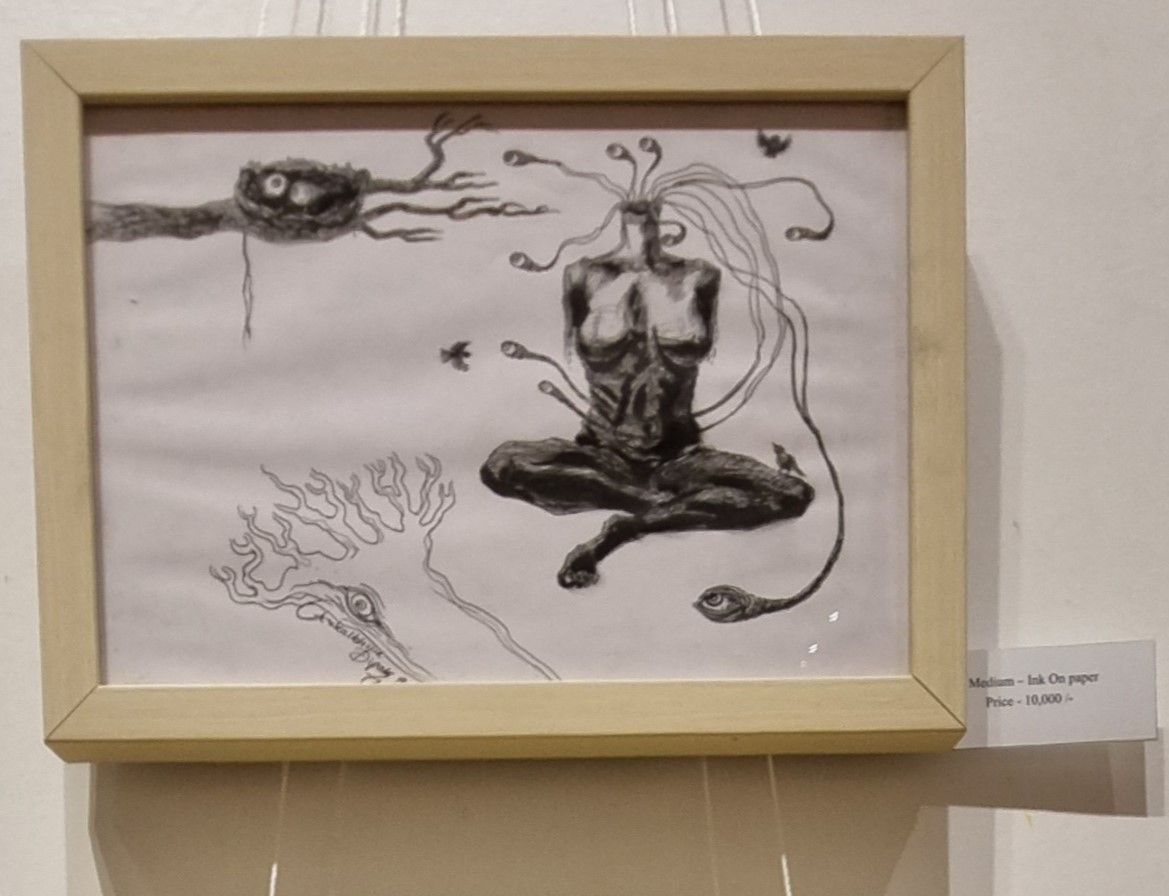
In this regard, Ankalkhope’s exhibited artworks reflect dynamic compositions and textured surfaces. They also convey the duality of rural existence—hardship intertwined with fleeting moments of joy.
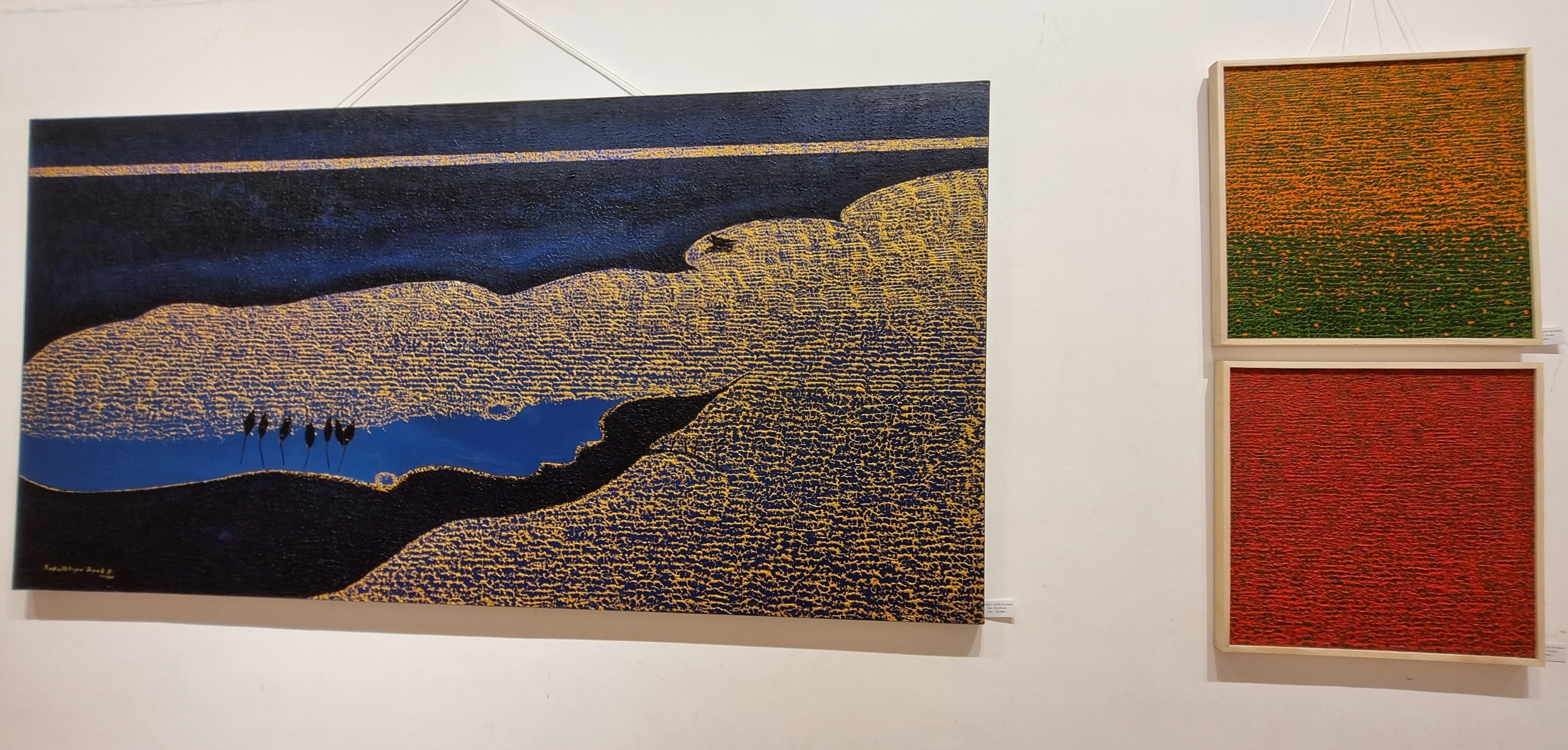
Visually, the exhibition stands out for its immersive quality. The canvases, rich with layered pigments and symbolic imagery, seem to “grow” across the surface, echoing the organic processes of cultivation.
Motifs such as roots and crops reinforce the inseparable bond between farmers and the land. The use of intense colour heightens the emotional impact.
The show positions Ankalkhope as among contemporary artists addressing urgent social themes. Critically, the exhibition extends beyond visual appreciation, which is an achievement in its own right.
Also Read Year in review: startups that raised big from VCs in 2025
The art showcase functions as a call for reflection, urging viewers to reconsider the socio-economic realities of farmers and their essential role in society. By bringing rural narratives into an urban gallery setting, Ankalkhope creates a dialogue between disparate worlds, making the invisible visible.
In sum, the exhibition exemplifies how contemporary art can bridge personal history and public discourse. It reinforces the role of galleries like Jehangir as spaces for both artistic and social engagement.
“My work is not just a representation of nature, but an attempt to feel it, to live within it, and to translate its rhythms into a visual language. It invites the viewer to pause, observe, and reconnect with the deeper layers of existence that often remain unseen,” Ankalkhope signs off.
Now what have youdone today to pause in your busy schedule and harness your creative side for a better world?
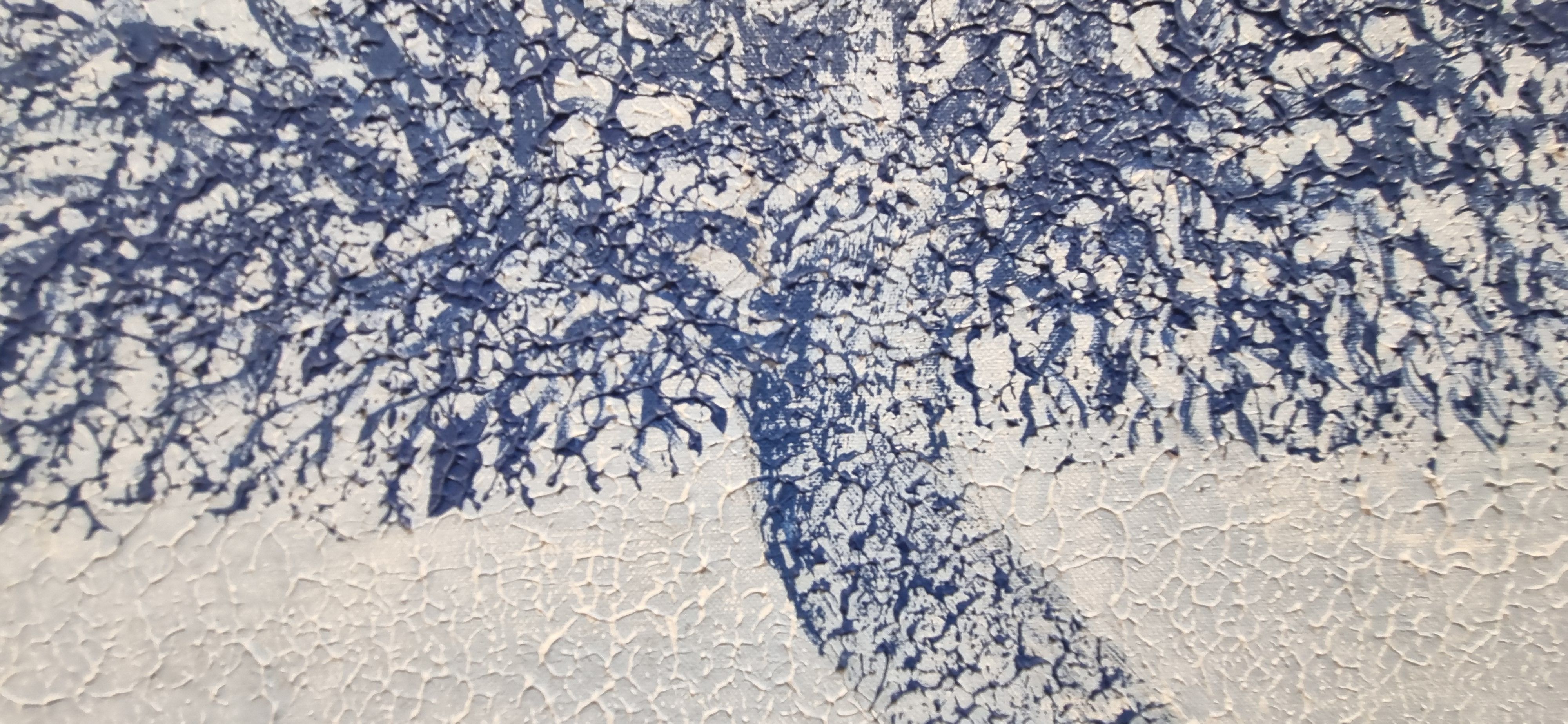
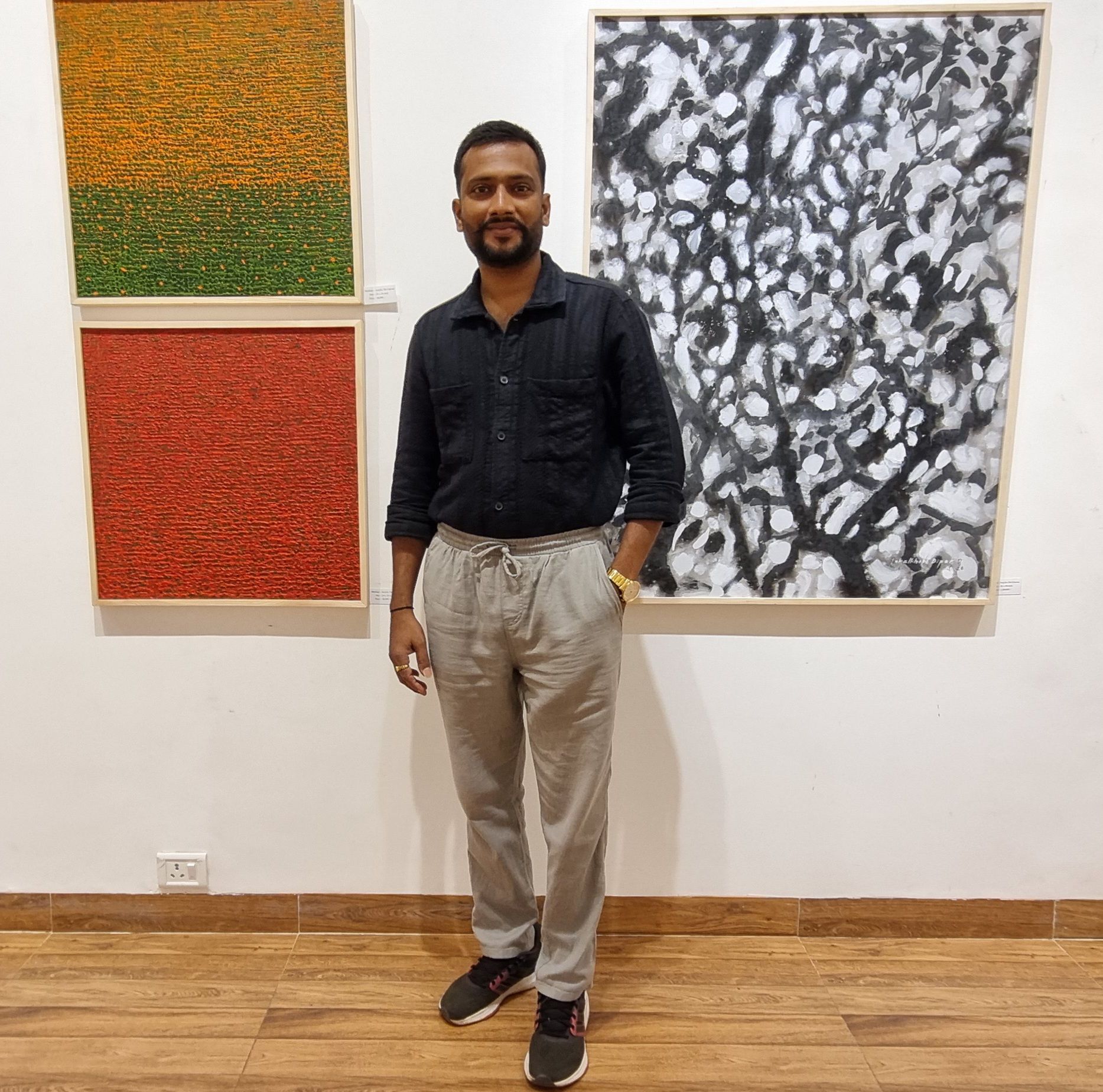
Dipak Ankalkhope
(All photographs taken by Madanmohan Rao on location at Jehangir Art Gallery.)
Original Article
(Disclaimer – This post is auto-fetched from publicly available RSS feeds. Original source: Yourstory. All rights belong to the respective publisher.)