As design teams race to create user experiences that are faster, smarter, and more engaging, AI is reshaping the UI/UX industry. From design inspiration to automated wireframing and real-time user behavior tracking, AI-powered tools are making it easier than ever for businesses to scale their creative output while maintaining consistency. In 2025, these tools are not just assisting designers — they are redefining the way products are built. Below are the Top 5 AI UI/UX Tools in 2025 that every designer, developer, and business should know about:
Khroma: Best AI UI/UX Tools
Overview:
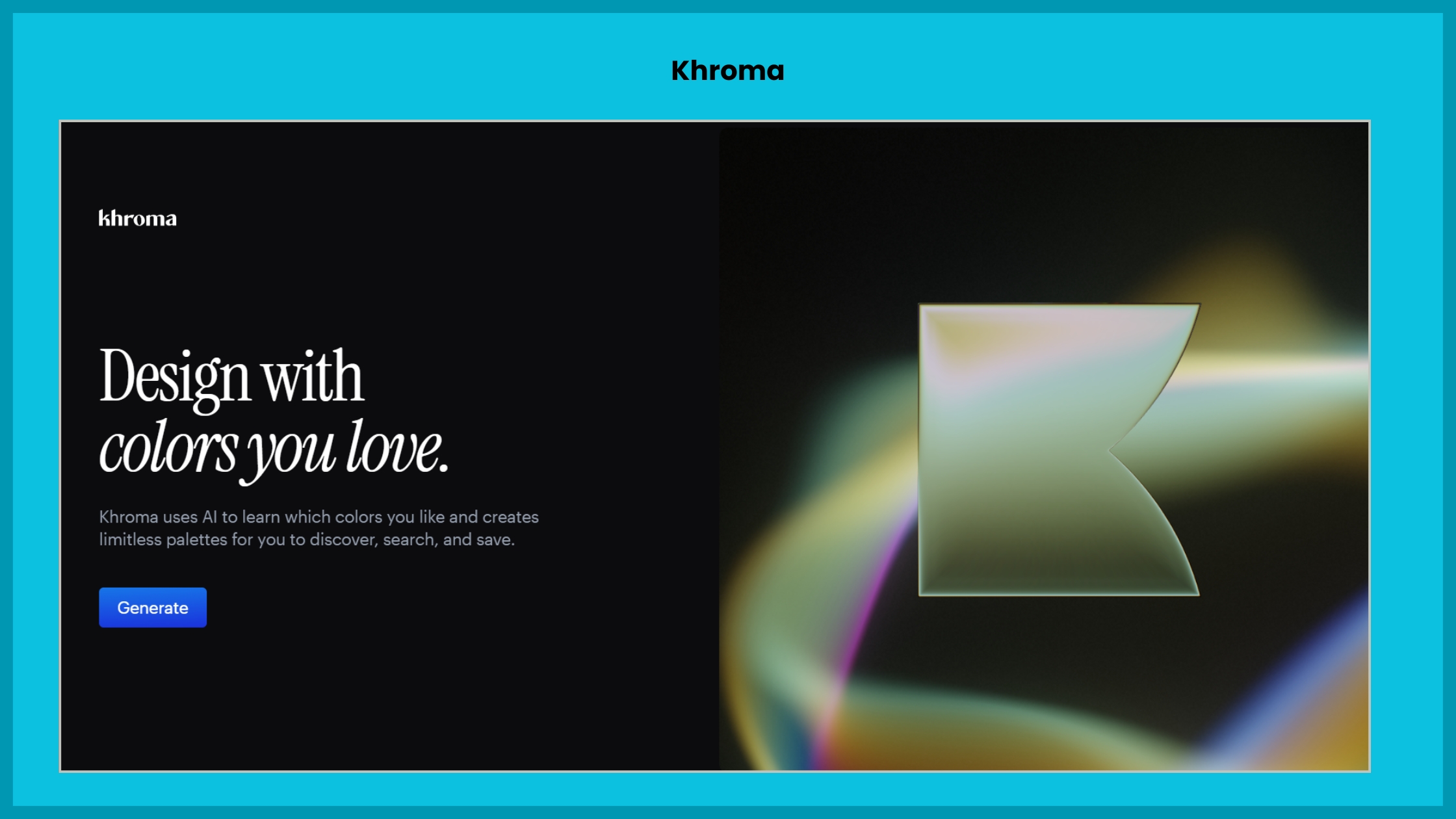
Khroma is an AI-powered color tool that helps designers discover and generate unique color palettes. By training the AI on your favorite colors, it produces endless combinations that align with your design style. Its intuitive interface allows you to preview palettes on typography, gradients, and UI elements instantly.
Best For: Designers, branding teams, and creatives seeking personalized and consistent color palettes.
Website Link: khroma.co
Khroma Pricing:
- Free to use with unlimited color combinations
Uizard: Best AI UI/UX Tools
Overview:
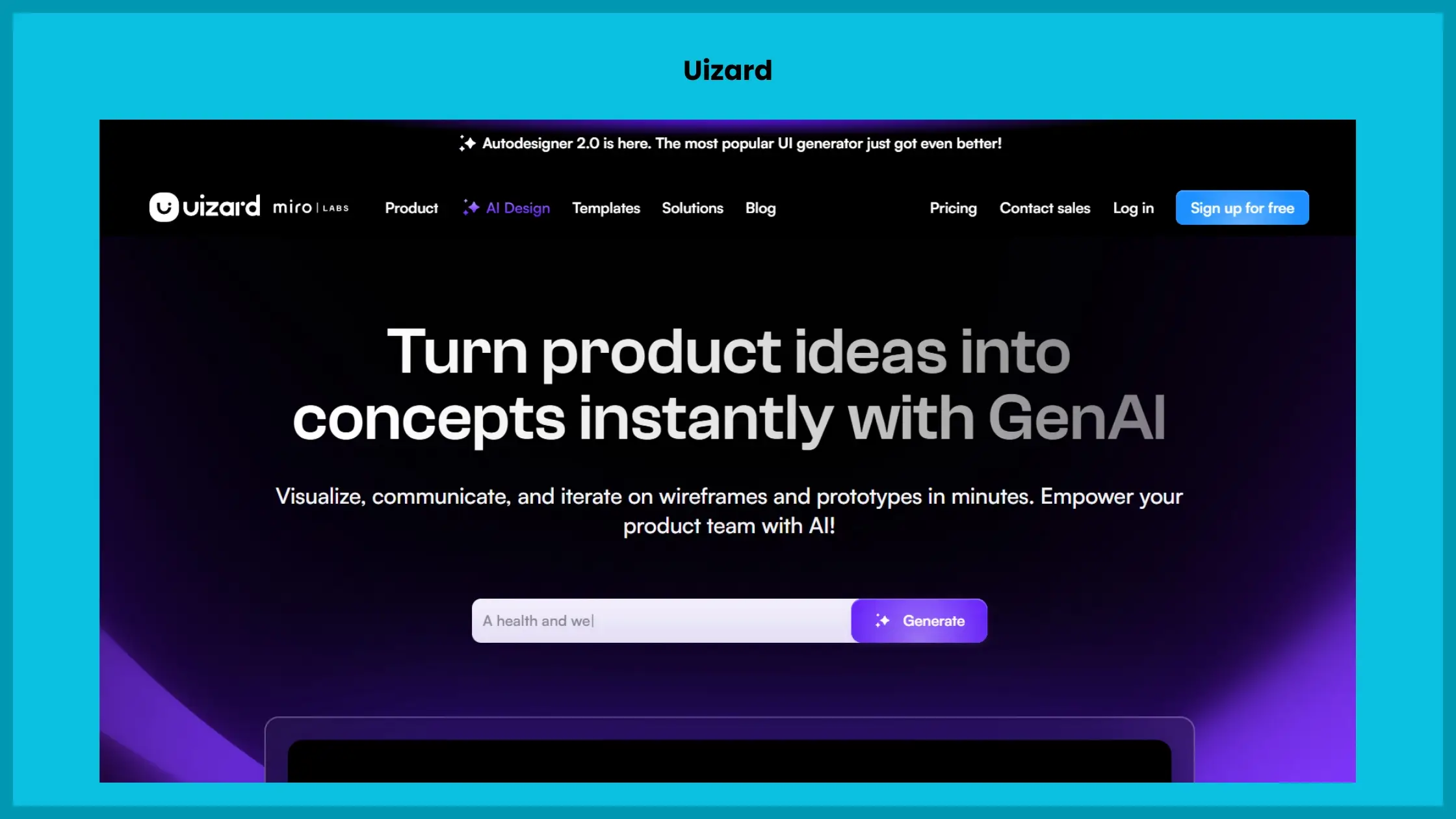
Uizard is an AI-driven design tool that can transform sketches, wireframes, and text prompts into polished digital interfaces. With rapid prototyping features, it allows teams to create mockups, mobile app screens, and websites in minutes. Its collaborative features make it ideal for remote teams working in real-time.
Best For: Product managers, design teams, and startups who need fast prototypes without design expertise.
Website Link: uizard.io
Uizard Pricing:
- Free Plan: Limited features
- Pro Plan: $12/month (billed annually)
- Business Plan: $39/month (billed annually)
Galileo AI: Best AI UI/UX Tools
Overview:
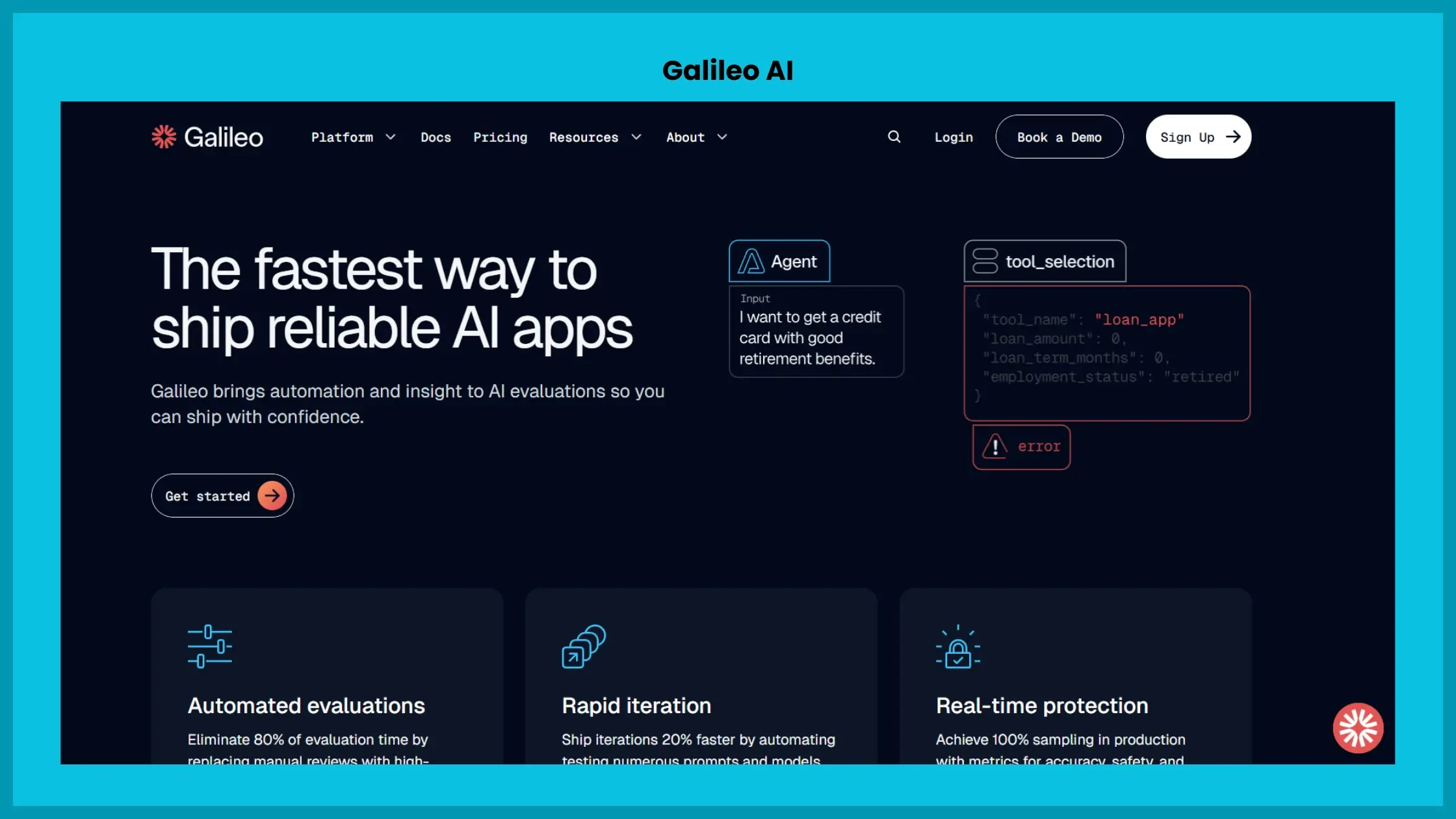
Galileo AI turns natural language prompts into fully designed UI elements. By describing what you want (e.g., “a modern sign-up page with minimal design”), the tool generates functional layouts and design components instantly. It streamlines the ideation process, reducing the time spent on repetitive design tasks.
Best For: UI/UX designers, freelancers, and startups looking for AI-assisted design ideation.
Website Link: galileo.ai
Galileo AI Pricing:
- Developer Plan: Free
- Enterprise: Custom Pricing
Uxpilot: Best AI UI/UX Tools

Overview:
UXPilot is an AI-driven UX research and testing platform that helps designers, product teams, and businesses make data-backed design decisions. It automates user testing by generating heatmaps, usability feedback, and journey analytics without the need for extensive manual testing. With built-in AI models, UXPilot can simulate user interactions, highlight pain points, and suggest actionable improvements for interface designs. Its seamless integrations with popular design tools like Figma and Sketch make it a practical choice for streamlining workflows.
Best For: UX designers, product managers, and startups looking to validate and improve their designs quickly with AI-powered insights.
Website Link: uxpilot.com
UXPilot Pricing:
- Free Plan: Limited AI testing and reporting
- Standard Plan: $12/month (ideal for individuals and freelancers)
- Pro Plan: $22/month (for small teams and advanced analytics)
- Enterprise Plan: Custom pricing for large organizations
Also Read: Top 5 AI Presentation Tools You Should Know in 2025
Visily: Best AI UI/UX Tools
Overview:
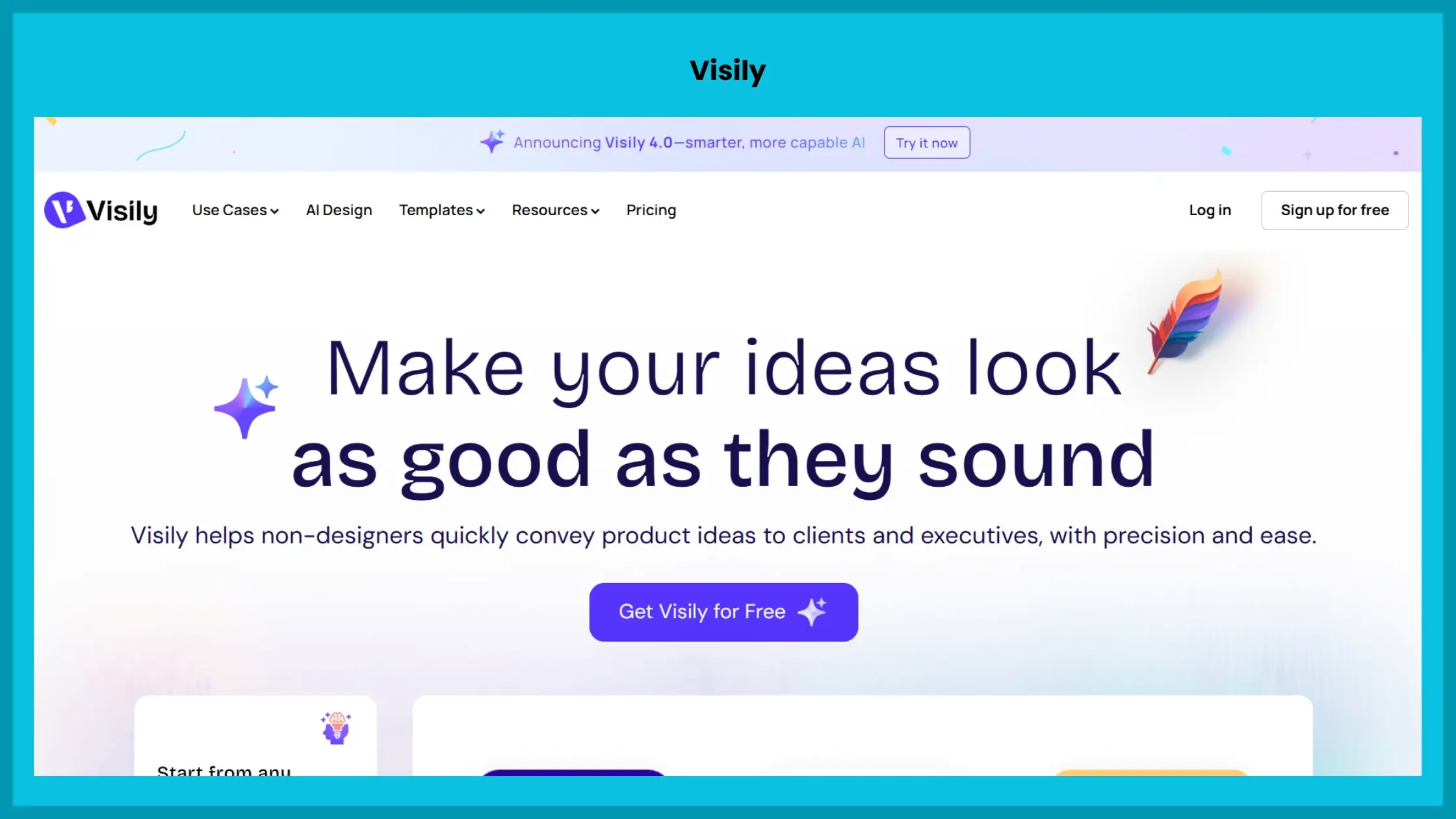
Visily is an AI-powered wireframing and prototyping tool designed to help non-designers create professional-quality UI designs. With templates, drag-and-drop features, and AI assistance, teams can quickly build mockups for apps and websites. It also integrates with collaboration tools, making it great for cross-functional teams.
Best For: Founders, product managers, and teams with little to no design background.
Website Link: visily.ai
Visily Pricing:
- Free Plan: Limited features
- Free Plan: $11/month
- Business Plan: $29/month (billed annually)
- Enterprise Plan: Contact us
Conclusion
In 2025, AI UI/UX tools are no longer just assistants — they’re creative partners. Tools like Khroma and VisualEyes bring data-driven insights into design, while Uizard, Galileo AI, and Visily make building interfaces faster and more accessible for everyone. Whether you’re a seasoned designer or a startup founder with no design background, these tools ensure you can build intuitive, user-friendly experiences at scale. Embracing these AI solutions will help businesses stay ahead in delivering seamless digital interactions.