When you’re on the edge of your seat watching a last-minute touchdown or a game-winning six, the league's balance sheet is probably the last thing on your mind. Fair enough. But behind every sold-out stadium and every fan wearing a jersey, there's a multi-billion dollar business machine humming along. These professional sports leagues are incredible examples of how to build a global brand, hook an audience, and generate a mind-boggling amount of money.
This isn't just a list of big numbers. We're going to break down the business models of the world's biggest sports leagues to find some real, practical lessons for entrepreneurs. Building a company isn't so different from building a league: you need loyal fans (customers), a great team (your product), and a solid plan to grow.
How do top sports leagues generate revenue?
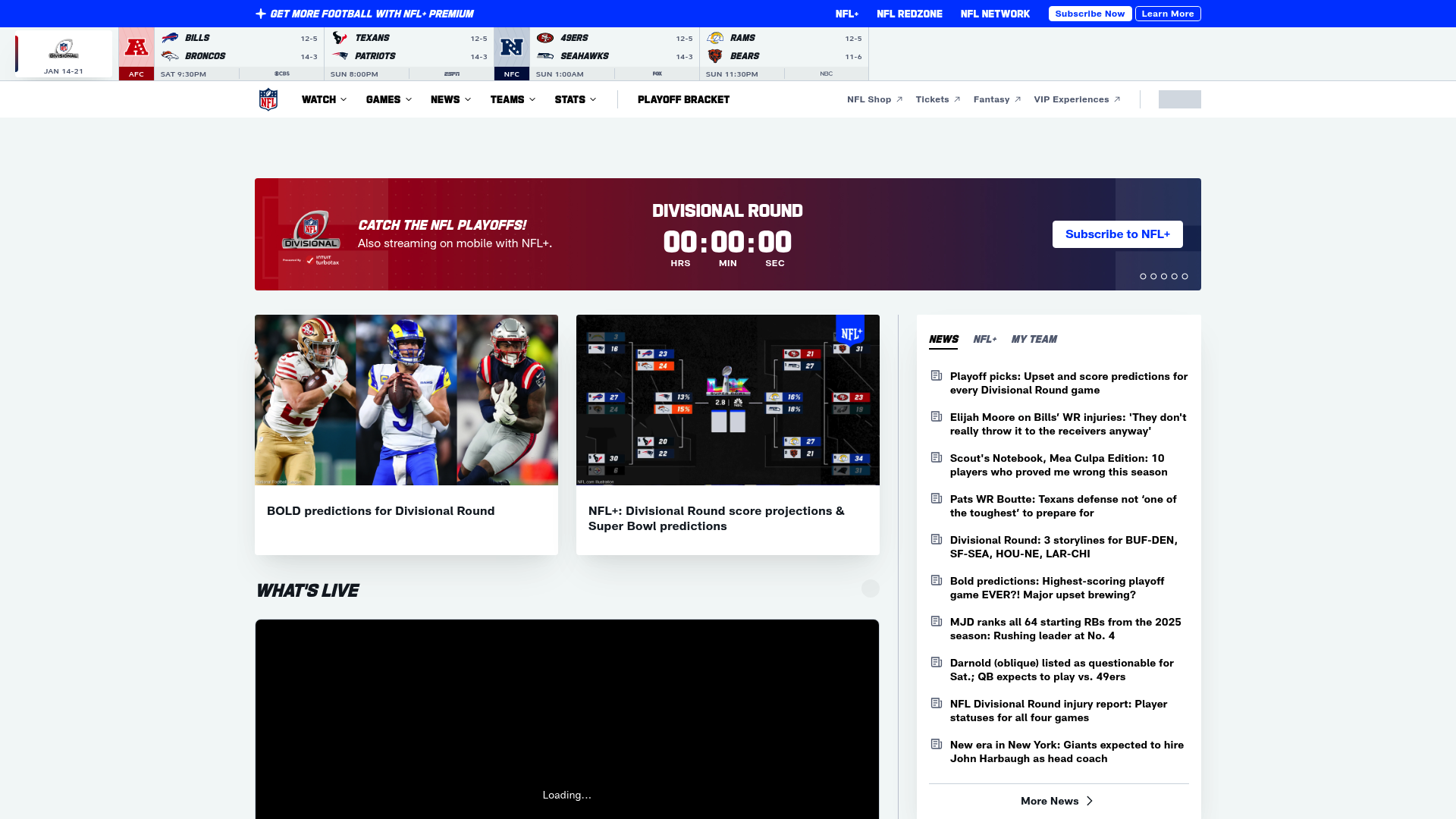
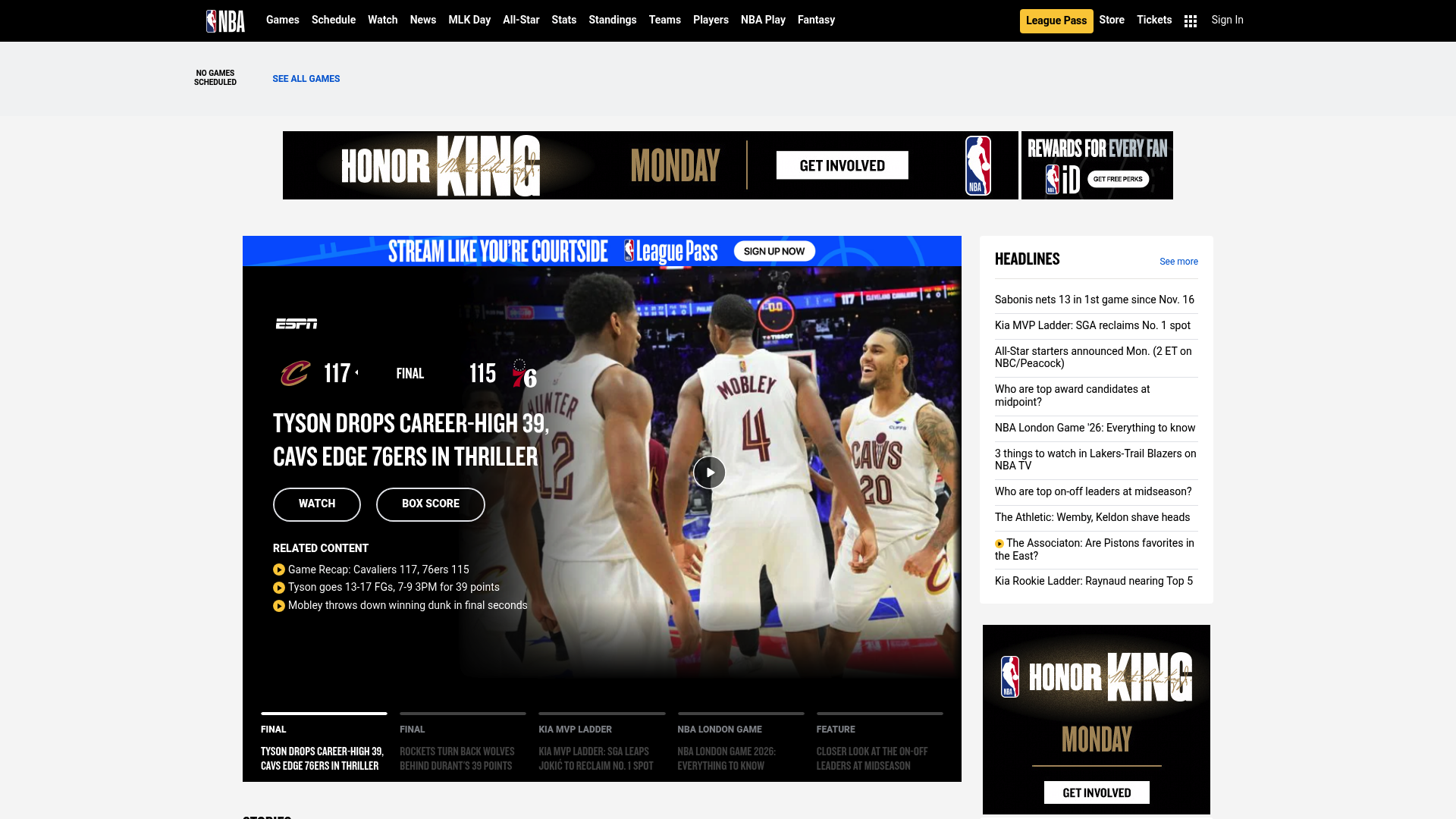
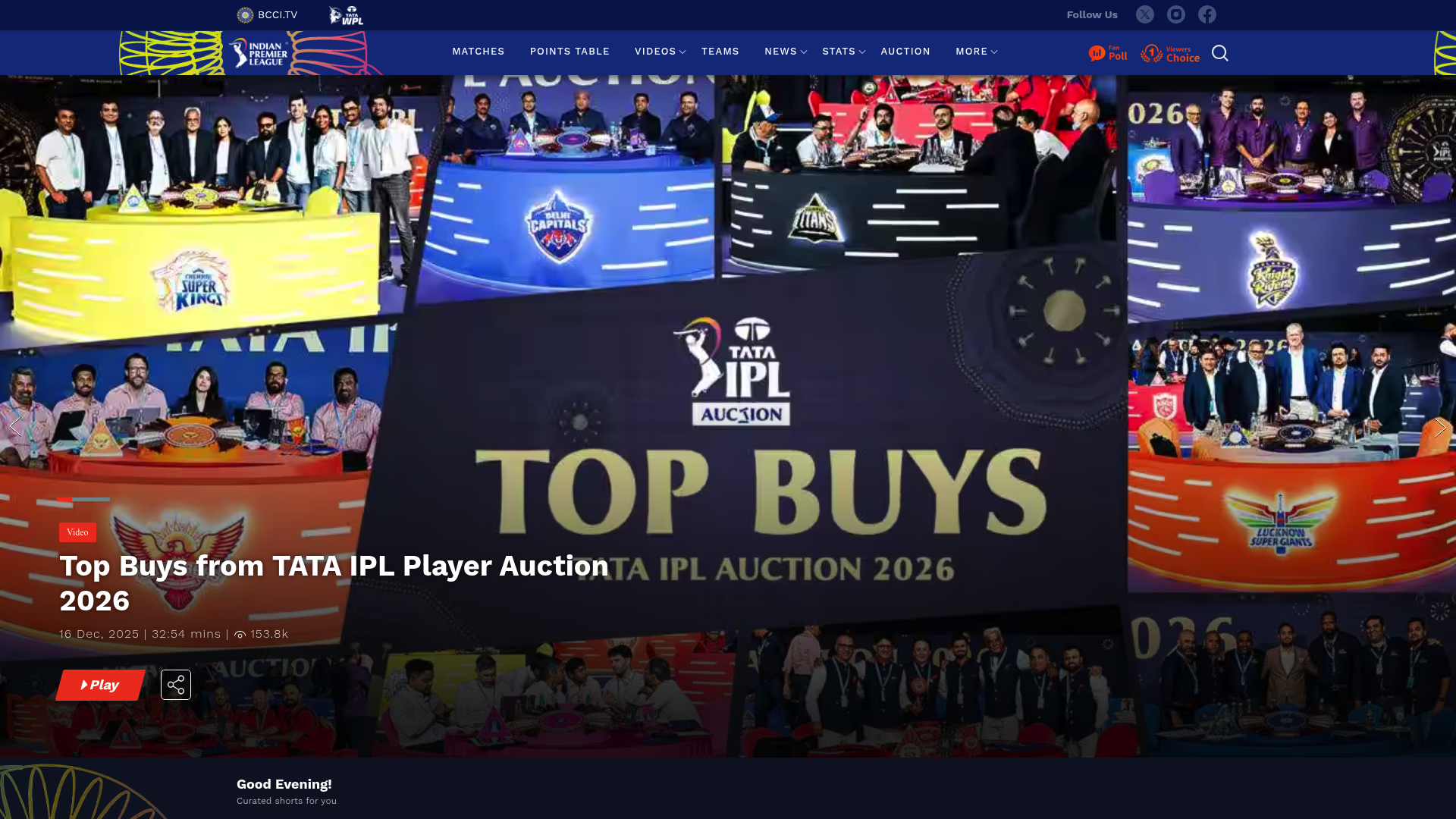
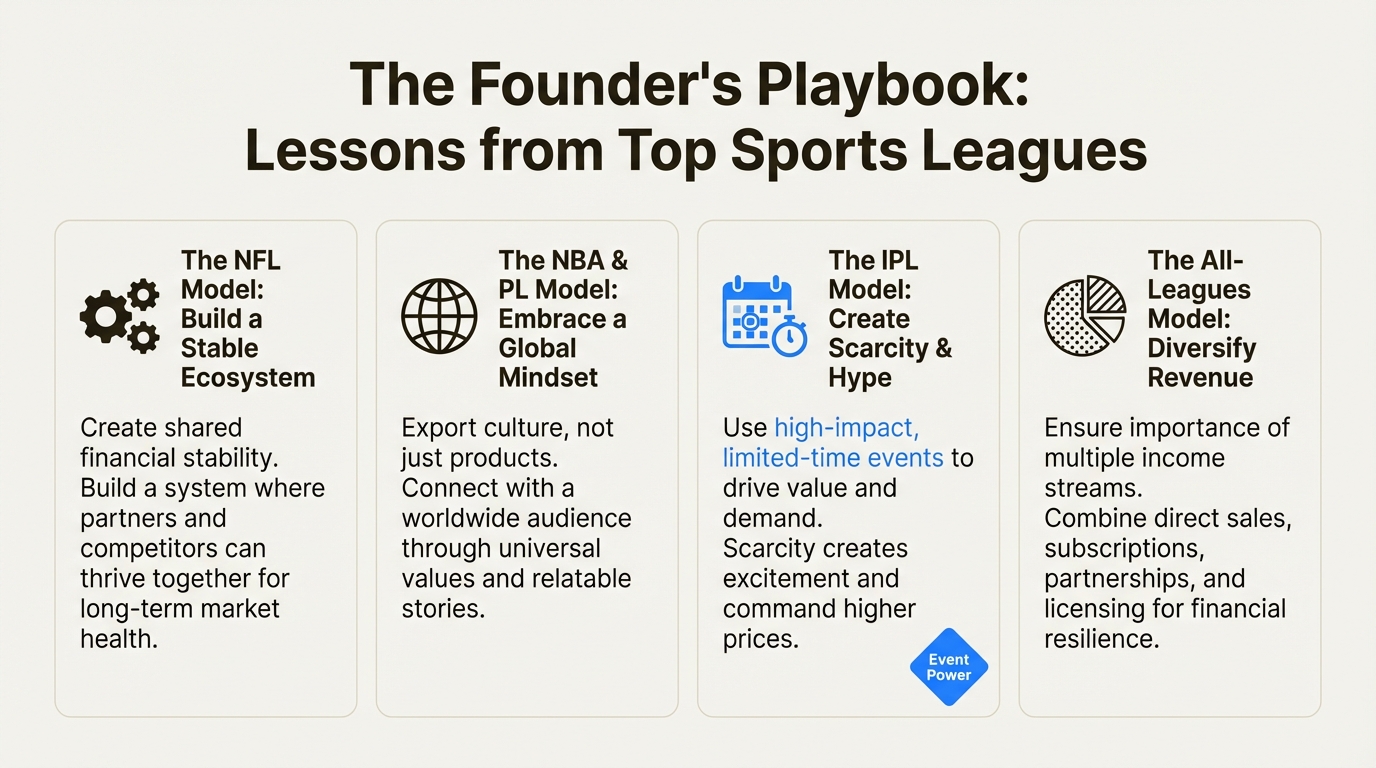
So, how do these leagues pull in billions? While we only see the action on the field, the real money is made behind the scenes through a few key channels. It’s a business model any founder looking to build multiple income streams should take a look at. To give you a clear breakdown, we didn't just grab numbers randomly. We used a few specific criteria to put this list together. First, our main ranking factor is the latest verified annual revenue from the most recent season. We’re using hard numbers to give you the most accurate snapshot of their financial power. Second, we considered business model diversity. We didn’t just pick the top five by revenue alone; we selected leagues that demonstrate different paths to success. You’ll see the contrast between a US-focused model built on shared income and a global system based on performance. Finally, we focused on relevance for entrepreneurs. Each league here offers solid lessons in dominating a market, monetizing a fanbase, expanding globally, and building a brand. They are fantastic case studies for anyone trying to build a business that lasts. Here’s a high-level look at the financial giants we'll be breaking down. This table gives you a snapshot of who they are, how much they make, and what drives their success. Now, let's get into the details of what makes each of these leagues so successful. The NFL is the undisputed king of sports revenue. It has perfected the art of monetizing a domestic audience on a scale that’s hard to wrap your head around. As one of America's oldest professional leagues, MLB's financial strength comes from something quite simple: the sheer number of games it hosts. The NBA is a perfect example of a modern, culturally relevant, and truly global sports brand. It has successfully placed itself at the crossroads of sports, entertainment, and fashion, connecting with a young, diverse audience around the world. When it comes to taking a domestic sport and selling it to the world, the English Premier League is the gold standard. It is, by a long shot, the most-watched football league on the planet. The IPL is one of the biggest shake-ups the sports world has seen this century. In under two decades, it has completely changed the sport of cricket, becoming one of the fastest-growing and most valuable leagues anywhere. The success of these leagues isn't an accident; it’s the result of smart business decisions that every founder can learn from. Diversify your revenue streams (the all-leagues model): This is the golden rule. The strongest businesses don’t rely on a single source of income. They build a solid financial base by combining different revenue streams, from direct sales and subscriptions to partnerships and licensing. For a more dynamic look at how these leagues stack up, the following video provides a great visual breakdown of the top sports leagues by revenue. Embedded iFrameA video breakdown of the top 10 sports leagues globally, ranked by their total revenue. The world's richest sports leagues are more than just entertainment. They are real-world case studies in brilliant business strategy. From the NFL’s engineered financial balance to the Premier League’s masterclass in global expansion, the lessons in branding, monetization, and market creation apply to any business. Every entrepreneur's journey is about building a loyal fanbase, creating a winning product, and finding sustainable ways to grow. These leagues have figured out how to do it on a global scale, offering a playbook that any ambitious founder can learn from.
Our ranking criteria
A quick comparison of the top sports leagues
Rank
League
Primary Sport
Latest Reported Revenue (EUR)
Key Revenue Drivers
Global Reach
1
National Football League (NFL)
American Football
€19.1 Billion
Shared national media rights, sponsorships
Primarily North America
2
Major League Baseball (MLB)
Baseball
€11.0 Billion
High volume of games, matchday revenue, regional TV
Strong in Americas & East Asia
3
National Basketball Association (NBA)
Basketball
€10.6 Billion
Global media rights, star power, merchandise
Strong global presence, especially Asia
4
Premier League (PL)
Association Football
€7.7 Billion
Global broadcasting rights, merit-based payments
The most global league
5
Indian Premier League (IPL)
T20 Cricket
€1.3 Billion
Condensed format, broadcast rights, title sponsorship
Dominant in South Asia, growing globally
A deep dive into the 5 biggest sports leagues
1. National Football League (NFL)
2. Major League Baseball (MLB)
3. National Basketball Association (NBA)
4. Premier League (PL)
5. Indian Premier League (IPL)
Key business lessons from top sports leagues
Final thoughts
Original Article
(Disclaimer – This post is auto-fetched from publicly available RSS feeds. Original source: Startuptalky. All rights belong to the respective publisher.)