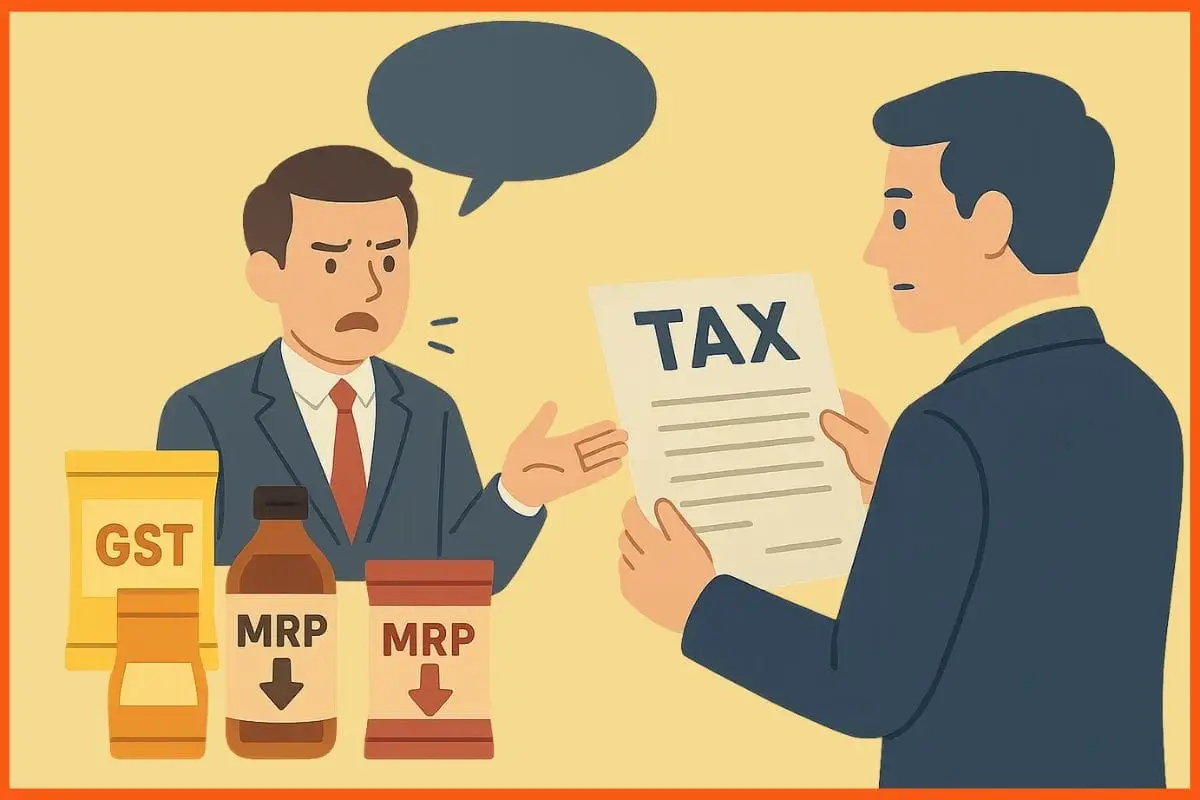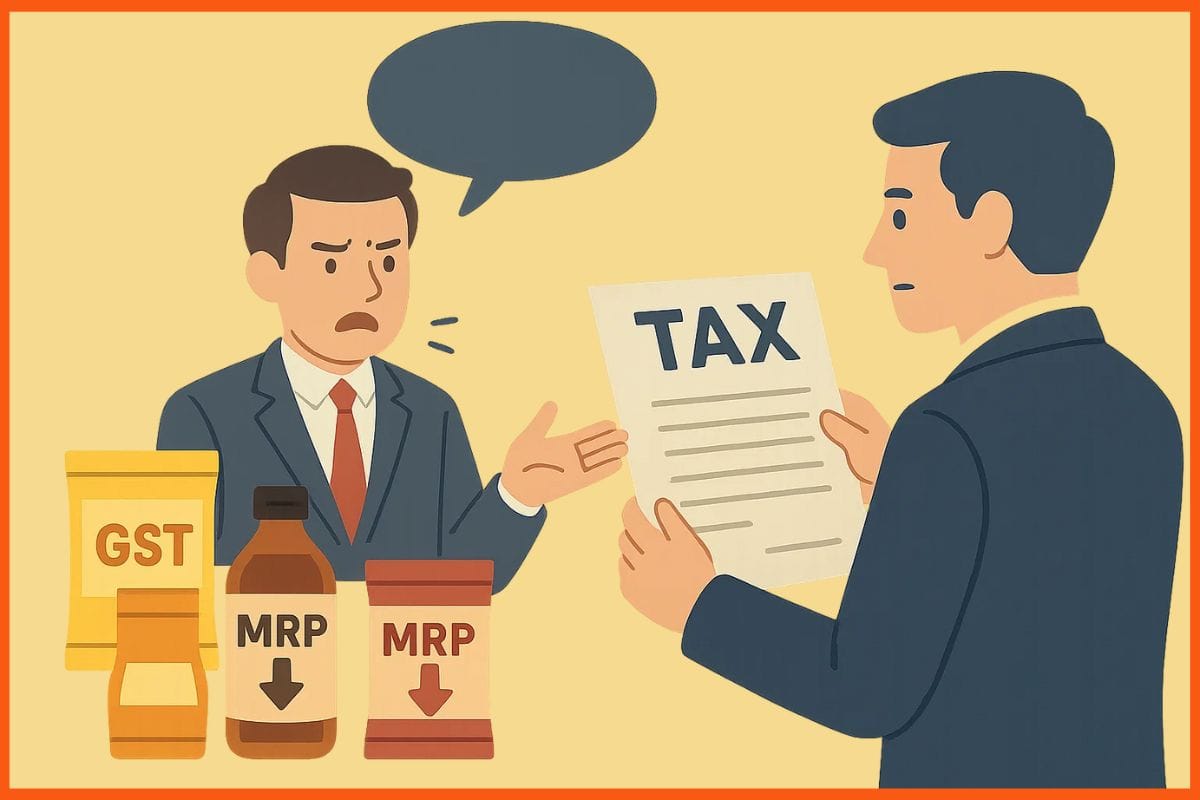
In an effort to lower the cost of everyday necessities for the average person, the Modi administration has redesigned the Goods and Services Tax (GST) system. The GST Council authorised a two-tier rate structure of 5 and 18%, which will go into effect on September 22 as part of this significant change, lowering the tax rates on the majority of necessities.
The goal of the move was to reduce the price of commonplace goods like toothpaste, soap, and biscuits. According to a report by moneycontrol.com, consumer product producers have informed tax authorities that this will not directly result in a decrease in the cost of common small packs, such as INR 20 toothpaste sachets, INR 10 soap bars, or INR 5 biscuit packets.
Why Sudden Price Change Can’t be Implemented?
Indian consumers are very accustomed to these typical price points, according to the media report. Customers may become confused and have their basic purchasing patterns disturbed if the price is lowered to odd figures like INR 9 or INR 18 rather than neat INR 10 or INR 20. Typically, packs of INR 5, 10, or 20 are impulsive purchases that are frequently made without much consideration.
Unexpected price changes may cause confusion or reduce sales. By expanding the number of products in the pack while maintaining the same price, businesses are passing on the GST benefit rather than lowering prices. For instance, extra biscuits may now be included in a pack of biscuits priced at INR 20.
What This Means for Consumers’ Daily Purchases?
Practically speaking, consumers won't notice significant drops in the sticker price of minor necessities. Instead, consumers will discover that some extra biscuits, soap, or toothpaste are now included in the same INR 5, 10, or 20 packets.
This plan maintains known pricing practices while guaranteeing that customers profit from the tax savings. Given customer behaviour patterns and the logistical difficulties associated with shifting price points for mass-market goods, industry analysts think this strategy makes sense.
A larger initiative to streamline India's indirect tax structure and lower consumer costs included the reduction of GST rates and the removal of several tax bands. The increase in product supply at the same price point helps consumers obtain better value for their money, even though the benefit might not be immediately apparent in reduced MRPs.
|
Quick |
|
•Everyday items like toothpaste, soap, and biscuits •Companies told tax authorities that MRPs on •Price points like INR 5/10/20 are deeply ingrained •Instead of lowering MRPs, firms are increasing •No major change in sticker prices; consumers get •Maintaining price points is strategic for |
Original Article
(Disclaimer – This post is auto-fetched from publicly available RSS feeds. Original source: Startuptalky. All rights belong to the respective publisher.)