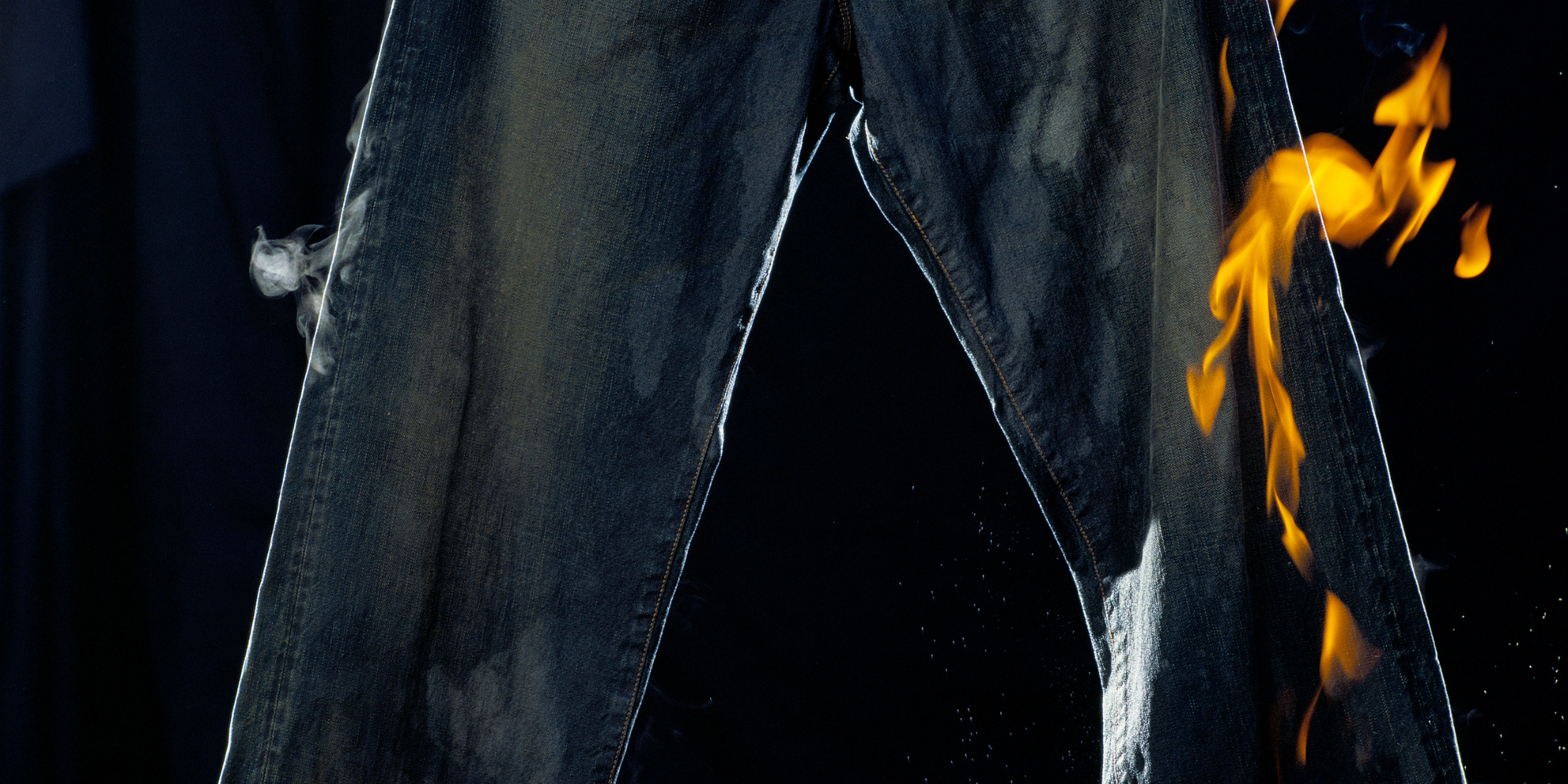
It sounds shocking at first. Why would a brand destroy perfectly usable products instead of selling them?
Yet for decades, some of the world’s biggest luxury houses have done exactly that. Unsold handbags, clothes, and accessories have been burned or destroyed, not because they lacked demand, but because selling them cheaply could damage something far more valuable than inventory.
Their brand.
The logic behind destruction
Luxury does not operate like regular retail. In mass markets, unsold goods are discounted to clear space. In luxury, discounting creates risk. If products become easily accessible through markdowns, the perception of rarity weakens.
Luxury pricing depends on scarcity. Economists often describe this through the Veblen effect, where higher prices increase desirability because they signal status. If a luxury product suddenly becomes widely available at lower prices, it stops being a status symbol.
By destroying excess stock instead of discounting it, brands protect this perception. In simple terms, they sacrifice short-term revenue to preserve long-term prestige.
Preventing the grey market problem
Another concern is the grey market. When unsold luxury products enter unofficial resale channels, they may be sold alongside counterfeits or distributed without brand control. This weakens exclusivity and creates pricing inconsistencies across regions.
Luxury houses rely heavily on controlled distribution. Their value lies not just in the product, but in the environment in which it is sold. Destroying unsold inventory prevents leakage into uncontrolled markets where authenticity, pricing, and presentation cannot be managed.
A notable case
A widely reported example involved Burberry, which admitted to destroying over £28 million worth of unsold clothes and cosmetics in 2018. The company stated that the move was intended to protect its brand from devaluation. The practice sparked global backlash, raising questions about sustainability and ethics.
In response, Burberry later pledged to end product destruction and explore alternatives such as recycling.
Also Read Sustainable fashion in India: Can ethics and scale Coexist?
A changing industry
Public pressure and regulation are now reshaping how luxury handles excess inventory. Policies such as France’s AGEC (Anti-Waste for a Circular Economy) law have banned the destruction of unsold goods, pushing brands toward more sustainable solutions.
Instead of burning products, luxury houses are experimenting with controlled resale channels and partnerships with platforms like The RealReal. This allows them to monetise unsold inventory without diluting brand perception.
The balance between exclusivity and responsibility
Luxury brands exist in a tension between scarcity and sustainability. While exclusivity depends on limiting access, modern consumers now demand transparency and responsible practices. The shift toward recycling, controlled resale, and circular models reflects an attempt to maintain prestige while adapting to new expectations. Destroying inventory may once have been a symbol of control. Today, it is becoming a symbol of transition.
Original Article
(Disclaimer – This post is auto-fetched from publicly available RSS feeds. Original source: Yourstory. All rights belong to the respective publisher.)