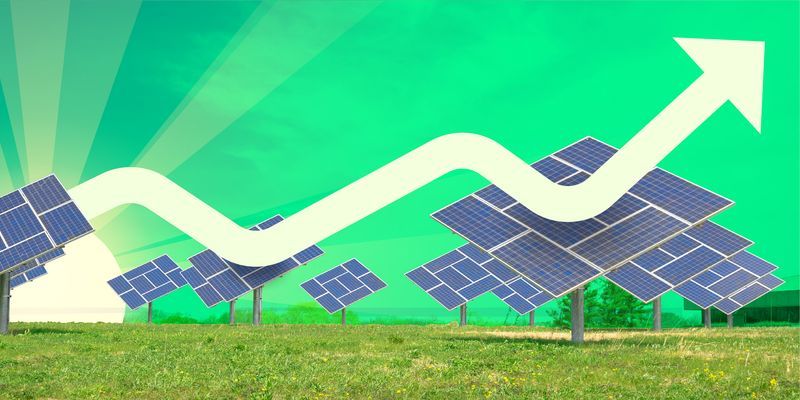
Once used to light fires, solar energy is now widely used for generating electricity through photovoltaic cells or solar panels—an effective solution for the global energy crisis and climate change. An abundant and clean energy source, it reduces the dependence on pollution-causing fossil fuels and lowers carbon footprints in power production while also supporting energy independence in nations that do not have natural reserves of coal.
With the global energy market registering a compound annual growth rate of over 30% in 2024, constituting nearly 600 GW of new solar installations and representing 81% of all new renewable capacity added globally, according to SolarPower Europe, solar cell innovations now aim to further increase energy efficiency.
Reshaping futures in the Global South
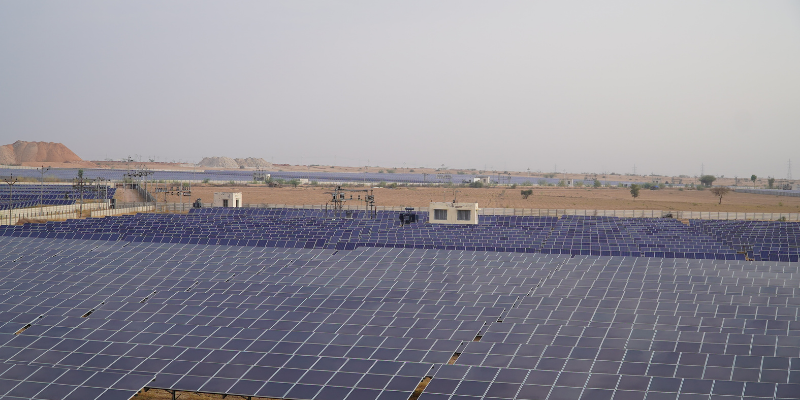
The utility-scale project bids in India are cheaper than coal power generation, mini-grid projects in African villages are bypassing the need for a centralised grid altogether, and the rapid expansion of solar power in Latin America presents a greener economy.
Solar technologies like TOPCon and PERC modules are becoming more efficient and addressing issues like the longevity and intermittency of solar energy with lithium-ion batteries. This presents a strong and cohesive trend of enhancing protection against geopolitical volatility that impacts the import of fossil fuels, directly translating into saved foreign currency and improved trade balances between developed and developing nations.
Impact on macroeconomics
Renewable energy production, especially solar and wind, helped India in avoiding the consumption of 42 million tonnes of coal in the fiscal year 2022-23, a significant portion of which would have been imported, according to a 2023 report by the Council on Energy, Environment, and Water. In the same year, a report by the Centre for Research on Energy and Clean Air and the Institute for Energy Economics and Financial Analysis found that India’s fuel costs were reduced by 4.2 billion dollars due to solar generation in the first six months of 2022. The same report also postulated that seven Asian countries saved billions of dollars in fuel costs in the first half of 2022 due to solar energy.
The idea is quite straightforward: each MWh of power produced using solar panels leads to energy security and savings in foreign exchange. The most recent advancements, such as TOPCon cells and bifaciality, which have a potential efficiency of up to 28% and a lifespan of over 25 years, can contribute to this by reducing land requirements and promoting innovations such as floating solar farms.
Africa leapfrogging with India-led ISA
South-South cooperation through landmark initiatives like the International Solar Alliance (ISA), forged by India for countries lying between the Tropic of Cancer and Capricorn, has been a game-changer for the developing nations, especially in Africa, which are leapfrogging the traditional, costly and slow grid expansion strategy with a local, decentralised renewable energy setup to address electricity access deficits. Solar cell technology breakthroughs like bifaciality and passivation have raised energy efficiency and lowered the cost of solar energy per watt, thus making electricity more easily available.
One of the most striking cases is Nigeria, a nation that has the largest electricity deficit worldwide. More than 80 million people use diesel and kerosene as their main energy sources. With ISA, India granted a $35-million credit line to the country for the installation of solar home systems in rural communities that would directly benefit over 250,000 people. Similarly, in Mali, projects focus on solarising agricultural communities, powering irrigation pumps, and cold storage for produce, and in Rwanda, Indian firms are developing mini-grids that power local shops, salons, and welding workshops.
When a country starts to gain control over its energy supply and reduce dependency on fossil fuel-supported energy grids, it achieves unmatched national sovereignty that positively influences global standing in markets.
Removing key barriers in Latin America
In terms of solar infrastructure and policies, Latin America and the Caribbean have historically lagged behind Asia, Europe, and North America. However, things are changing with the removal of barriers regarding finance and R&D, with the encouragement and support of international alliances like ISA, among others, which are now operating in Brazil and Chile.
Shifting global markets
The economies of many developing countries are predominantly driven by agriculture, and solar cell advancements have opened up new possibilities for these nations to rise economically. Larger irrigation facilities and replacement of animal power with tractors, with increased access to clean and reliable energy, increase their competitiveness and also free up labour for higher-value jobs. Additionally, electricity gives traction to industrial development, especially bolstering progress in the food industry that enhances quality, quantity and market share in global markets.
In summary, resilience building is a direct result of solar cell advancement.
(Gautam Mohanka is Director of Gautam Solar, a solar manufacturing company.)
Edited by Kanishk Singh
(Disclaimer: The views and opinions expressed in this article are those of the author and do not necessarily reflect the views of YourStory.)
Original Article
(Disclaimer – This post is auto-fetched from publicly available RSS feeds. Original source: Yourstory. All rights belong to the respective publisher.)