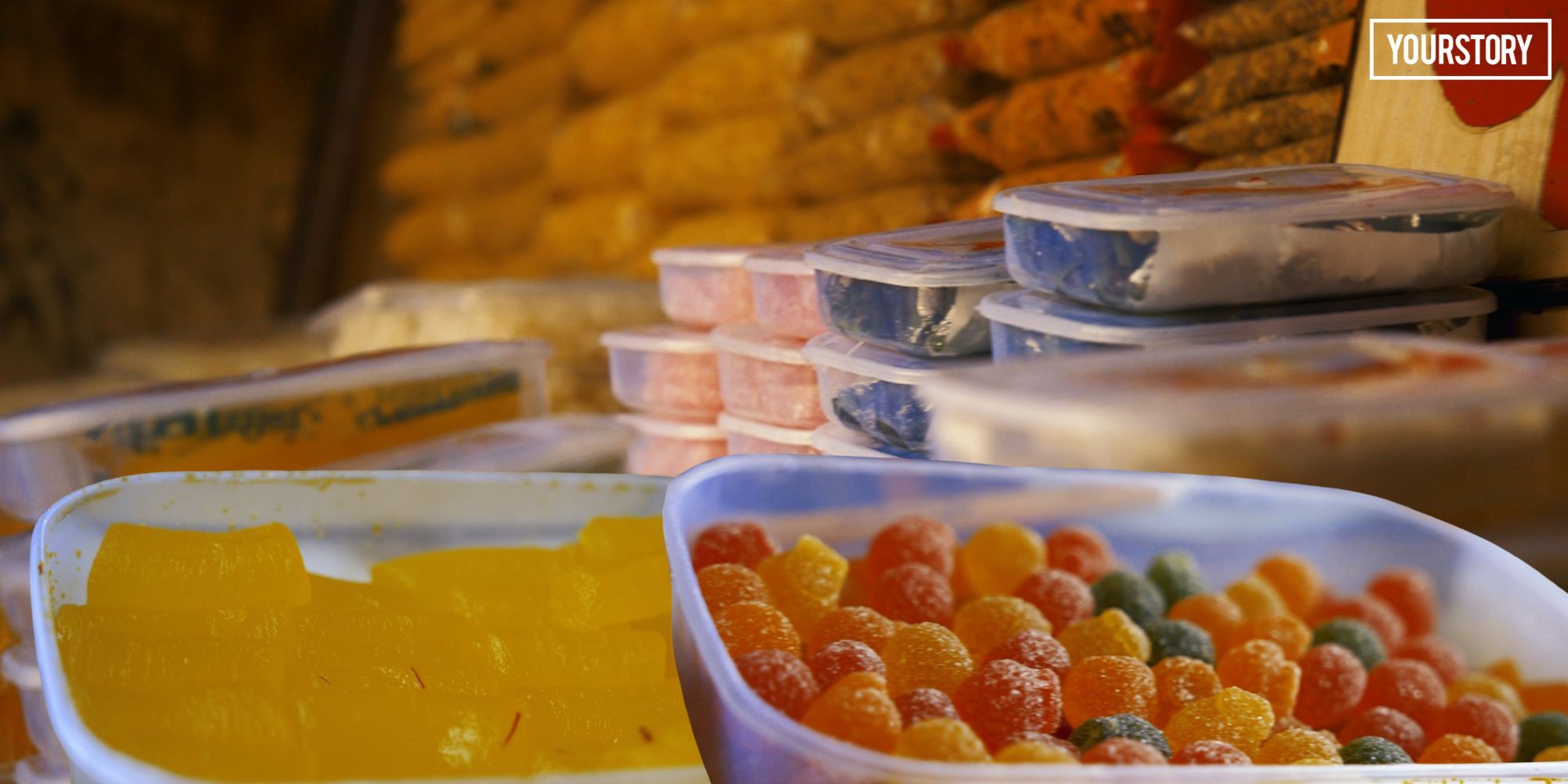
In Agra, petha is closely tied to the city’s culinary identity. The translucent sweet made from ash gourd has become one of Agra’s most recognisable food products, with demand rising during tourism seasons, festivals, and gifting periods such as Holi, Diwali, and Janmashtami. While the sweet is widely associated with the city, the rhythm of its production depends equally on fruit supply, processing capacity, and maintaining consistency across batches.
Behind the retail counters that line Agra’s markets lies a multi-step ecosystem. The trade links fruit suppliers, small processors who prepare the raw ash gourd, and sweet-making units that convert the fruit into finished petha. When fruit procurement, preparation, and cooking align smoothly—especially during festive peaks—the supply chain can keep pace with the surge in demand.
Under Uttar Pradesh’s One District One Product (ODOP) programme, petha has been identified as Agra’s notified district product. Through exhibitions, promotional initiatives, and government-supported platforms, the programme has helped strengthen the visibility of local manufacturers and connect them to wider markets.
From fruit to sweet: A careful multi-stage process
Rajesh Agarwal of Prachin Petha places the sweet firmly within Agra’s traditional food culture while noting that consumer preferences have gradually evolved. Alongside the classic white petha, markets now offer flavoured varieties such as kesar, paan, chocolate, and angoori variants—expanding the category for modern buyers while keeping the core product intact.
The process of making petha begins with ash gourd, which is washed, cut, and peeled. The pieces are shaped according to the type of petha being prepared, and the soft inner portion is removed. These pieces then undergo treatment and repeated washing before being boiled to soften the fruit.
Once the base preparation is complete, the pieces are cooked in sugar syrup where they gradually absorb sweetness and develop the characteristic translucent texture. After cooling, flavouring and finishing steps are introduced depending on the product variant.
“It sounds simple when described, but the process is long and requires careful attention,” Agarwal notes, pointing out that maintaining quality depends on precision at every stage—from fruit preparation to the final syrup cooking.
Supply, seasonality, and market movement
Petha’s strongest demand continues to come from Agra’s retail markets and the gifting economy linked to tourism. Visitors often purchase the sweet as a takeaway from the city, while festive seasons concentrate production into short periods of high output.
During these peak windows, production planning becomes critical. Units must coordinate fruit procurement, intermediate preparation, and sweet-making capacity so that raw materials are processed quickly and efficiently. Packaging and shelf-life management also influence how reliably petha can move through distribution routes beyond the city.
In Agra’s petha trade, timing is as important as taste. When fruit supply, processing steps, and dispatch planning stay aligned during demand peaks, the industry can sustain its reputation as one of the city’s most recognisable culinary traditions.
Original Article
(Disclaimer – This post is auto-fetched from publicly available RSS feeds. Original source: Yourstory. All rights belong to the respective publisher.)