When a brand sets up a showroom, experience centre, or any physical space meant to engage customers, the work is usually split across multiple vendors.
A design agency handles the look. An interior firm executes the build. A systems integrator wires the technology. A software company develops the backend. Each handles a piece of the puzzle, but no one owns the full experience.
When something goes wrong, accountability gets fragmented. When something works, measuring its impact is often an afterthought. Whether the space actually shortens a sales cycle or improves conversions is rarely tracked.
Phygital Studio is trying to change that.
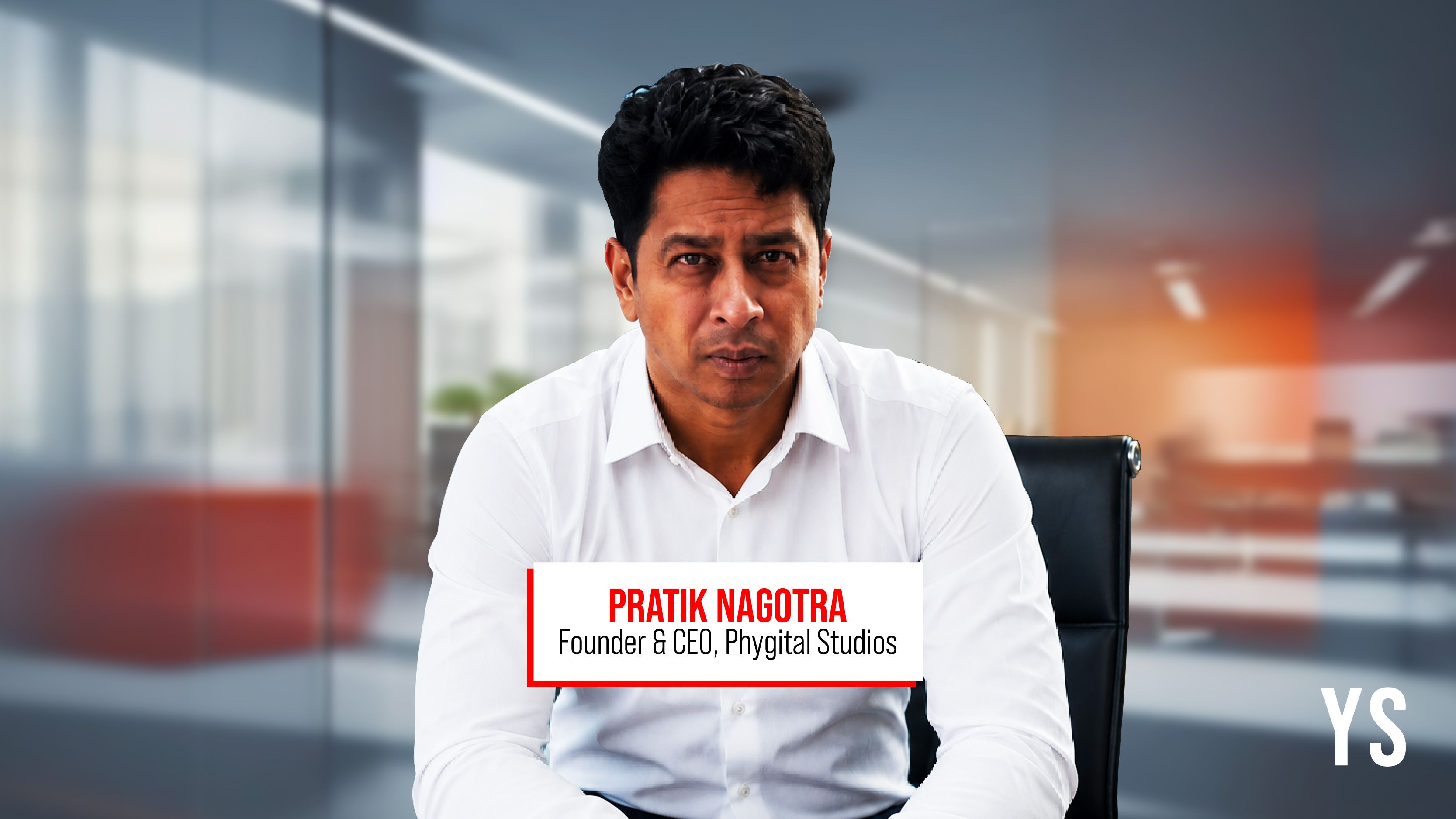
Founded in Bengaluru in 2014 by Pratik Nagotra, the startup builds immersive, interactive physical experiences for brands.
Its work spans experience centres, digital twins, interactive sales tools, projection rooms, and multi-screen installations, all powered by its proprietary platform, Beto.
Nagotra studied mechanical engineering at PES University in Bengaluru before completing a master's in racing engine design at Oxford Brookes University, England. After working at Bosch in Bengaluru, he decided to build something of his own.
The company began with apps and interactive tools for real estate clients. An early project for developer Kalra led to work with Prestige, one of Bengaluru’s largest real estate developers, and marked a turning point.
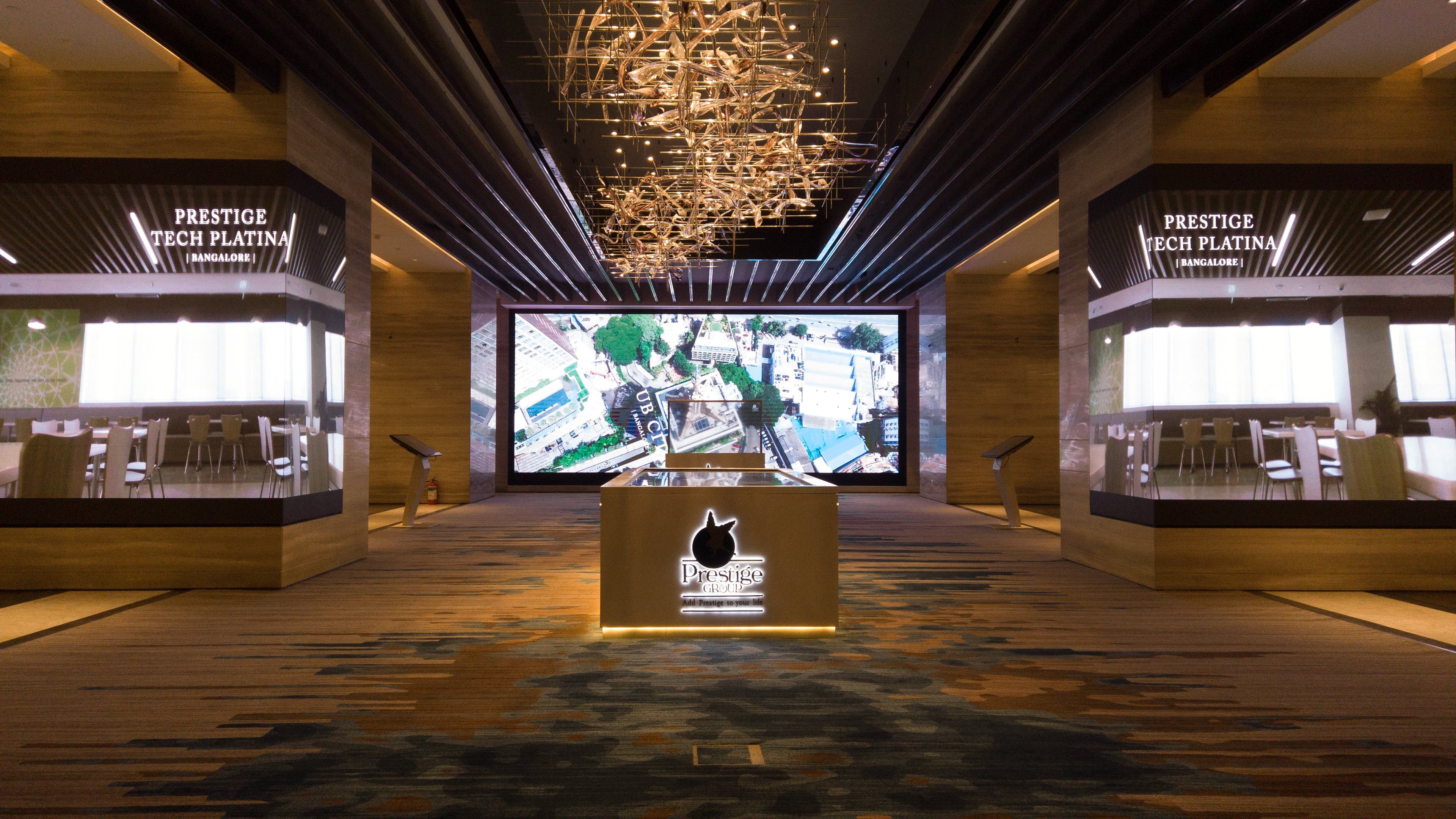
Phygital Studio's experience centre for Prestige Group, Bengaluru.
That experience shaped the startup’s model: one team, one brief, full ownership from design to deployment.
From 2022 onwards, the business began to find its footing.
Inside the portfolio
Phygital Studio's work is divided into four categories, all built on one idea: helping brands deliver a complete, measurable experience in a single interaction.
Experience centres are the most complex. These spaces use interactive screens, projections, and data visualisation to tell a brand’s story. Real estate developers, energy companies, and manufacturers use them.
“You have 30 to 40 minutes with a customer. Everything they need to know has to happen in that room,” Nagotra says.
Digital twins allow clients to showcase projects before they are built. These interactive 3D models let buyers and stakeholders explore spaces virtually. Over time, Nagotra believes this could extend into city-scale dashboards tracking utilities and infrastructure in real time.
Sales presenters are designed for field teams. Instead of brochures, salespeople use interactive applications to show live inventory, floor views, and layouts with real-time visualisation.
Retail experiences sit closest to the consumer. These include immersive installations designed to increase engagement and footfall, such as a jewellery customisation tool for Rings and I, a laminates visualisation tool for Century Group, and a lighting simulator currently in development.
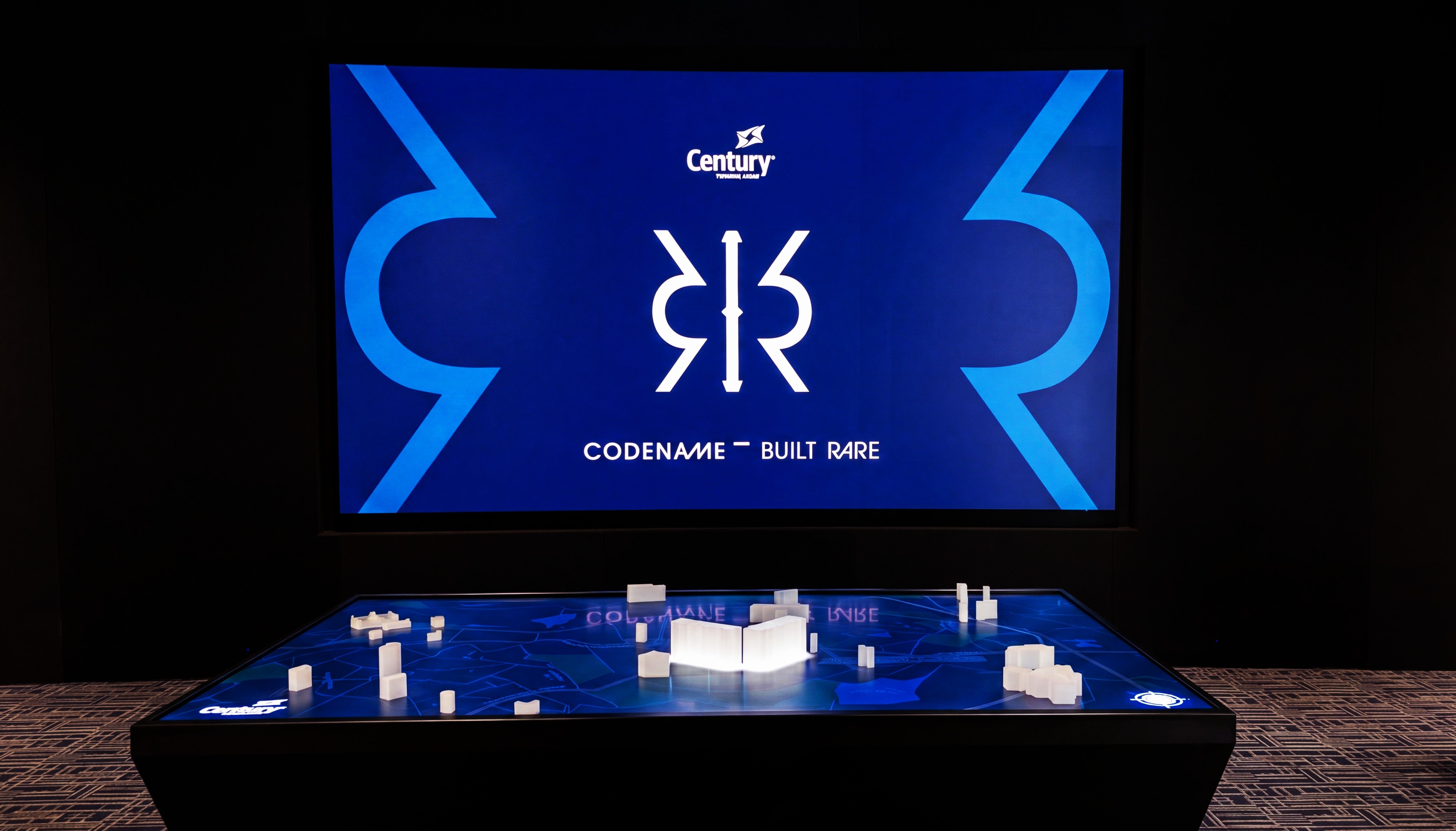
An interactive installation for Century Laminates.
How it works
All experiences run on Beto, Phygital’s proprietary platform. It has three parts: Composer, a visual interface for building experiences without code; a CMS that hosts experiences and assigns them to devices via licence keys; and Player, the application that runs content on screens. The platform currently powers around 2,500 screens nationwide.
Hardware is sourced through factory partnerships with Samsung, Philips, LG, and a, covering LED walls, touchscreens, projection systems, transparent displays, and depth-effect panels.
AI is embedded across operations, from planning and content creation to accounting, at a monthly cost of approximately $1,500. The team uses tools like Claude alongside other AI models.
“Without AI, we’d need a 60-person team; we have 19,” Nagotra says. But he is clear that AI supports software, not hardware, which remains the company’s moat.
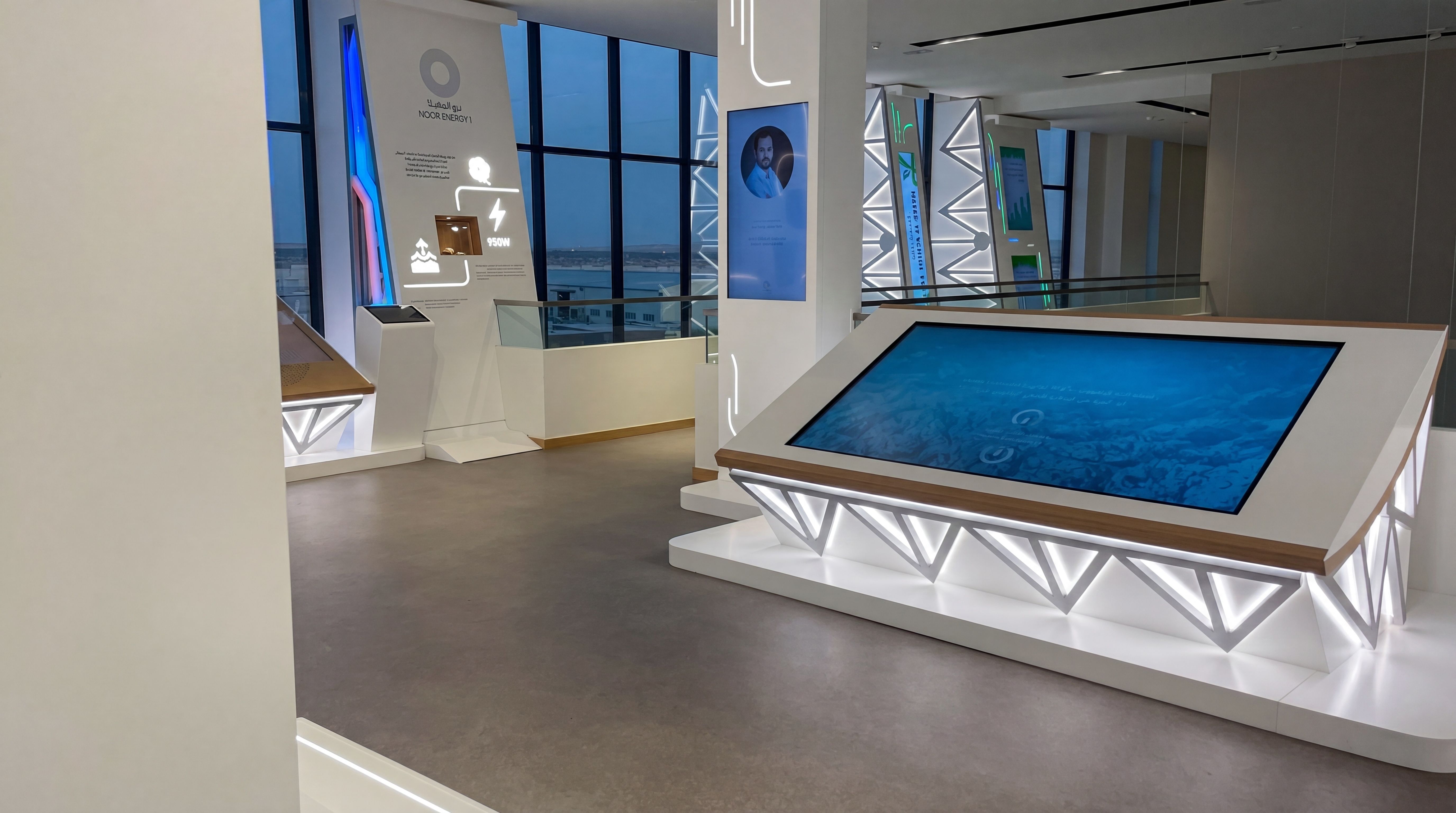
An interactive installation for Noor Energy 1 Visitors Centre.
The business so far
The company operates on a project-based pricing model with a one-time build cost and an annual maintenance fee. Software-related issues are handled remotely, while hardware issues are routed through OEM warranties.
To date, the startup has delivered sales presentation applications for 15 real estate clients and digital twin solutions for eight. Its projects span cities such as Bengaluru, Mumbai, Surat, Jalandhar, Ahmedabad, Hyderabad, and Dubai.
Some of its prominent clients include Adani Realty, Adani Solar, Century Laminates, Deloitte, Rings and I, Royal Enfield, Embassy Developments, Divyasree, Shapoorji and many others.
The company raised early funding from friends and family before COVID and has been bootstrapped and profitable since 2022, with no institutional funding.
Some of its competitors include specialist AR/VR firms like Rubenius and experiential agencies like Pico Group India, which operate in overlapping segments of the market.
The road ahead
The broader market Phygital Studio operates in is expanding rapidly. India's immersive technology sector is projected to grow at a CAGR of around 30% through 2030, reaching $7.8 billion, perGrand View Research.
In 2026, the startup is focusing on large experience centre projects. Three were closed in January and six more in February. “This year we are on track to 30 Crs in revenue and are already profitable for the year in just the first 2 months,” Nagotra says. These projects span across the industry, with real estate being the biggest vertical. Most of them are for existing customers like Embassy, Adani Realty and Adani Solar.
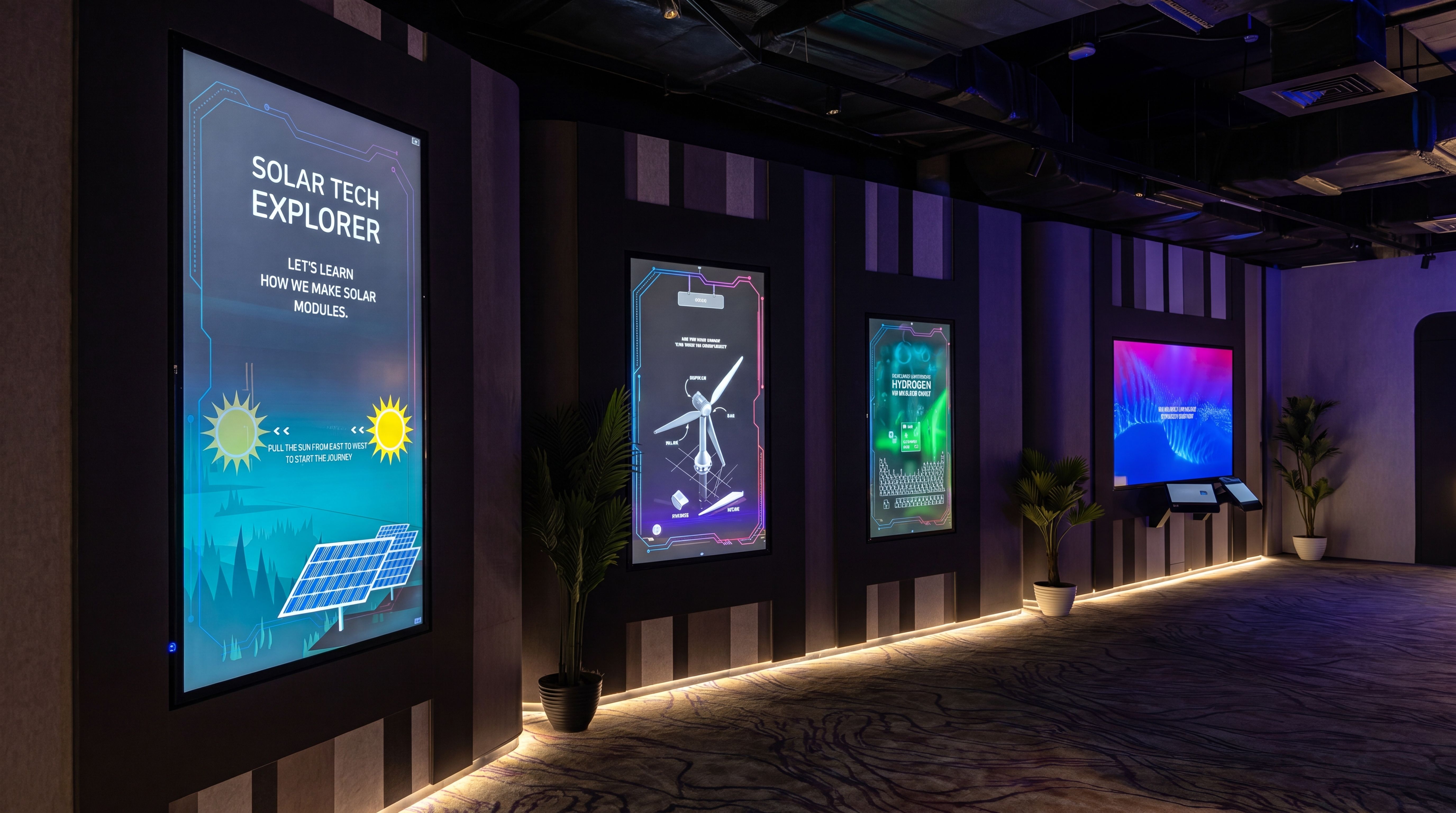
Inside Adani Renewables' Experience Centre at Mundra, built by Phygital Studio.
A key shift is productisation. Tools like the sales presenter and digital twin, earlier built on request, are now being packaged with defined pricing. The digital twin product is expected to evolve further into city-scale systems tracking energy, water, and security, moving from real estate into urban infrastructure intelligence.
In the longer term, the ambition is global. “We don't want to be the best in India. We want to be among the best in the world,” Nagotra says.
Original Article
(Disclaimer – This post is auto-fetched from publicly available RSS feeds. Original source: Yourstory. All rights belong to the respective publisher.)