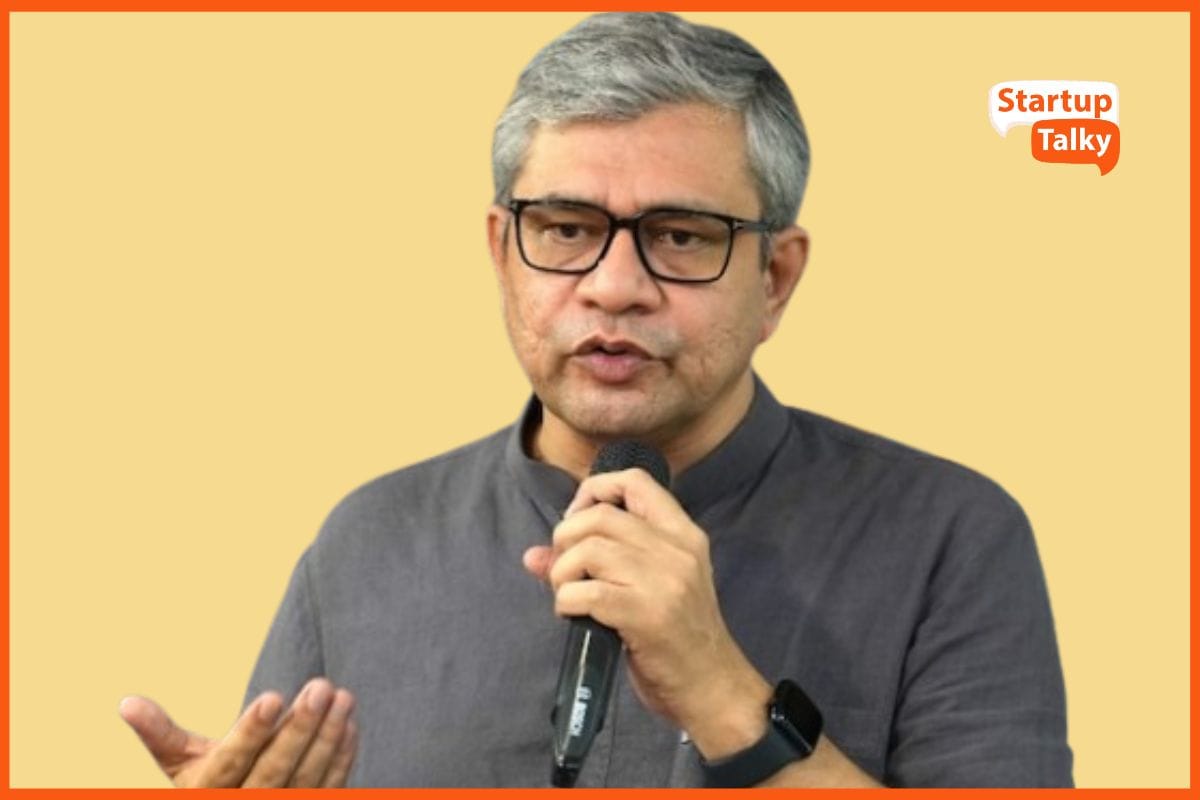
Vaishnaw told a media agency that the government is consulting with business leaders to find the optimal regulatory strategy that won't hamper innovation. This is a really complicated subject, Vaishnaw said. While he acknowledges that the IT Act has allowed for some progress, he believes that a new law is necessary.
Mostly owing to the fact that since the IT Act was passed in the year 2000, the world of artificial intelligence has changed drastically. In addition, the minister emphasised that the government is seeking a middle ground between encouraging AI innovation and guaranteeing user safety. Consequently, it is worth noting that talks are currently taking place with business leaders.
Worldwide Governments are Battling AI Fever
Minister’s remarks arrive as governments across the globe are attempting to address the difficulties brought about by artificial intelligence. From cybersecurity threats to deepfakes and disinformation, these complex problems span a broad spectrum. This is happening at the same time that Claude Mythos, Anthropic's AI model with a focus on cybersecurity, has aroused worldwide alarm about potential exploitation.
Its capacity to quickly identify software flaws is crucial. Project Glasswing, which has been extended to about 150 organisations in over 15 countries, has granted access to Mythos to India. Mythos, developed to find software vulnerabilities before they can be used by malicious actors, assisted early adopters in discovering over 10,000 critical security holes by the end of May, as reported by Anthropic.
Indian Government Putting Strict Scanner on AI Content
Rules pertaining to AI-generated content have already been tightened by the Indian government. It updated its IT policies earlier this year to mandate that internet platforms detect and delete deepfakes and other AI-generated content. Platforms are now required to remove such content within three hours of a court or competent authority's order, according to the updated regulations.
In order for people to quickly identify AI-generated content, the government has also suggested required labels. Vaishnaw denied claims that the government was trying to censor legal content in response to a question about content takedown. Deepfakes and other forms of AI-generated disinformation are the exclusive targets of enforcement actions, he added.
|
Some Interesting Facts of the Story |
|
1.Many countries are exploring AI-specific laws 2.AI governance is increasingly being viewed as 3.Deepfake technology has become one of the |
Anthropic Urges Temporary Halt to Global AI Development
Anthropic, an AI firm, proposed a worldwide pause from developing superintelligence on June 4, 2026. The newest models are starting to exhibit symptoms that they could get away from human control; thus, this step is necessary. The San Francisco-based firm that creates the Claude AI models stated in a research paper that it would probably be beneficial for there to be a global slowdown in cutting-edge AI development.
Additionally, it cautioned that competitors would swiftly catch up if even a single company halted operations. Having the power to temporarily halt or slow down frontier AI development is something the corporation thinks will be beneficial for the planet. This will allow study into social structures and alignment to progress at the same rate as technology.
|
Quick Shots |
|
•Ashwini Vaishnaw said India needs a new legal •The government is consulting industry leaders to •Vaishnaw emphasized the need for a regulatory •The IT Act was enacted in 2000, long before |
Original Article
(Disclaimer – This post is auto-fetched from publicly available RSS feeds. Original source: Startuptalky. All rights belong to the respective publisher.)