Synopsis: A recycling company plans to scale installed capacity from 3.40 lakh TPA to over 7 lakh TPA by FY28, supported by ₹1,225 crore capex and new segments like lithium-ion and rubber recycling. Management targets 25%+ volume growth and aims to increase non-lead business contribution to 30%.
India’s Metals & Mining sector fuels infrastructure and manufacturing growth. In FY26 (April-October), mineral production value hit Rs. 92,846 crore (US$ 10.84 billion), up from Rs. 79,719 crore last year, signalling robust demand. Contributing 2.2-3% to GDP, it eyes expansion via policy reforms and rising steel/zinc needs amid urbanisation.
Gravita India’s shares closed at ₹1,506.25, up slightly by 0.07% from the previous close of ₹1,505.20, giving the company a market capitalisation of about ₹11,117.40 crore. Despite the minor decline in the current session, the stock has delivered an impressive return of around 1,305% over the past five years.
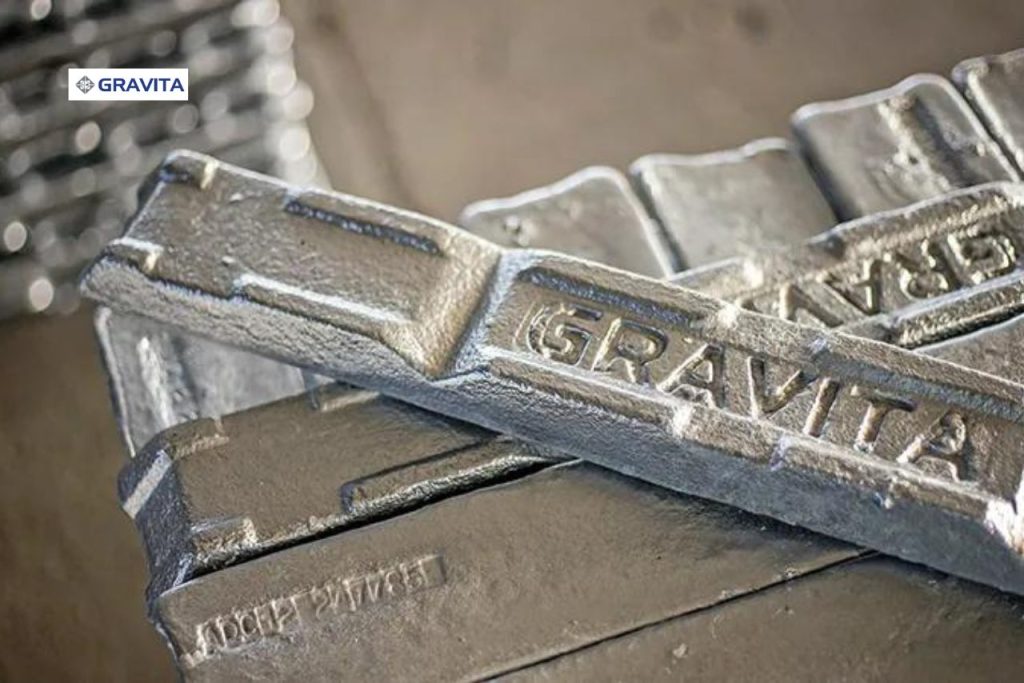
Gravita India Ltd is a leading recycling company specialising in lead, aluminium, and plastic recycling. The company converts industrial waste and used batteries into value-added products used in automotive and manufacturing industries, with operations across India, Europe, and other international markets, focusing on sustainable resource management.
Expansion Roadmap
Gravita India currently operates with an installed capacity of around 3.40 lakh TPA and aims to scale it to over 7 lakh TPA by FY28. In the near term, the company plans to add about 1.25 lakh TPA of lead capacity through expansions at Mundra and Jaipur, both targeted for completion by Q4 FY26.
However, the ramp-up of these facilities depends mainly on regulatory approvals rather than technical readiness. Management noted that the plants are already installed, but delays are linked to pending state-level consent-to-operate licenses. Meanwhile, overseas facilities continue to operate at around 65% utilization due to scrap availability and shifting material flows to India.
Gravita India plans a total capex of ₹1,225 crore through FY28, with around ₹850 crore allocated to expand existing verticals and the remainder for new segments like Li-ion, paper, and steel. The company has already spent about ₹125 crore in 9M FY26 and expects to exceed ₹200 crore by Q4, funding expansion through internal accruals, QIP proceeds, and limited debt.
New Verticals
Further, Gravita India is expanding into new recycling verticals to diversify its business. The company plans to commission its rubber recycling project at Mundra by Q1 FY27, with revenue expected from Q2 FY27. Meanwhile, its Romanian rubber operations generated around ₹3.5 crore in the recent quarter, and management plans to scale the segment further in the coming periods.
At the same time, the company is preparing to enter the lithium-ion battery recycling segment, with operations expected to begin soon after receiving consent-to-operate approvals. Additionally, Gravita Netherlands BV increased its stake in Gravita Europe S.R.L from 80% to 95% by acquiring 3.5 lakh shares, while management has also indicated copper as a potential future recycling vertical.
Sales & Procurement Mix
Gravita India’s procurement mix in Q3 remained skewed toward imports, with around 25% sourced domestically and 75% imported, mainly due to raw material stocking during capacity expansion. However, management expects this to normalise to around 45% domestic and 55% imported once the new capacities become operational and supply dynamics stabilise.
Meanwhile, geographically, about 72% of revenue and 76% of profit came from India, while 28% revenue and 24% profit were generated overseas. The company prefers selling around 70% to OEMs and 30% to traders for better realisations. Additionally, Gravita has applied for an LME license, which could allow exchange-based sales if required.
Outlook
Gravita India has reiterated its Vision 2029 targets, aiming for over 25% volume CAGR and more than 35% growth in profitability. The company also targets ROIC above 25% while increasing the share of non-lead businesses to 30% of revenue. Additionally, management expects 30% renewable energy usage and a 10% reduction in energy intensity, along with ₹0.5–₹0.75 per kg margin improvement by FY28.
Overall, Gravita India’s expansion plans and entry into new recycling segments could strengthen its long-term growth outlook. With capacity expected to double by FY28 and investments in lithium-ion, rubber, and other verticals, the company aims to diversify revenue streams while improving margins, operational efficiency, and sustainability in the coming years.
Disclaimer: The views and investment tips expressed by investment experts/broking houses/rating agencies on tradebrains.in are their own, and not that of the website or its management. Investing in equities poses a risk of financial losses. Investors must therefore exercise due caution while investing or trading in stocks. Trade Brains Technologies Private Limited or the author are not liable for any losses caused as a result of the decision based on this article. Please consult your investment advisor before investing.
The post Gravita India: Can New Recycling Segments and Capacity Expansion Drive the Next Growth Phase? appeared first on Trade Brains.
Original Article
(Disclaimer – This post is auto-fetched from publicly available RSS feeds. Original source: Tradebrains. All rights belong to the respective publisher.)